TUESDAY, JUNE 9, 2026 SEMINAR SESSIONS
Resistance Is Data: Leading Change in Jails and Sheriff’s Departments
8:00 AM TO 9:00 AM | ROOM 205 | LEADERSHIP
Learning Outcome: Participants will leave with a reframed understanding of staff resistance as diagnostic information — and a set of questions for decoding what it’s actually communicating.
Most change initiatives that die on the jail floor or in the field send warning signals first — in the pushback from deputies, the silence at roll call, the grumbling in the break room — that are managed instead of heard. This session challenges sheriffs and jail administrators to treat staff resistance as operational intelligence. Through scenario-based discussion, participants will explore what resistance typically signals, why silent compliance among sworn and civilian staff is more dangerous than vocal pushback, and how to turn your most vocal critics into co-designers of workable solutions.
PRESENTER: Caleb Asbridge, Project Director, The Moss Group
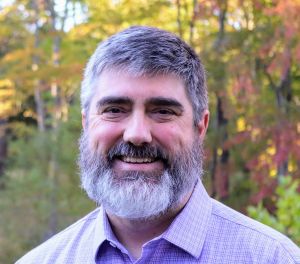 Caleb Asbridge brings more than 25 years of experience in justice and corrections, with roots that run from direct facility leadership to statewide policy reform. As a former Facility Superintendent and Assistant Director of Program Services with the Kentucky Department of Juvenile Justice, he knows firsthand what it means to lead staff through change in a high-stakes, high-resistance environment—where culture is stubborn, compliance is non-negotiable, and the margin for error is razor thin.
Now serving as Project Director at The Moss Group, a nationally recognized consulting firm specializing in justice and corrections, Caleb works with sheriffs’ offices, jail administrators, and state agencies across the country to strengthen organizational culture, build leadership capacity, and navigate the human side of institutional change. His work has reached practitioners in more than 48 states, territories, and tribal nations.
Caleb is a sought-after presenter at national conferences on leadership, compliance, and organizational culture—consistently translating research and theory into practical tools that corrections professionals can use the next day. He holds a Master of Public Administration and a Bachelor of Arts in Government, Economics, and Philosophy from Western Kentucky University.
I.G.N.I.T.E. and G.E.D. Partnerships: Advancing Educational Access in Corrections
8:00 AM TO 9:00 AM | ROOM 206 | JAIL OPERATIONS
Sheriff Sam Hulse and team will discuss how they successfully integrated IGNITE into their facility. They will talk about their successes, setbacks, and the long-term strategies required to shift jail culture from incarceration to education.
PRESENTERS: Sheriff Sam Hulse, Bonneville County Sheriffs’ Office, Anne Johnson, GED Program Administrator, Lieutenant Brian Johnson, Bonneville County Sheriff’s Office
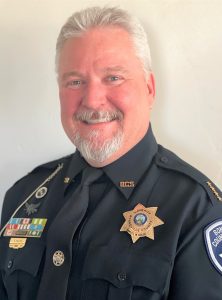 Sheriff Samuel Hulse is the current Sheriff of Bonneville County. He has worked for Bonneville County for the past 27 years and has 33 years of law enforcement experience. Bonneville County is a full-service public safety agency with patrol, jail, civil, driver’s license, and records functions, as well as special operation teams that include S.W.A.T., Dive, and Search and Rescue. Sheriff Hulse has experience in Patrol, Narcotics, Special Operations, and Emergency Medical Technician work. In VII Behavioral Health, the Behavioral Health Crisis Center of East Idaho, Region VII Crisis Intervention Team, DIGB6 (District 6 Emergency Communications Interoperable Governance Board), Behavioral Health Crisis Center of East Idaho Advisory Board, Idaho State Public Communication Commission, and the Idaho Behavioral Health Council Advisory Board.
Sheriff Hulse and his wife, Michelle, have been married for 35 years. They have four sons, five granddaughters, and one grandson.
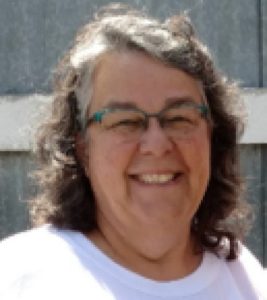 Anne Johnson is a Navy veteran and GED Program Administrator at a Domestic Violence and Sexual Assault Center, with more than 25 years of experience working with non-traditional learners. She has managed Safe and Sober Housing for over two decades, providing intensive case management in collaboration with law enforcement, probation, child protective services, CASA, treatment courts, and community agencies. Anne founded and continues to lead a grassroots, highly flexible GED program that supports students facing barriers such as trauma, bullying, work constraints, substance use, and mental health challenges.
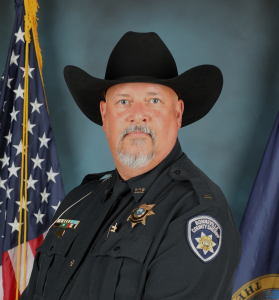 Lieutenant Brian Johnson has served with the Sheriff’s Office for 27 years and currently oversees the IGNITE Program. In this role, he focuses on accountability, rehabilitation, and preparing individuals for successful reentry into the community. As part of IGNITE, he and his wife volunteer to teach a Relationships and Communication class, helping participants build healthier connections and improve their relationships. He has been married for 32 years and is the father of four children and the grandfather of four grandchildren.
Private Sector as a Force Multiplier in Anti-Illicit Trade Efforts: Examples from the Real World
8:00 AM TO 9:00 AM | ROOM 207 | CASE STUDIES
Illicit trade endangers consumers by exposing them to inferior, noncompliant products, deprives governments of much-needed tax revenues, fuels criminal organizations while facilitating other serious crimes, and harms legitimate businesses. Collaboration across the public and private sectors is critical to fighting illicit trade, protecting communities, consumers, and industry, and upholding public security. Using PMI U.S.’s lessons from actual investigations with local, state, and federal law enforcement partners as case studies, this session will provide attendees with real-world best practices for how the private sector can support law enforcement’s anti-illicit trade actions. The session will highlight the importance of collaboration and emphasize the value of information sharing, as well as the private sector’s role in engaging with and assisting law enforcement. Topics addressed will include private sector investigations, lead generation, technical support to law enforcement, and assistance during prosecution/litigation.
PRESENTER: Dr. Jay Kennedy, Head of Policy and Engagement, ITP, PMI U.S.
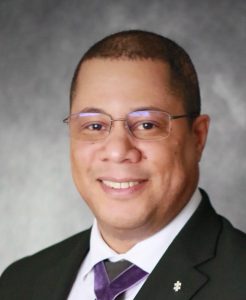 Dr. Jay Kennedy is the Head of Policy and Engagement, Illicit Trade Prevention – US for Philip Morris International (PMI), where he leads the United to Safeguard America from Illegal Trade (USA-IT) coalition, a public-private sector initiative to raise awareness on the harms of illegal trade. Jay has over a decade of experience in the brand and intellectual property protection industry and is globally recognized as a subject-matter expert in anti-counterfeiting. He has written extensively on counterfeiting and other crimes against business, publishing numerous empirical articles and white papers, and having served as a content contributor for Forbes.com. Dr. Kennedy is a co-author of the book “White Collar Crime: An Opportunity Perspective”, one of the leading white-collar crime textbooks. His work has been cited in Senate hearings on counterfeiting and organized retail crime, and he has testified before Congress on consumer fraud during the COVID-19 pandemic. Prior to his current role with PMI, Jay was Head of Anti-Counterfeiting External Relational for Amazon and a professor at Michigan State University where he served as Assistant Director, Research at the Center for Anti-Counterfeiting and Product Protection.
From Crime Scenes to Critical Care: Maximizing the Impact of your Medical Support Unit for your Office and Community
8:00 AM TO 9:00 AM | ROOM 208 | FUTURE OF LAW ENFORCEMENT
Law enforcement agencies increasingly recognize the value of integrating medical capabilities directly into their operational framework. This presentation explores the development, structure, and operational impact of the Medical Support Unit within the Collin County Sheriff’s Office. Drawing on real-world experiences, attendees will learn how a well-designed medical team can enhance officer safety, improve outcomes during critical incidents, and expand community service capabilities. The session will highlight practical strategies for building or expanding a medical support unit, integrating it into tactical and routine operations, and maximizing its value during incidents ranging from crime scenes and tactical operations to community medical needs and disaster response.
PRESENTER: Dr. Keegan Bradley, Assistant Medical Director, Collin County Sheriff’s Office
 Dr. Keegan Bradley is a board-certified Emergency Physician and nationally recognized leader in tactical, operational, and disaster medicine with extensive experience supporting law enforcement agencies and large-scale public safety operations. He currently serves as Assistant Medical Director and sworn deputy with the Collin County Sheriff’s Office, where he helped develop and implement the agency’s medical support program, provides operational medical support during law enforcement missions, and delivers training and medical guidance to deputies and partner agencies.
In addition to his law enforcement role, Dr. Bradley serves as EMS Medical Director for multiple Fire/EMS systems across Texas, including Arlington Fire/EMS & AMR, McKinney Fire Rescue, and AMR Collin and Tarrant Counties. His operational background includes service as Medical Team Manager for FEMA Texas A&M Task Force 1 Urban Search and Rescue Team, Medical Director for Texas Emergency Medical Task Force Region 2, and instructor for the Drug Enforcement Administration medic program. He has also supported high-profile security and special event operations, including AT&T Stadium events and FIFA World Cup medical preparedness planning.
Dr. Bradley completed fellowships in EMS and Operational/Disaster Medicine at Carolinas Medical Center and is board-certified in EMS. He is a Fellow of the American College of Emergency Physicians (FACEP), the Academy of Emergency Medical Services (FAEMS), and the Academy of Wilderness Medicine (FAWM). He has authored and presented extensively on tactical medicine, disaster response, operational readiness, and the integration of medical support into law enforcement operations.
Use of Force – Leadership, Analysis, and Review
8:00 AM TO 9:00 AM | ROOM 209 | LEADERSHIP
Sheriffs and agency leaders face increasing responsibility to ensure use-of-force incidents are properly analyzed, documented, and reviewed in a highly scrutinized environment. Effective leadership requires an understanding of human performance, legal standards, and measurable evaluation methods to ensure accurate analysis and defensible outcomes.
This presentation provides practical, leadership-level frameworks for reviewing use-of-force incidents, strengthening documentation, and improving training and supervisory oversight. Participants will learn how to identify critical performance indicators, apply structured review processes, and implement measurable strategies that enhance accountability, reduce liability, and support legally defensible leadership decisions.
PRESENTER: Lieutenant Kevin F. Dillon (ret.), Principal, LOCKUP Police Training
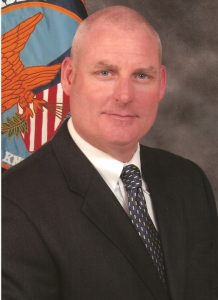 Lieutenant Kevin F. Dillon (ret.) is a nationally recognized law enforcement and civilian speaker and trainer. A 25-year veteran law enforcement officer who retired from the Wethersfield, CT Police Dept., a suburb of Hartford, CT. During his distinguished career, Lt. Dillon served in various leadership roles, including Detective Commander, Patrol Commander, and Training Supervisor. A SWAT team member since 1993, he spent six years as Team Leader and his final three years as Commander of the 35-member Capitol Region Emergency Services Team (CREST).
- Force Science Institute Certification for the analysis of use-of-force
- Institute for the Prevention of In-Custody Deaths Certification (Use of Force and Agitated States).
- Litigation Specialist Certification from the Americans for Effective Law Enforcement (AELE).
- Expert Witness Symposium -Americans for Effective Law Enforcement (AELE).
Since 1988, Lt. Dillon has been an instructor in police practices and police defensive tactics. He is the developer of the L.O.C.K.U.P.® Police Training System (Law Officers Combat Kinetics, Unarmed Panoply), a comprehensive, proven, practice-based program that emphasizes gross motor skills to reduce injuries to officers and citizens. In 2004, L.O.C.K.U.P.® was adopted as the state-certified defensive tactics system for all Connecticut police academies and has since been implemented in over 20 states and internationally in Canada, France, Switzerland, Saipan, and Belgium.
In 2007, Lt. Dillon developed a second nationally recognized program, L.E.A.D.S. ™ (Law Enforcement Active De-escalation Strategies). This curriculum, approved by the U.S. Department of Justice, has been delivered to officers in over 37 states, from Alaska to Hawaii, and was recently researched by Leon County, FL, and North Florida University. Research revealed the retainability of officers trained and effectively used in the field.
Lt. Dillon has been featured on CNN, NPR, and other media outlets. He is an expert contributor to PoliceOne.com, Police Magazine, and In the Line of Duty, and has authored the widely acclaimed video/DVD series Police Combat Tactics Volumes 1 and 2, based on L.O.C.K.U.P.® principles. In 2005, Lt. Dillon was inducted into the United States Martial Arts Hall of Fame for the development of the L.O.C.K.U.P. ® Arrest and Control System.
In 2022, Lt. Dillon was honored with the FBI National Academy Associates Science and Innovation Award for his development and implementation of the L.O.C.K.U.P.® Arrest and Control System and the L.E.A.D.S.™ De-escalation Strategies program. These programs stand out for their emphasis on data-driven decision-making, the collection and analysis of use-of-force incidents, and actionable needs assessments to improve officer performance and accountability. The L.E.A.D.S.™ curriculum is fully integrated with L.O.C.K.U.P.® to address circumstantial, contextual, and situational engagements.
A highly sought-after speaker and trainer, Lt. Dillon has provided training and consultation on use-of-force programs across North America and Europe. He has presented at numerous high-profile conferences and organizations, including:
- International Association of Chiefs of Police (IACP)
- FBI National Academy Chapters / LEEDA
- FBI Command College
- Commission on Accreditation for Law Enforcement Agencies (CALEA®)
- FBI National Academy Associates FBI NA
- DLG Use of Force Summit
Lt. Dillon is the founder and principal of KFD Training & Consultation LLC, which has provided premier training and consultation services for law enforcement, corrections, and civilian professionals for over 20 years. His companies, LockupPoliceTraining.com and DiffusionStrategies.com, are dedicated to delivering innovative, research-based training with proven practices to elevate officer performance, accountability, and public safety.
Medicaid in Corrections: Insights from the Field
8:00 AM TO 9:00 AM | ROOM 210 | JAIL OPERATIONS
In this session, the Health and Reentry Project (HARP) will facilitate a panel highlighting ongoing changes to Medicaid that significantly impact jails across the country, including recent statutory changes. It will then turn to a facilitated discussion with Sheriffs and jail leadership who will identify how their facilities have met new requirements and how HARP’s work has supported their efforts. This conversation will focus on the operational realities of implementing these changes and their potential public safety implications.
The session will begin with a HARP overview of the state of Medicaid in corrections, including new Medicaid suspension requirements for jails and updates on ongoing work on 1115 reentry waivers and youth continuity-of-care requirements. Then, the panelists (to be determined) will discuss their experiences operationalizing changes to meet these new requirements, how these changes have improved public safety and health outcomes, and the operational importance of these changes for their jails. Where relevant, panelists will discuss how support from HARP to their agencies helped them succeed. The panelist conversation will be followed by questions and answers.
HARP is a nonprofit organization that provides no-cost technical assistance to jails across the county to leverage better Medicaid to support reentry.
PRESENTERS: David Ryan, Senior Director of Criminal Justice Initiatives, Health and Reentry Project; Kevin Cobb, Executive Director, Louisiana Sheriff’s Association; Captain Maurice Bostick, St. Charles Parish Sheriff’s Office
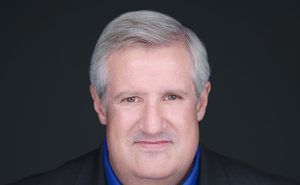 David Ryan is HARP’s Senior Director of Criminal Justice Initiatives. David has over fifteen years of experience working on policy issues at the intersection of health and justice. Before joining the Health and Reentry Project, David spent over a decade at the Middlesex Sheriff’s Office, leading policy priorities to advance changes to the Medicaid Inmate Exclusion Policy (MIEP). He also spent five years working for Senator Edward M. Kennedy in Washington, DC. His core responsibilities while on staff included promoting the Senator’s legislative agenda through coordinated outreach to federal, state, and local agencies and organizations. David holds a BA in Government from Colby College and a JD from Suffolk University Law School.
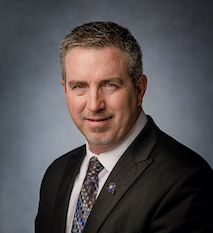 Sheriff Kevin Cobb was born and raised in Franklin Parish, Louisiana. He holds an Associate’s Degree in Accounting, a Bachelor of Science Degree in Finance from Louisiana Tech, and a Master of Business Administration degree from ULM. He is also a graduate of the North Delta Law Enforcement Training Academy, where he received his Basic POST Certification, and the FBI National Academy, 220th Session. In 2024, Cobb was inducted into the Louisiana Justice Hall of Fame, a prestigious honor presented to highly distinguished “Heroes in Justice” by the Department of Public Safety and Corrections and the Louisiana State Penitentiary Museum Foundation.
Cobb served the Franklin Parish Sheriff’s Office for more than 32 years, including serving as Franklin Parish Sheriff from 2012 to 2025. During his tenure, he served as President of the Louisiana Sheriffs’ Association in 2022, becoming the first sheriff from Franklin Parish to hold that office. In April 2025, he was appointed Executive Director of the Louisiana Sheriffs’ Association, representing Louisiana’s 64 sheriffs. He is the fifth executive director to hold the top position since the association’s inception in 1938. Sheriff Cobb is married to Mrs. Tanya Riser Cobb, who works as a Nurse Consultant at LDH. His daughter, Hannah Cobb, is an attorney, and his son, Baylor Cobb, is currently a student at LSU Law.
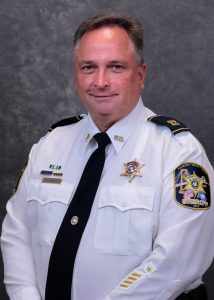 Captain Maurice Bostick has more than 38 years of law enforcement experience, including service as both a police officer and a deputy sheriff. He began his career in 1978 with the New Orleans Police Department, first as a Reserve Officer and later as a full-time officer after completing the NOPD Reserve and Regular Police Academy. During his time with NOPD, he served as a Patrol Officer, Field Training Officer, Narcotics Detective, Rape Investigations Detective, Patrol Sergeant, and Detective Sergeant in Rape Investigations until 1990. He later practiced maritime law in New Orleans for 22 years.
After moving to St. Charles Parish in 1989, Captain Bostick joined the St. Charles Parish Sheriff’s Office Reserves in 2008 after completing the Reserve Academy. In 2012, he joined the Sheriff’s Office as a full-time deputy and completed the regular Training Academy. Since then, he has served in several roles, including Correctional Officer, Special Operations Officer in Corrections, Legal Liaison, Legal Counsel, certified Academy Instructor, Crisis/Hostage Negotiator, Public Safety and Rescue Diver, and Director of Business and Legal Affairs. He later rose to the rank of Captain in the Executive Office.
In 2016, Sheriff Greg Champagne appointed Captain Bostick as Director of Business and Legal Affairs. In this role, he manages the legal and business affairs of the Sheriff’s Office and assists with the Finance Department’s day-to-day operations.
Captain Bostick is a 1984 cum laude graduate of Tulane University in New Orleans, where he earned a bachelor’s degree in Criminal Justice. He earned his Juris Doctor degree from Loyola University School of Law in 1990 and is licensed to practice law before the United States Supreme Court. He has also completed several specialized training programs, including the F.B.I. Hostage Negotiation Course, Public Agency Training Council Hostage Negotiator Courses Phases I-III, F.B.I., and P.O.S.T. Law Enforcement Instructor Courses, and Public Safety and Rescue Diver training.
Captain Bostick is affiliated with several professional organizations, including the Legal Affairs Committee of the National Sheriffs’ Association, the Louisiana and St. Charles Parish Bar Associations, the International Association of Hostage Negotiators, the Louisiana Association of Hostage Negotiators, the Louisiana Sheriffs’ Association, and the St. Charles Parish Fraternal Order of Police.
Captain Bostick and his wife, Vicki, reside in Destrehan, Louisiana. Together, they have three children, four granddaughters, and one grandson.
The Identity Battlefield: Scams on the Frontline for Law Enforcement
9:15 AM TO 10:15 AM | ROOM 205 | FUTURE OF LAW ENFORCEMENT
Across the country, law enforcement is seeing the result of a much larger conflict playing out beneath the surface: global criminal networks are no longer just stealing money—they’re stealing identity itself. Once a criminal controls someone’s identity, the rest becomes easier: targeting, manipulation, account takeover, and the rapid movement of funds across multiple payment rails.
This isn’t a new fight, but the battlefield has shifted.
Identity has become the attack surface. Scams are the delivery mechanism.
This forward-leaning conversation between Ben Chance of Early Warning—bringing nearly four decades of financial fraud expertise and representing the company behind Zelle—and a sheriff leader will examine:
- How organized scam networks weaponize personal identity—harvesting data, impersonating institutions, and exploiting trust at scale
- How local law enforcement often becomes both the first and last responder when a resident’s identity is compromised, even when the operation spans continents
- How financial institutions and technology partners can provide new visibility—connecting identity-based signals to money movement and accelerating investigations
- How public-private collaboration can evolve from transactional to strategic, aligning around a shared goal: restoring the integrity of identity so criminals lose their most valuable asset
The discussion will explore the systems and incentives that created this new identity economy—and the partnerships needed to dismantle it.
Because if identity is the battlefield, protecting it becomes core to public safety—and winning that fight requires combining the reach of law enforcement with the scale, speed, and intelligence of the private sector.
PRESENTERS: Ben Chance, Chief Fraud Risk Management Officer, Early Warning; Sheriff Jim Skinner, Collin County, TX; Deputy Chief Mitch Cunningham (ret.), Chief Law Enforcement Advisor, National Sheriffs Association (Moderator)
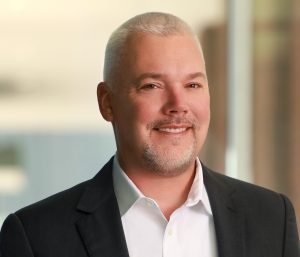 Ben Chance is the Chief Fraud Risk Management Officer at Early Warning, where he manages fraud risk across the Decision Intelligence, Zelle®, and PazeSM networks. His role involves attacking scams on all fronts, from a technology perspective to through public-private partnerships. Ben Chance’s expertise in fraud risk management and business risk has been instrumental in developing strategies to combat fraud, and his previous roles at ONE and Barclays have provided him with a robust skill set that includes Fraud Prevention, Operations Management, Program Management, Risk Management, and Process Improvement.
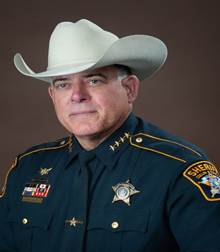 Sheriff Jim Skinner is a 35-year law-enforcement veteran, trial attorney, former prosecutor, and the Second Vice President of the National Sheriff’s Association. With 638 authorized personnel, the Sheriff’s Office operates a 1,478-bed jail and provides patrol and investigative services in the County’s 500 square miles of unincorporated area. In 2018, Sheriff Skinner and seven other nearby sheriffs formed an interdiction team that has seized over $200 million in narcotics, over $9 million in bulk cash, and loads of weapons and ammunition. It has even rescued several child-trafficking victims. Recently, Sheriff Skinner detailed two special investigators to focus on the growing problem of scams that often target the elderly. In recent months, the team has worked with local prosecutors to secure over 30 arrest warrants and break up a scam ring. The team has also seized over $1.25 million from scammers and worked with the courts to begin returning money to victims.
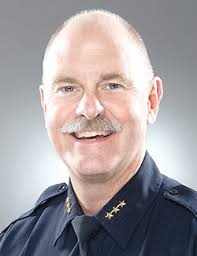 Deputy Chief Mitch Cunningham (ret.) has been a police officer for 40 years, most recently as Deputy Chief for the Wilmington, North Carolina, Police Department, retiring in 2019 and remaining as an auxiliary officer. Before that, he was a police officer for the Montgomery County Department of Police in Maryland from 1985-2012. There, he started a number of crime-fighting initiatives, including the first Career Criminal Unit, the first regional auto theft team, and started the regional data sharing system NCR LInX, in the National Capitol Region, which connects hundreds of police agencies, leading to countless arrests and supporting anti-terrorism efforts in the wake of 9-11.
After being selected as Deputy Chief of the Wilmington (North Carolina) Police Department in 2012, he launched several successful efforts to reduce gang violence plaguing the city. He also started the agency’s first Peer Support team, created a college scholarship fundraiser -Send a Cop to College- to assist with the professionalization of its future leaders, and initiated several leadership, crime-fighting, and morale-building efforts. Wilmington, North Carolina, was designated as the city with the worst opioid crisis, so it implemented several initiatives to address this, including being the second program in North Carolina that outfitted WPD officers with naloxone. He also began the LEAD program, a pre-arrest diversion program that brought public safety and public health officials to work together to reduce the impacts of opioids. He was also a founder of the Quick Response Team that ensured those who overdosed received care within 72 hours. He was selected to serve on the NC Attorney General’s Task Force on Opioids.
He is a certified training instructor who worked as a law enforcement training coordinator at Cape Fear Community College and taught at the University of North Carolina at Wilmington and Louisiana State University.
He is currently the Chief Law Enforcement Advisor for the National Sheriffs’ Association. In this role, he provides technical support to clients across the country on a variety of topics and needs. He also serves on the advisory board of PTACC, a police and treatment community consortium. He writes articles and reports on innovations in law enforcement that assist in successful opioid response strategies.
He is also an accreditation SME for IADLEST, the International Association of Directors of Law Enforcement Standards and Training.
He was previously a member of Big Brothers Big Sisters of the National Capitol Region and is currently the Vice Chairman of the Board for Soaring as Eagles, a community outreach nonprofit serving families of Title I schools. He is also a founding member of the Carolina Beach Police Foundation and serves on its board.
From Jail to Stability: How Sheriffs Are Using Situation Tables and Re-Entry Hubs to Prevent Crisis and Reduce Recidivism
9:15 AM TO 10:15 AM | ROOM 206 | FUTURE OF LAW ENFORCEMENT
Sheriffs across the United States are facing increasing challenges related to behavioral health crises, substance use disorder, homelessness, and repeat justice system involvement. Traditional enforcement approaches alone are often insufficient to address these complex issues, which frequently require coordinated responses across public safety, public health, and community service systems.
This session highlights an innovative sheriff-led collaborative model developed in Chautauqua County, New York, where the Sheriff’s Office partnered with the county Department of Mental Hygiene and community providers to implement a coordinated strategy that addresses risk before crises escalate and supports individuals transitioning from jail back into the community.
Participants will learn how three key components work together:
• Chautauqua CARES Re-Entry Hub – a sheriff-supported program that provides peer support, care management, and rapid service connection for individuals leaving jail.
• The Situation Table Model – a structured multi-agency process designed to identify individuals experiencing Acutely Elevated Risk (AER) and coordinate immediate interventions.
• Public Health Collaboration – integrating behavioral health planning, treatment resources, and prevention strategies into public safety responses.
The presenters will share lessons learned from the first year of the Chautauqua County Situation Table, which brought together more than a dozen agencies to address housing instability, mental health crises, substance use, and other risk factors affecting vulnerable individuals.
Attendees will also hear about national trends in Situation Tables and collaborative response models, which are rapidly expanding across the United States as communities seek effective strategies to reduce recidivism, improve community safety, and better coordinate services.
Through real-world examples and an interactive scenario exercise, sheriffs and public safety leaders will gain practical guidance on how their own jurisdictions can implement similar models.
PRESENTERS: Sheriff James Quattrone, Chautauqua County Sheriff’s Office; Vito Randazza, Director, Chautauqua CARES Re-Entry Hub; Steve Kilburn, Public Health Planner – Chautauqua County Department of Mental Hygiene
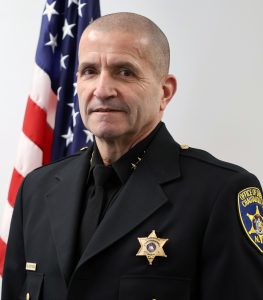 Sheriff James Quattrone is a 38-year veteran with the Chautauqua County Sheriff’s Office. He began his first term as Sheriff in 2019. Before being elected sheriff, James Quattrone had 30 years of experience with the Chautauqua County (New York) Sheriff’s Office, serving 15 years in a supervisory position. He began his career in 1987 on the navigation patrol and, for a brief period, worked at the county jail before attending the Sheriff’s Academy.
Jim graduated from Rochester Institute of Technology with a Bachelor of Science Degree in Criminal Justice. He received his Master of Science Degree in the Administration of Justice from Mercyhurst College. Jim is also a graduate of the FBI National Academy, Class 231.
Sheriff Quattrone has taken several law enforcement-related courses since being employed by the Chautauqua County Sheriff’s Office. He obtained his Master Instructor certification and is an instructor at the Zone 13 Training Academy. Jim also served as the lead Defensive Tactics Instructor at the academy. Jim is a strong believer in continued training and education at all ranks and believes this needs to be modeled by the command staff.
Jim believes that Community Engagement is a cornerstone of effective policing. He strives to be connected with the community by sharing the agency’s activities and listening to what they are feeling. During our community conversations, he encourages people to share their concerns, cares, complaints, and compliments.
In 2010, Jim and two others founded the United Christian Advocacy Network (UCAN), a day center focused on assisting individuals coming out of incarceration or rehabilitation, as well as those at high risk of incarceration or rehabilitation, to prevent recidivism. In 2016, we had the opportunity to move UCAN into a residential center for those coming out of jail and rehabilitation centers or who were homeless. UCAN City Mission was formed, and Jim served as Executive Director until being elected Sheriff in 2019.
Jim lives in Jamestown with his wife Nancy, and they have four adult children and three grandsons. Jim and Nancy are members of Hillcrest Church and have previously been very involved in mission work.
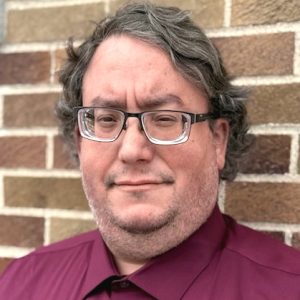 Vito Randazzo is a behavioral health and re-entry professional with more than 16 years of experience working at the intersection of public safety, addiction treatment, and community recovery services. As Director of the Chautauqua CARES Re-Entry Hub within the Chautauqua County Sheriff’s Office, he leads innovative programs designed to support individuals transitioning from incarceration back into the community.
Randazzo oversees a multidisciplinary response model that combines peer support, care coordination, recovery services, and public safety collaboration to reduce recidivism and stabilize individuals with substance use and behavioral health challenges. His work focuses on providing immediate, person-centered support following jail release, ensuring individuals are connected to treatment, housing resources, and community services during the critical first 90 days.
Through the CARES initiative and the Quick Response/Outreach Team, Randazzo works closely with law enforcement, public health officials, treatment providers, and community organizations to implement coordinated responses to address complex social and behavioral health needs. His work also supports the Chautauqua County Situation Table, a multi-agency collaboration that identifies individuals experiencing acutely elevated risk and rapidly connects them to services.
Randazzo’s leadership reflects a growing national movement among sheriffs’ offices to integrate public health strategies into public safety operations, strengthening both community wellbeing and long-term public safety outcomes.
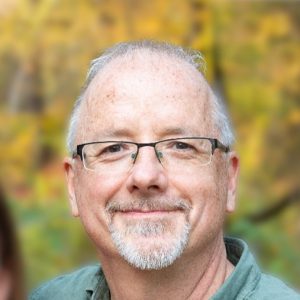 Steve Kilburn is a public health and behavioral health professional with extensive experience in substance use disorder response, public health planning, overdose prevention, and cross-sector collaboration. His work focuses on building strong partnerships between public health agencies, healthcare systems, behavioral health providers, law enforcement, and social service organizations to develop coordinated responses to complex community health challenges.
Kilburn serves as a Public Health Planner with the Chautauqua County Department of Mental Hygiene in Mayville, New York, where he helps plan and coordinate initiatives focused on behavioral health, substance use disorder prevention, and overdose response. In this role, he manages community-based initiatives, supports partnerships across multiple sectors, and assists with the development and operation of the Chautauqua County Situation Table, a multi-agency collaboration designed to identify and respond to situations involving acutely elevated risk.
He also managed Chautauqua County’s participation in the national HEALing Communities Study, a large-scale research initiative focused on reducing opioid overdose deaths through evidence-based community interventions. His responsibilities included coordinating opioid response strategies, supporting public health data analysis, facilitating collaboration among community partners, and monitoring progress related to overdose prevention efforts.
Kilburn has also provided oversight for federally funded addiction and overdose response initiatives through the Health Resources and Services Administration, supporting efforts to expand treatment access, improve overdose response systems, strengthen workforce development, and advance prevention strategies in rural communities. Earlier in his career, he worked for nine years as a credentialed addiction counselor in an inpatient rehabilitation program, providing individual and group counseling, treatment planning support, recovery education, and transition planning for individuals with substance use and co-occurring behavioral health disorders.
In addition to his public health work, Kilburn serves on the Board of Directors of UPMC Chautauqua and provides part-time pastoral care and counseling to individuals and families facing personal challenges, crises, and life transitions. He earned a bachelor’s degree from Cornell University, completed a graduate-level degree at Regent College in Vancouver, British Columbia, and holds a graduate-level certificate in public health.
Understanding & Investigating Hostile Networks
9:15 AM TO 10:15 AM | ROOM 207 | PUBLIC SAFETY
This presentation provides law enforcement with a detailed understanding of how elements of the jihadi and communist Movements operate across the United States, how local law enforcement can have a significant impact, and how knowing this information can be used to interdict these threats. Through history, case studies, and practical examples, the audience is provided with the doctrine, strategies, networks, and modus operandi of these hostile movements, key areas where state and local laws apply to be used against them, and how this information can change how local agencies can have a major impact on these threats.
PRESENTER: John Guandolo, Vice President, ASIG2
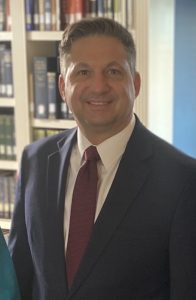 John Guandolo is a national security consultant who trains communities across America to identify individuals and organizations hostile to liberty and lawfully render them ineffective while re-establishing America’s founding principles and a republican form of government at the county level.
Mr. Guandolo is a 1989 graduate of the U.S. Naval Academy and was commissioned as an Officer in the United States Marine Corps. He served with 2d Battalion, 2d Marines as an Infantry Platoon Commander in combat during Operations Desert Shield and Desert Storm. From 1991 to 1996, he served in 2d Force Reconnaissance Company as a Platoon Commander, Assistant Operations Officer, and the unit’s Airborne and Diving Officer. During that time, he also deployed to the Adriatic and Bosnia. He later served for one year as the Unit Leader for the CINC’s In-Extremis Force, directly reporting to a Combatant Commander in a classified mission profile. Mr. Guandolo was a combat diver, military free-fall parachutist, and graduate of the U.S. Army Ranger School.
In 1996, Mr. Guandolo resigned his commission in the Marine Corps and joined the Federal Bureau of Investigation, serving at the Washington Field Office. From 1996 to 2000, he primarily conducted narcotics investigations domestically and overseas. In 2001, he served for one year as the FBI Liaison to the U.S. Capitol Police, investigating threats to high-level government officials. Shortly after 9/11, Mr. Guandolo began an assignment in the Counterterrorism Division of the FBI’s Washington Field Office, where he developed expertise in the Muslim Brotherhood, Islamic Doctrine, the global Islamic Movement, and terrorist organizations including Hamas, Al Qaeda, and others.
In 2006, Mr. Guandolo was designated a Subject Matter Expert by FBI Headquarters and created and implemented the FBI’s first Counterterrorism Training Program focused on the Muslim Brotherhood, Islamic Doctrine, and the Global Islamic Movement. The course was recognized as groundbreaking by the FBI’s Executive Assistant Director in a brief to the Vice President’s National Security Staff. For his efforts, Mr. Guandolo was presented the Defender of the Homeland Award in 2007 by U.S. Senators Jon Kyl and Joseph Lieberman on behalf of the Center for Security Policy in Washington, D.C. While with the FBI, he also received two United States Attorney’s Awards for Investigative Excellence.
Mr. Guandolo also served as the Team Leader for the FBI SWAT Team at the Washington Field Office. He was a certified Undercover Agent, a Nationally Registered Paramedic, a First Aid Instructor, and an FBI Advanced Capability Medic. In 2008, he was recruited out of the FBI by the Department of Defense to conduct strategic analysis on the Global Islamic Movement. During this time, he briefed senior U.S. government officials, including directors of intelligence agencies, chairmen of key committees in Congress, numerous generals and admirals, and others. He has also served as a guest lecturer at the Joint Forces Staff College and the U.S. Army War College.
In 2009, Mr. Guandolo created a two-week Train the Trainer program to teach others how to share and teach the details of America’s founding principles, the threat from the Islamic Movement, communist movements, their collaborators and financiers, and how to defeat these enemies of liberty. In 2012, he created Understanding the Threat to continue the work he began inside the government. In 2014, Mr. Guandolo was inducted into the International Who’s Who for his work in the field of national security.
Mr. Guandolo is the co-author of Shariah: The Threat to America and the author of Raising a Jihadi Generation and Islam’s Deception: The Truth About Sharia. He has also produced numerous films and videos and has written articles on the threats from Islamic and communist movements inside the United States. Mr. Guandolo was knighted into the Sovereign Order of the Knights of Saint John of Jerusalem, Ecumenical Order, also known as the Knights of Malta. He is a Claremont Institute Lincoln Fellow and a member of the Veterans of Foreign Wars, the American Legion, and the Force Reconnaissance Association.
Mr. Guandolo frequently appears on television and radio and regularly publishes articles related to these matters in a number of media outlets. His website is www.JohnGuandolo.com.
Leveraging Real-Time Crime Centers to Secure Public Events
9:15 AM TO 10:15 AM | ROOM 209 | LAW ENFORCEMENT TECH
In an era of evolving threats, Real-Time Crime Centers (RTCCs) are helping law enforcement move from old-school patrolling to proactive, intelligence-led event safety. This session, led by a 25-year law enforcement veteran and Retired Real Time Crime Center Lieutenant, Ben Jones, will explore best practices for leveraging real-time tools to support event security and safety operations. Whether your agency is entirely responsible for securing a high-profile event, on-site to support private event security, or only responsible for the perimeter, this session will discuss how to leverage technology to protect remote/temporary locations, how to create a Common Operating Picture (COP) across diverse stakeholders, and how to synthesize disparate data into real-time, actionable intelligence to protect high-density areas.
PRESENTER: Ben Jones, Retired Real-Time Crime Center Lieutenant and Public Safety Advisor, Verkada
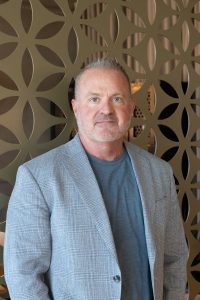 Ben Jones is a Public Safety Advisor at Verkada, helping organizations build and scale real-time crime centers (RTCCs) with cutting-edge technology. Before joining Verkada, Ben served as a Lieutenant with the Winston-Salem Police Department, where he spent 25 years in roles across SWAT, Homicide, and Street Crimes. Tasked with developing the department’s RTCC from the ground up, Ben set out to integrate cutting-edge technologies to enhance safety and investigations, with the ultimate goal of combating violent crime. His efforts quickly established WSPD’s RTCC as a model for intelligence-led policing across the country and earned him the 2023 National Real-Time Crime Center Association (NRTCCA) Supervisor of the Year award.
Fixing the Broken EAP Model in Law Enforcement: Reducing Burnout Through Culturally Competent Mental Health Providers
9:15 AM TO 10:15 AM | ROOM 210 | OFFICER WELLNESS
Law enforcement agencies across the country are investing in Employee Assistance Programs (EAPs) to support officer wellness. However, many officers and deputies do not utilize these services due to a lack of cultural competence among providers who do not understand the realities of law enforcement work. This disconnect contributes to untreated stress, emotional exhaustion, burnout, and retention challenges within sheriff’s offices.
This seminar examines the relationship between ineffective EAP utilization and officer burnout. Participants will learn how occupational culture, stigma, and provider mismatch prevent many officers from seeking help. The session will also explore how agencies can improve officer wellness outcomes by partnering with culturally competent mental health providers who understand law enforcement culture, trauma exposure, and the unique stressors of policing.
Drawing from both clinical practice and law enforcement experience, the presenter will provide practical strategies for sheriffs and agency leaders to evaluate their current EAP services and build mental health partnerships that officers actually trust and use.
PRESENTER: Tyrone Townsend, Clinical Professional Counselor, Founder, Townsend Counseling Services
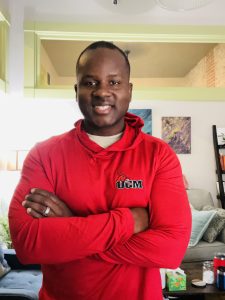 Tyrone Townsend, LCPC, is the founder of Townsend Counseling Services in Manhattan, Kansas, where he specializes in working with first responders, couples, and individuals experiencing trauma and high-stress occupations. Before becoming a Licensed Clinical Professional Counselor, Tyrone served nearly nine years in law enforcement, including time as a School Resource Officer. His background as both a former police officer and clinician allows him to bridge the gap between law enforcement culture and effective mental health treatment. Tyrone regularly works with officers experiencing burnout, trauma exposure, relationship strain, and operational stress. In addition to his clinical work, Tyrone serves as an adjunct instructor in a master ’s-level counseling program, where he teaches courses related to multicultural counseling and leadership in human service programs. His professional focus centers on improving access to culturally competent mental health care for law enforcement officers and first responders.