
WEDNESDAY, JUNE 10, 2026 SEMINAR SESSIONS
Shielding the Public Square: Modern Strategies for Addressing the Rise of Threats Against Public Figures
8:00 AM TO 9:00 AM | ROOM 206 | PUBLIC SAFETY
In an era of increasing political polarization and digital connectivity, the safety of elected government leaders, public officials, and prominent local residents has become a critical concern for law enforcement. Recent data indicate a sharp rise in ideologically motivated threats, often fueled by online rhetoric and misinformation. To address this evolving challenge, this presentation will bring together multidisciplinary perspectives of local, federal, and academic stakeholders. The session aims to discuss recent high-profile incidents and examine the transition from reactive policing to proactive behavioral intervention, ensuring that those who serve the public can do so without fear of targeted violence.
A cornerstone of this discussion will be the operational model pioneered by the Fairfax County (VA) Police Department’s (FCPD) Threat Assessment and Management (TAM) Unit. The TAM Unit exemplifies a modern, systematic approach by integrating law enforcement expertise with mental health and community services. Panelists from the FCPD and academic scholars will demonstrate how the TAM and similar units identify, evaluate, and mitigate risks before they escalate into physical harm. By sharing case studies and best practices, the workshop will provide a roadmap for agencies to build their own multidisciplinary teams, emphasizing the balance between robust public safety and the preservation of individual civil liberties.
PRESENTERS: Captain Jonathan Steier, Fairfax County, VA Police Department, Joshua Ederheimer, Senior Director/Assistant Professor, UVA Center for Public Safety and Justice, Dr. Oscar Odom, Associate Professor, University of Virginia Center for Public Safety and Justice (CPSJ), 1st Deputy Commissioner (Ret.), New York City Sheriff’s Office
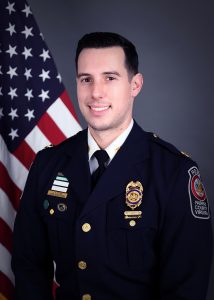 Captain Jonathan Steier brings 13 years of dedicated service with the Fairfax County Police Department (FCPD). He started his career with FCPD as an intern in Cold Case Homicide while finishing his degree at George Mason University. After completing his degree, Captain Steier entered the police academy, where he worked patrol and, four years later, became a detective.
Over the course of his career, he has served in a wide range of specialized units, including Organized Crime & Narcotics, Tysons Urban Team, Crisis Negotiation Team, and the Major Crimes Bureau, where he was assigned to Sex Crimes, Child Abuse, Financial Crimes, Fugitive Extradition, and Missing Persons. For these roles, Captain Steier held the ranks of Detective, Detective Sergeant, and Detective Lieutenant.
Moving forward in his career, Captain Steier had the privilege of serving as a founding member of several FCPD units, including the Threat Assessment and Management (TAM) Unit.
In his role within the TAM Unit, Captain Steier has been instrumental in building strong relationships with federal, state, local, and partners. He also served as the Operations Manager of the Northern Virginia Regional Intelligence Center, which was named Fusion Center of the Year in 2024 under his leadership. Currently, Captain Steier oversees the Threats & Intelligence Division, which includes the Criminal Intelligence Unit and the TAM Unit, and commands the Crisis Negotiation Team (CNT).
Captain Steier holds a master’s degree from the University of Oklahoma and is an adjunct professor at George Mason University.
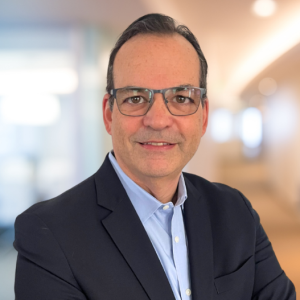 Joshua A. Ederheimer is a seasoned executive with more than four decades of service in government and public safety. His diverse background spans the local, federal, non-profit, and academic sectors, with expertise in operations, leadership, education, technology, and management.
Mr. Ederheimer retired from federal service in April 2025. Shortly thereafter, he joined the faculty of the University of Virginia as Assistant Professor of Practice and Senior Director of Strategic Partnerships at the UVA Center for Public Safety and Justice.
He most recently served as the acting Chief Learning Officer and Executive Director of the Office of Learning, Education, and Development Strategy at the U.S. Department of Homeland Security (DHS), overseeing training policy and programs for 260,000 employees worldwide. He chaired the DHS Chief Learning Officer’s Council and represented the agency on the federal-wide council for professional development.
From 2017 to 2024, he was Deputy Director of the Federal Protective Service (FPS), the DHS law enforcement agency responsible for protecting federal facilities and more than 1.4 million personnel and visitors nationwide.
His previous federal roles include Senior Law Enforcement Advisor at the DOJ Office of Tribal Justice at Main Justice (2016–2017), where he served as the DOJ’s Liaison to tribal law enforcement in the United States. From 2014-2015, he was the Senior Law Enforcement Advisor at the First Responder Network Authority (FirstNet) at the U.S. Department of Commerce, where he launched FirstNet’s law enforcement portfolio to support national public safety communications.
From 2010 to 2013, he served as Principal Deputy Director of the DOJ’s Office of Community Oriented Policing Services (COPS). In 2013, he was appointed by Attorney General Eric Holder as acting Director and served in that role for a year. The DOJ COPS Office is the federal agency within the U.S. Department of Justice responsible for supporting all U.S. law enforcement agencies. It has an active portfolio of nearly $3 billion in federal grants.
Before federal service, Mr. Ederheimer spent 23 years with the Metropolitan Police Department of the District of Columbia, rising to the rank of Assistant Chief. He led numerous innovative initiatives, several of which became national models.
He also directed the Center on Force and Accountability at the Police Executive Research Forum, where he advised U.S. and international agencies on executive development, use of force, and accountability.
Mr. Ederheimer has taught law enforcement courses for over a decade as an Adjunct Professor at American University and is widely published on policing topics. He speaks regularly on law enforcement practices, trends, and innovation and is a frequent on-air subject-matter expert for several new outlets.
He has served on numerous boards, including the National Law Enforcement Officers Memorial Fund and the International Law Enforcement Forum. He currently sits on the Advisory Board of the Global Consortium of Law Enforcement Training Executives at Rutgers University, serves on the Board of the Federal Protective Service Association, serves on the National Law Enforcement Museum curatorial committee, and is an active member of several professional organizations.
Mr. Ederheimer holds a B.A. in Justice from American University and an M.S. in Management and Leadership from Johns Hopkins University.
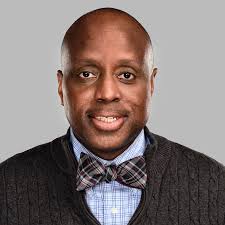 Dr. Oscar Odom III currently serves as an Associate Professor of Public Safety. Previously, he served as the Vice President of Security for the Brooklyn Navy Yard Development Corporation. Dr. Odom has served as a Commissioner on the New York City Districting Commission. He is the former First Deputy Sheriff Commissioner and Four-Star Chief of the New York City Sheriff’s Office, and a retired New York City Police Detective with 20 years of service. Dr. Odom has served New York City Mayors David Dinkins, Rudy Giuliani, and Michael Bloomberg. Dr. Odom has held several assignments in the New York City Police Department, including Patrol Officer, Police Academy Instructor, Intelligence Division, Career Criminal Investigation Unit, and Juvenile Crime Squad (Fugitive Enforcement Division). He serves as a news commentator on policing, emergency management, criminal justice, and terrorism issues.
Throughout his 20-year academic career, Dr. Odom has served as a professor in graduate and undergraduate colleges in criminal justice, law, and emergency & disaster management. He is a member of the Oxford Roundtable in the United Kingdom and a Fulbright Scholar, Criminology Peer Reviewer.
Dr. Odom is a Life Member of Omega Psi Phi Fraternity Inc., International Association of Chiefs of Police (IACP), National Organization of Black Law Enforcement Executives (NOBLE), New York State Chiefs of Police Association, and American Society for Industrial Security (ASIS).
Dr. Odom earned his Bachelor of Science degree in Correction Administration from John Jay College of Criminal Justice, Juris Doctor degree from the City University of New York School of Law, where he served as Associate Editor of the Law Review, and earned his Doctorate of Education degree with a Specialization in Educational Leadership and Management.
Promoted Too Soon, Prepared Too Late: The Leadership Crisis Impacting Retention, Performance, and Culture
8:00 AM TO 9:00 AM | ROOM 207 | LEADERSHIP
Across the country, departments are promoting leaders faster than ever out of operational necessity, not because they are fully ready, but because someone must step into the role. As experienced leaders leave and hiring becomes increasingly difficult, sheriffs and command staff are promoting personnel earlier in their careers, many of whom have limited experience in leading people, managing conflict, shaping culture, or thinking strategically. As a result, many newly promoted leaders are building leadership capability while serving in their new roles. When leadership development is not intentionally aligned with promotion practices, organizations often experience increased turnover, disciplinary concerns, morale challenges, internal complaints, and heightened liability exposure. Most departments don’t lack capable people; they lack a deliberate system that prepares those people for leadership before promotions occur.
This session gives sheriffs and executive leaders practical ways to stop reacting to vacancies and start intentionally building a leadership bench. Attendees will learn how to identify leadership potential early, prepare people before promotion, strengthen first-line supervision, develop mid-level leaders into strategic problem-solvers, and use mentorship and coaching to expand leadership capacity across the organization. Participants will leave with a straightforward, realistic framework they can begin applying immediately to strengthen succession planning, improve retention, and ensure future leaders are prepared for the responsibilities that come with the rank.
PRESENTER: Frank Trammer, CEO, Guardian Leadership, LLC
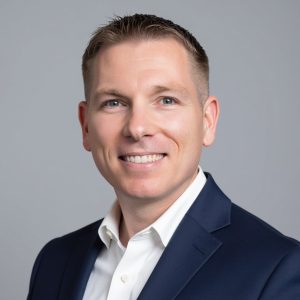 Frank A. Trammer is a nationally recognized leadership speaker and trainer specializing in leadership development, organizational culture, and personal growth. He is the Founder and CEO of Guardian Leadership, an organization dedicated to inspiring, challenging, and equipping leaders to lead with purpose, reach their fullest potential, and enrich the lives of those they serve.
Since founding Guardian Leadership in 2018, Frank has helped hundreds of public safety agencies and thousands of leaders across government, public safety, nonprofit, and private-sector organizations strengthen leadership capacity and transform organizational culture. His work focuses on developing leaders from the inside out—building character, strengthening self-leadership, expanding influence, and equipping organizations to thrive in complex and rapidly evolving environments.
Frank brings more than two decades of executive leadership and public safety experience, including serving as Chief of Police for the City of Stockbridge, Georgia, where he helped establish and lead a new police department. His leadership emphasized cultivating a strong organizational culture, developing leaders at every level, and implementing forward-thinking strategies that strengthened operational performance and community partnerships. These experiences now shape the leadership principles he teaches nationwide and reinforce his belief that developing people is the foundation for building strong organizations and stronger communities.
In addition to leading Guardian Leadership, Frank serves as an Executive Director with John Maxwell Leadership, one of the world’s most respected leadership development organizations. He previously served as an adjunct professor at the Georgia Institute of Technology and Columbus State University, where he taught leadership.
Frank has contributed to national leadership development initiatives through partnerships with organizations such as the International Association of Chiefs of Police and the FBI National Academy Associates. He serves as a lead trainer in the FBINAA Leadership Certification Program, where he played a key role in developing its leadership curriculum. He has also served as a Subject Matter Expert with the International Association of Chiefs of Police, supporting national efforts to strengthen leadership training and professional development.
Frank is the creator of The Guardian’s Ascent, a comprehensive leadership development framework designed to accelerate leader growth from the inside out. The program focuses on strengthening self-leadership, equipping leaders to lead others effectively, developing high-performing teams, and shaping healthy, thriving organizational cultures.
Known for his engaging, relatable, and practical teaching style, Frank is a sought-after keynote speaker and instructor who has delivered leadership training and keynote presentations at major national and international conferences and professional organizations.
Frank remains actively involved in community service and nonprofit initiatives and is passionate about helping leaders lead with clarity, courage, and conviction while strengthening the organizations and communities they serve.
Responding to Suicidal Subjects: Increase Your Options with a Full Toolbox
8:00 AM TO 9:00 AM | ROOM 208 | PUBLIC SAFETY
Law enforcement response to suicidal subjects continues to be one of the most difficult police calls. With unclear legal standards, agencies must consider whether to respond, whether to use force, and when and whether to walk away. This class will detail a full range of options, including mental health programs, foundational concepts (like de-escalation), the use of less-lethal options, and an understanding of the law and use of force, to build a full toolbox for addressing these calls. Using examples, participants will leave with the knowledge to help develop policies and training programs that respond in an ethical, legally defensible, and repeatable manner. They will also know when it is appropriate to walk away, use force, or use a tactical team, as well as the consequences of those actions.
PRESENTER: David Pearson, Retired Lieutenant, Rocky Mountain Blue Line Consulting, LLC
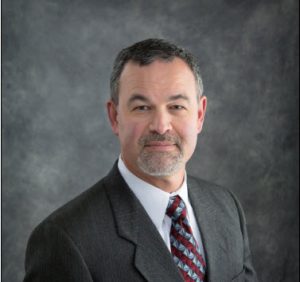 David is a retired police lieutenant with 31 years of experience. David has a demonstrated history of working in government administration. He has worked in most areas of LE, including investigations, special operations, administration, and patrol. David has 23 years of leadership experience and has served as an Acting Assistant Chief for Investigations, Director of the Fort Collins Police Academy, and Commander of the Northern Colorado Drug Task Force, as well as several other supervisory and management roles. He is skilled in Government, Law Enforcement, Emergency Management, Special Operations, Less Lethal Tools and Tactics, Patrol, and Firearms Handling. He has a Bachelor’s Degree focused in Criminal Justice/Police Science from the University of Maryland, College Park, and a Master’s in Organizational Leadership.
David is a LE instructor with over 25 years of experience. He has presented at all levels of LE, including national conferences of the National Sheriffs’ Association (NSA) and the IACP, on a variety of topics. David has operational and instructional experience in public order, SWAT tactics, Less Lethal tools and tactics, conflict resolution, wellness and resiliency, law enforcement concepts, and responding to suicidal subjects.
David’s company, Rocky Mountain Blue Line Consulting, LLC, provides several classes that can be individually tailored to assist agencies in improving in almost every area, and also provides expert witness work for less-lethal uses of force.
In 2015, David created a new metaphor in cooperation with Dr. Kimberly Miller on how LE can view their role. The Way of the Jedi: Developing Balanced Law Enforcement Professionals draws on several positive aspects of Jedi culture to offer a fresh look at the Warrior, Guardian, and Sheepdog mentalities. This class has been presented at national conferences for IACP, NSA, and NTOA, as well as many other presentations around the country.
Keeping Our People Fit for Duty: The Case for Annual Mental Health Check-Ups
8:00 AM TO 9:00 AM | ROOM 209 | OFFICER WELLNESS
For years, agencies have relied on fitness-for-duty evaluations after a problem occurs—but in today’s high-stress environment, waiting until someone is struggling is no longer enough. Proactive mental health wellness checks are becoming one of the most effective tools Sheriff’s Offices can use to support their employees, reduce liability, and maintain a healthy, high-performing workforce.
This engaging session explores why annual mental health wellness checks should be standard for all employees, not just those in crisis. Participants will examine the advantages of mandatory vs. voluntary programs, the value of proactive vs. reactive approaches, and the cultural barriers that often prevent agencies from implementing wellness initiatives. The presentation will also address confidentiality, union concerns, leadership buy-in, and practical steps for introducing wellness checks in a way that builds trust rather than resistance.
Attendees will leave with a clear understanding of how annual wellness checks can strengthen resilience, improve decision-making, reduce the risk of misconduct, and help protect both employees and the agency. This is a must-attend session for leaders who want to keep their people healthy and their organization strong.
PRESENTERS: Dr. Kimberly A. Miller, Police & Public Safety Psychologist & Consultant, Kimberly A Miller and Associates, LLC, Sheriff Tom Riggenbach, Van Wert County Sheriff’s Office
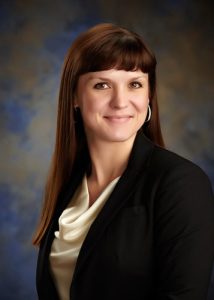 Kimberly A. Miller, Ph.D., is a licensed psychologist (Colorado PSY-3744) and founder of Kimberly A. Miller & Associates, LLC (est. 2004), where she serves as a police and public safety psychologist, executive coach, consultant, and trainer. In this role, she partners with law enforcement agencies, sheriff’s offices, communications centers, and public safety organizations nationwide to strengthen leadership, culture, wellness, and organizational performance.
Over the past decade, Dr. Miller has provided training and technical assistance to hundreds of public safety agencies and tens of thousands of professionals through conferences, executive retreats, webinars, and customized programs. Her areas of expertise include leadership development, organizational culture and change, succession planning, character-based promotional processes, employee selection and assessment centers, ethics and accountability, officer wellness and resilience, strategic planning, conflict resolution, and implicit bias. She has led national executive searches and promotional processes for agencies across multiple states.
Dr. Miller currently serves as President of the Psychological Services Board for the Small & Rural Law Enforcement Executives Association. She has delivered keynote addresses and workshops for IACP, NSA, FBINAA, APCO, NASRO, and numerous state associations. She has published extensively in Sheriff & Deputy, American Psychologist, and other peer-reviewed journals. She is the recipient of the MENSA International Award for Excellence in Research and the APA Minority Fellowship.
Dr. Miller earned her Ph.D. in Counseling Psychology (Colorado State University), M.A. in Clinical Psychology (Ball State University), and B.A. in Psychology, summa cum laude (Auburn University). She completed her APA-accredited predoctoral internship at the Oregon State University Counseling Center.
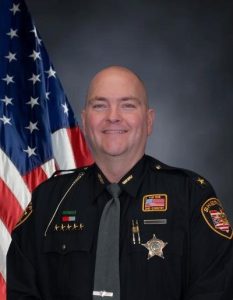 Sheriff Thomas M. Riggenbach is a 31-year employee of the Van Wert County Sheriff’s Office. He graduated from Lima Technical College in 1991 with an Associate Degree in Law Enforcement Technology. He began his career with the Sheriff’s Office in 1995 as a deputy. In 1998, he was assigned to the K-9 Unit, and in 1999, he was promoted to Sergeant. He was later promoted to Chief Deputy of Corrections in 2005.
In 2012, Sheriff Riggenbach was elected to his first term as Sheriff and took office in January 2013. During his time in office, he has worked to improve deputy safety by updating and expanding training programs and providing training to 55 to 60 employees on best practices and protocols. He has also secured more than $500,000 in funding for criminal investigation, officer safety, communication, and jail security equipment.
Sheriff Riggenbach has expanded community service efforts by creating a Crash Investigation/Reconstruction Team, a Technology Lab, full-time School Resource Officers at three schools, a body camera program, and a drone program.
He is a member of the local Alcohol, Drug Addiction, and Mental Health Services Board. In 2023, the Van Wert County Sheriff’s Office launched a mental health wellness program that includes mandatory annual mental health checks for all employees, along with opportunities for employees to receive therapy. At the beginning of 2026, an additional provider was brought on board, allowing for the creation of an Employee Assistance Program.
Sheriff Riggenbach is married to his wife, Heather, and they will celebrate their 33rd wedding anniversary in December. They have three grown children: Mackenzie, Tyler, and Noah.
Election Security Under Threat: Scenario-Based Training in Threat Response
2:00 PM TO 3:00 PM | ROOM 205 | LEADERSHIP
American elections have become a recurring operational challenge for law enforcement leaders nationwide. During the 2024 election cycle alone, approximately 250 bomb threats targeted polling locations and election offices across multiple states, alongside ballot drop box arsons, swatting incidents, confrontations with so-called First Amendment Auditors, and escalating threats against election officials. According to a 2025 local election official survey, more than 1 in 3 local election officials have experienced threats, harassment, or abuse. Additionally, election offices across the country continue to receive suspicious powdery substances intended to frighten election administrators, while newer election security threats, such as Unmanned Aircraft Systems, have caused chaos at a Houston polling location on Election Day.
These incidents demonstrate that election threats are not isolated events but part of broader efforts to create chaos, strain law enforcement resources, and undermine confidence in democratic outcomes.
By examining case studies, this session will highlight effective collaboration between law enforcement and election officials that helped mitigate threats and ensure the continuity of election operations. Participants will apply best practices through an interactive virtual tabletop exercise using BlueLogic Training, focusing on election security. Participants will walk through realistic scenarios and provide real-time responses.
PRESENTERS: Tina Barton, Committee for Safe and Secure Elections, Co-Chair; Christopher Grotton, Co-Chair, Committee for Safe and Secure Elections, Major (Ret.), Maine State Police; Lt. Ben Langham, Kenai Police Department
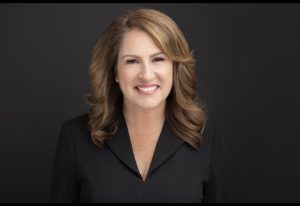 Tina Barton serves as Co-Chair of the Committee for Safe and Secure Elections and Vice President at Ready for Tuesday, bringing over 32 years of distinguished service in government at the federal, county, and municipal levels. For over two decades, her professional focus has been dedicated to election administration. Eight of those years were spent serving as the City Clerk of Rochester Hills. Tina is a Fellow with the League of Conservative Election Professionals. She also serves on the Board of Directors for the Center for Tech and Civic Life and Verified Voting.
Prior to her current role, she served as a Senior Election Expert at The Elections Group (TEG). Before joining TEG, Tina capped her public service career as the Senior Program Advisor to the Executive Director of the U.S. Election Assistance Commission (EAC). She presently continues her engagement with the EAC as a member of the Board of Advisors, appointed by the U.S. Conference of Mayors. Tina is a graduate of Liberty University. She has earned a Master of Arts in Management and Leadership and a Bachelor of Business Administration.
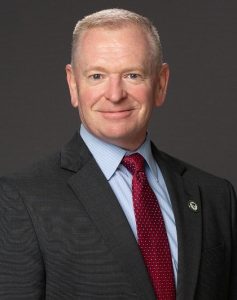 Christopher Grotton serves as Co-Chair of the Committee for Safe and Secure Elections and Vice President for Student Experience at Husson University. In this role, he leads a diverse array of departments in providing an exceptional student experience. He also serves as an Adjunct Professor, teaching a graduate course in Behavioral Threat Assessment, and serves on the Behavioral Threat Assessment Executive Board for the Maine School Safety Center within the Maine Department of Education.
Prior to joining Husson University, Chris retired after a 31-year career as a Major with the Maine State Police. During his career, he served in a variety of operational, support, and executive leadership roles. During his 19 years as a Commissioned Officer, he served in command roles with the Traffic Safety Unit, Training and Professional Development, and Special Operations Teams. He worked with state and nationwide entities on contemporary policy issues. He redeveloped and commanded Maine’s Intelligence Fusion Center, served as an Executive Branch liaison to the Maine Legislature, and managed numerous technology projects and implementations that impacted Maine’s law enforcement and criminal justice systems. He founded the State Police Incident Management Assistance Team and has served in various command roles at numerous large incidents throughout Maine and the nation. Chris earned his Bachelor’s Degree in Criminal Justice and his Master’s in Business Administration from Husson University.
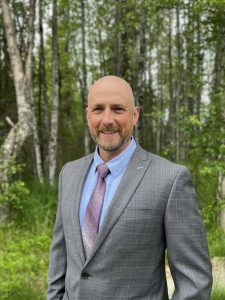 Ben Langham is a law enforcement training leader and instructional designer with over 24 years of service, focused on improving officer decision-making, leadership, and readiness during critical incidents. He currently serves as a Lieutenant with the Kenai Police Department, where he has overseen all department training since 2017, including curriculum development, instructor mentoring, compliance management, and annual in-service planning.
Ben is the co-founder of BlueLogic Training, a scenario-based training platform built for public safety professionals. He has led the development of more than 200 interactive training courses focused on critical incident response, leadership under stress, and real-world problem solving. His work emphasizes adult learning principles, articulation of written decisions, after-action analysis, and instructor-led coaching. BlueLogic courses are used by agencies across the country.
Ben holds a Master’s degree in Administration of Justice from the University of Alaska Fairbanks and a Graduate Certificate from the University of Virginia. He is a graduate of the FBI National Academy (Session 268) and is an IADLEST Nationally Certified Instructor.
Investigative and Legislative Solutions to Bitcoin ATM Fraud
2:00 PM TO 3:00 PM | ROOM 206 | FUTURE OF LAW ENFORCEMENT
This seminar will provide a broad overview of the resources and processes necessary for local law enforcement to effectively investigate crimes involving Bitcoin ATMs. It will describe what blockchain analysis can and cannot achieve in relation to law enforcement objectives, using case-specific examples.
Additionally, the seminar will describe legislative successes achieved by the Douglas County Sheriff at the city and state level that have resulted in an 80% decline in victim dollar losses to BTC ATM fraud from 2024 to 2025.
PRESENTER: Deputy Michael DeChellis, Deputy Sheriff/ Financial Crimes Investigator, Douglas County Sheriff, Nebraska
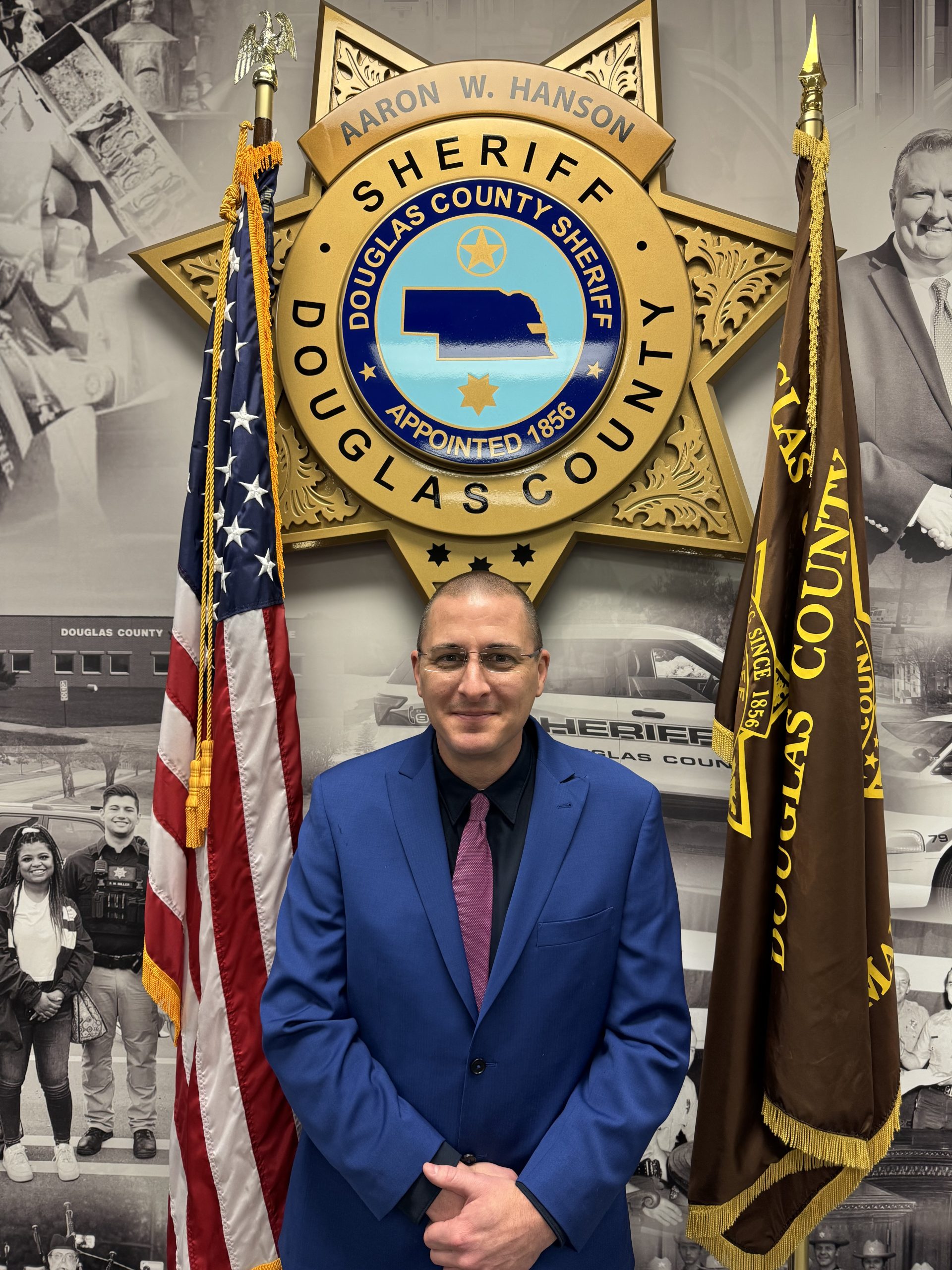 Deputy Michael DeChellis has been employed by the Douglas County Sheriff’s Office for 19 years and has worked in criminal investigations for the past eight years. His primary work focuses on financial crimes, including bank fraud conspiracies and US- and non-US-based scams.
As the Bitcoin ATM fraud epidemic has grown into a national crisis in recent years, Dep. DeChellis and his fellow investigators have gained insight into the industry that is perpetrating this fraud, the methods by which blockchain technology can be used to identify suspects and, on some occasions, recover assets, and the ways that existing state laws written before blockchain technology existed can be leveraged to achieve law enforcement objectives.
What Keeps Leaders Up at Night: A Captain’s Playbook for Reducing Liability Without Handcuffing Your Deputies
2:00 PM TO 3:00 PM | ROOM 207 | FUTURE OF LAW ENFORCEMENT
Lawsuits don’t start in court. They start on an ordinary Tuesday.
From excessive force claims to training failures, most liability exposure builds quietly through missed warning signs, undocumented remedial training, outdated policies, or patterns supervisors normalize over time. By the time it reaches the Sheriff’s desk, the damage is already done.
In this candid session, Captain Joshua Staggs of the Walworth County Sheriff’s Office and retired Captain Jeffery Smith of the Orange County Sheriff’s Office will share what creates exposure at the operational level and the lessons they’ve learned through their decades of service.
Captain Staggs will examine where liability exposure often begins – initial field training. Early interactions between new deputies and their field training officers not only shape how deputies develop but also impact agency culture and expectations. From there, he will explore how risk can quietly compound over time if policy updates fail to translate into behavior, training is completed but not absorbed, use-of-force trends go unnoticed, or corrective coaching goes undocumented. Drawing on his experience, Staggs will outline the supervisory reviews, documentation practices, and training records that create a clear, defensible record of leadership, supervision, and accountability when scrutiny comes.
Retired Captain Smith will discuss what surprised him during litigation, how small inconsistencies can become patterns in court, and the difference between hours trained and competency demonstrated. He will share what he wishes had been tracked differently and how agencies can avoid being accused of “deliberate indifference.”
This session is not about micromanaging deputies. It’s about protecting them with the right processes and resources. Attendees will leave with practical steps to reduce exposure while preserving operational strength.
PRESENTERS: Captain Joshua Staggs, Walworth County Sheriff’s Office, Jeffery Smith, Captain, retired, Orange County Sheriff’s Office
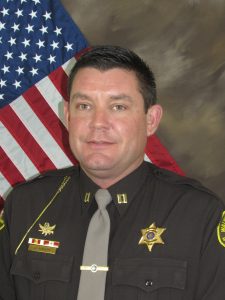 Josh Staggs is a Captain with the Walworth County Sheriff’s Office, bringing over 29 years of experience and extensive leadership and operational expertise across patrol, training, and specialty teams. He has served as a Patrol Sergeant and Training & Planning Lieutenant; held progressive roles in SWAT as a Tactical Operator, Entry Team Leader, and Commander; and held progressive roles on the Dive Team, culminating as Team Commander.
In addition to tactical and supervisory duties, Josh has led the agency accreditation program and served as an accreditation assessor, ensuring organizational compliance and continuous improvement. His background combines frontline policing, advanced tactical expertise, and organizational governance to support effective, professional public safety services.
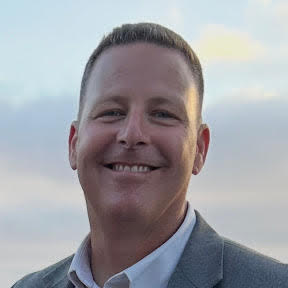 Jeffery Smith is a seasoned Police Captain with 30 years of distinguished service in law enforcement and government administration in two organizations in Southern California. Throughout his career, he has been a driving force for meaningful organizational change, championing the core principles of modern policing: transparency, collaboration, de-escalation, and accountability. His leadership has helped align law enforcement practices with evolving community expectations while preserving the profession’s foundational values.
As a command-level leader, Smith has held broad operational and administrative responsibilities, including service as Bureau Commander for both the Support Services Bureau and the Professional Standards and Services Bureau. In these roles, he provided strategic oversight of investigative divisions and specialized units, managed citywide traffic operations and major public events, ensured accountability for evidence and property, and led initiatives in digital engagement and community-focused innovation.
Smith is widely recognized for his expertise in recruitment, retention, and leadership development. Smith served in a wide range of operational and investigative assignments at numerous levels, from tactical teams to complex investigations, both locally and federally. Smith holds a Bachelor of Science in Organizational Leadership from Colorado State University and a Master of Science in Public Safety Leadership from the University of San Diego. He is also a graduate of the FBI National Academy (Session 273).
His career reflects a consistent dedication to ethical leadership, organizational resilience, and the continuous improvement of modern policing.
From Gunfire Alert to Aerial Intelligence: How Omaha PD Uses Drones as First Responders
2:00 PM TO 3:00 PM | ROOM 208 | LAW ENFORCEMENT TECH
When gunfire occurs, the first few minutes of response are critical. Agencies across the country are exploring how real-time intelligence and aerial awareness can improve officer safety, decision-making, and investigative outcomes during these high-risk moments.
This session examines how the Omaha Police Department’s Air Support Unit has integrated Drone-as-First-Responder capabilities into its gunfire-response workflow. By pairing real-time gunfire detection with rapid drone deployment, Omaha PD places aerial eyes on a scene within minutes—giving responding officers immediate situational awareness before they arrive and reducing uncertainty during the earliest moments of response.
Omaha PD’s Chief Pilot will walk attendees through a simulated gunfire-alert scenario, demonstrating the full response timeline—from alert to aerial intelligence on scene. Attendees will see how this capability supports faster, safer response decisions in real operational conditions.
Panelists will also speak candidly about what it takes to stand up and sustain a DFR program—including what worked, what didn’t, and what other agencies should know before launching. Discussion will cover operational workflows, dispatcher integration, privacy and governance practices, FAA coordination, and lessons learned along the way.
Attendees will leave with practical, field-tested guidance on how Drone as First Responder programs can strengthen gunfire-response workflows and enhance public-safety operations.
PRESENTERS: Frank Peck, Chief Pilot, Omaha Police Department; Kerry Neumann, Deputy Chief (Ret.), Omaha Police Department; Director, Customer Success, SoundThinking
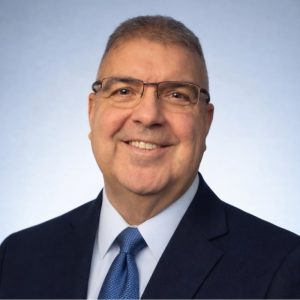 Frank Peck serves as Chief Pilot of the Omaha Police Department’s Air Support Unit, where he leads the department’s aviation and Drone as First Responder (DFR) operations. In this role, he oversees the integration of manned and unmanned aircraft to support patrol operations, critical incidents, search-and-rescue missions, and public-safety response across the Omaha region.
Frank previously served nearly 30 years with the Nebraska State Patrol, retiring as a Captain after leading the agency’s aviation unit for nearly two decades. During that time, he oversaw statewide airborne law enforcement operations and helped expand aviation capabilities supporting troopers in the field.
A commercial helicopter and fixed-wing pilot as well as an FAA Part 107 sUAS pilot, Frank brings extensive operational experience in airborne public safety missions. He is also a graduate of the FBI National Academy (Session 235) and serves as a regional leader with the Airborne Public Safety Association (APSA).
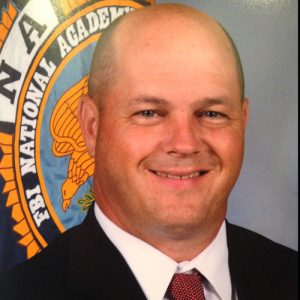 Kerry Neumann is a retired Deputy Chief of the Omaha Police Department with nearly three decades of law enforcement experience. During his tenure with OPD, he held a variety of operational and leadership roles, including overseeing specialized units and advancing the department’s use of technology to support public safety operations.
Following his retirement from law enforcement, Kerry joined SoundThinking, where he now serves as Director of Customer Success. In this role, he works closely with agencies across the country to help them successfully deploy and integrate public safety technologies that enhance situational awareness, investigative effectiveness, and operational outcomes.
Kerry is also a longtime adjunct professor of criminal justice, reflecting his continued commitment to education and public service.
Saving Lives and Improving Outcomes with Technology
2:00 PM TO 3:00 PM | ROOM 209 | JAIL OPERATIONS
Health care professionals and custody professionals work diligently as a team to deliver efficient and effective care to those in custody. Patients arrive at our facilities with untreated chronic health issues, mental health issues, and substance use disorders. Staffing for both custody and medical staff remain a challenge, and resources can be stretched thin as efforts are made to maintain custody and care. Over the past five to ten years, technologies have been introduced to supplement our efforts to deliver timely and effective care to those who need it most. This presentation will highlight some of the recent technological developments and how they can save lives and reduce adverse outcomes in our nation’s jails.
PRESENTER: Richard Forbus, VP of Program Development, CO Captain (Ret), NCCHC
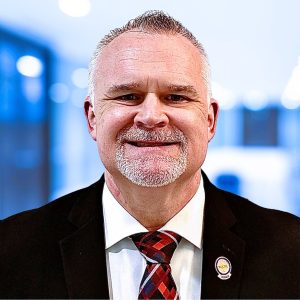 Richard Forbus, MBA-HCM, CCHP-A, is the Vice President of Program Development for the National Commission on Correctional Health Care (NCCHC). In his role, Mr. Forbus works with correctional health care and custody leaders to identify and access services to improve the delivery of medical and mental health care within their facilities. Mr. Forbus has over 30 years of experience in corrections, both in active service and consultant roles. Prior to his employment with NCCHC, he served for 25 years with the Las Vegas Metropolitan Police Department, retiring as a captain responsible for accreditation, training, academy, and policy and standards. He previously served as the sheriff-appointed jail administrator for the Clark County Detention Center. He is a Marine Corps veteran and served as a Military Police Corrections Specialist during his enlistment.
He holds an MBA in Health Care Management from Columbia Southern University, is an Certified Correctional Healthcare Professional – Advanced (CCHP – A), and was the recipient of 8 formal service awards during his law enforcement career, including multiple awards for the unit medal of valor, exemplary service, meritorious service, and a community service award for a nationally recognized re-entry program he developed.
Executive/Administrative Assistant Leadership Seminar
2:00 PM TO 3:00 PM | ROOM 210 | LEADERSHIP
Time Management
Prioritizing the goals of the Sheriff’s Office
Human Resources
PRESENTERS: Kimberly Bockin, Executive Assistant, Ocean County Sheriff’s Office, Anna Vandeven, Administrative Assistant, Mason County Sheriff’s Office
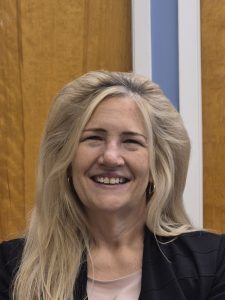 Kimberly A. Bockin, Executive Assistant, has proudly served the Ocean County Sheriff’s Office, New Jersey, for 40 years. Beginning her career as a Clerk Typist in 1986, she learned the foundational office operations from the ground up. She has witnessed incredible changes in the agency. She has been fortunate to serve for the last 13 years with Sheriff Michael G. Mastronardy, who has transformed the Ocean County Sheriff’s Office through his leadership, vision, and service to the Citizens of our County.
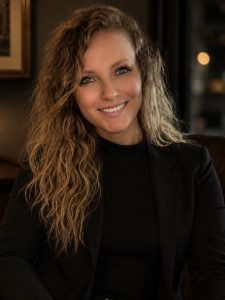 Anna Vandeven, Administrative Assistant, has proudly served the Mason County Sheriff’s Office for the past eight years. With many years of prior administrative experience, she has developed a strong foundation in office management, payroll, financial responsibilities, records administration, and customer service.
Throughout her career at the Sheriff’s Office, Anna has worn many hats, supported not only Sheriff Kim Cole and office staff but also assisted members of the public with professionalism and compassion. Her role has required adaptability, attention to detail, and a commitment to ensuring the office’s daily operations run efficiently.
As a single mother, Anna understands the importance of hard work, perseverance, and balancing competing responsibilities. She is proud to have served under Sheriff Kim Cole’s leadership and has been fortunate to witness many of the successes achieved during his tenure. Through his leadership, vision, and dedication to public service, Anna has learned valuable lessons that have shaped both her professional growth and her leadership journey.
Eyes in the Sky, Trust on the Ground: Why Sheriffs Must Lead the Drone Era
3:15 PM TO 5:15 PM | ROOM 205 | LAW ENFORCEMENT TECH
Sheriffs today face growing operational demands, expanding jurisdictional responsibilities, and increased expectations for transparency, accountability, and effective service delivery. In that environment, drones are no longer an emerging capability. They are becoming an essential tool for modern sheriff’s offices.
Drones are helping agencies improve response times, enhance deputy safety, expand reach across large and rural jurisdictions, strengthen situational awareness, and make better use of limited personnel and resources. They are also proving valuable in corrections settings through perimeter monitoring, facility security, incident response, and contraband awareness, and in border regions by supporting surveillance, interdiction efforts, and real-time operational intelligence.
This session will feature sheriffs with some of the most active and robust drone programs in the country, including Sheriff Michael Mastronardy of Ocean County, New Jersey; Sheriff Mark Wasylyshyn of Wood County, Ohio; and Sheriff Joseph Lopinto of Jefferson Parish, Louisiana, sharing how they are using drones to strengthen operations, improve safety, support corrections and border security missions, and deliver measurable value to their agencies and communities.
PRESENTERS: Sheriff Joseph Lopinto, Jefferson Parish Sheriff’s Office; Sheriff Mark Wasylyshyn, Wood County Sheriff’s Office; Sheriff Michael Mastronardy, Ocean County Sheriff’s Office; Dr. David Grantham (Moderator), CEO, Threat Management Group
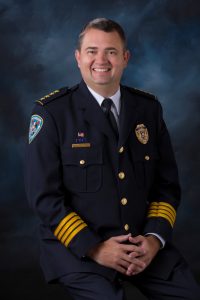 Joseph P. Lopinto, III, is the Sheriff of Jefferson Parish. He has served the Jefferson Parish Sheriff’s Office as Chief Criminal Deputy and Commander of Field Operations, Legal Liaison, Narcotics Detective, and Deputy. He joined the JPSO in 1997 as a recruit.
Sheriff Lopinto is a graduate of Brother Martin High School in New Orleans. He continued his education, earning an Associate’s Degree from Delgado Community College and a Bachelor’s degree in Criminal Justice from Loyola University. Upon completing his collegiate studies, he earned his Law Degree from Loyola University School of Law.
Sheriff Lopinto was elected to the Louisiana House of Representatives, where he served for nine years. During his tenure, he served as Chairman of the House Committee on the Administration of Criminal Justice.
He has been instrumental in educating his fellow law enforcement community members, serving as both a teacher and mentor at the Jefferson Parish Academy and with other Sheriffs and law schools throughout the state.
His professional accomplishments include work with the Louisiana Sheriff’s Association, the National Sheriff’s Association, the Gulf Coast High Intensity Drug Trafficking Area (HIDTA), the Major County Sheriffs of America, the Louisiana Commission on Law Enforcement and Administration of Criminal Justice, and the Jefferson Parish Homeland Security Committee.
He is a lifelong resident of Jefferson Parish. Joseph and his wife, Lauren, have twins, Joey and Lily.
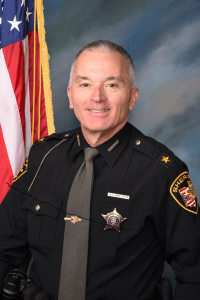 Mark Wasylyshyn has been the elected Sheriff of Wood County, Ohio, since January of 2005 and is the longest serving Sheriff in Wood County’s History. As the Sheriff, he is the chief law enforcement officer in the county, with additional responsibilities for managing the 264 bed county jail, 9-1-1 Dispatch Center, Special Response Team, Road Patrol, Detective Bureau, Sheriff Sales, issuing carry concealed weapons permits, registering and monitoring sex offenders, violent offenders, arsonists, courthouse complex security, and paper service for the Common Pleas Courts, protection orders for all the municipal courts in the county.
He supervises a staff of 132 full-time deputies and six part-time courthouse complex deputies, and is assisted by an auxiliary of 40 members who volunteer their time. His budget is over 11 million dollars a year.
Sheriff Wasylyshyn is currently the President of the Sheriff’s Standard Uniform and Car Marking Commission and has served on the board of directors of the National Sheriff’s Association since 2012, and is also a member of the Executive Committee of the National Sheriffs’ Association since 2020, while chairing several of the national committees, including: Outreach Committee, Drone Committee, and Future Conference Location Committee. He is an NSA committee member of the Governmental Affairs Committee, Court Security, Civil and Corrections Committee, Education and Awards Committee, Global Affairs Committee, and Homeland Security Committee.
Wasylyshyn was the President of the Buckeye State Sheriffs’ Association in 2017 and currently chairs the Image Enhancing Committee, serves on the Constitution and Bylaws Committee, Internal Affairs Committee, DARE/SRO Committee, Radio & Technology Committee, Legislative Committee, Nominating Committee, Education & Training Committee, and the Awards & Public Relations Committee.
Mark Wasylyshyn is a lifelong resident of Wood County. He is a life member of Saint Michael’s Byzantine Catholic Church and serves as trustee. He graduated from Rossford High School in 1979 and received a Bachelor of Arts degree from Hillsdale College in 1983. He is also a graduate of the Police Executive Leadership College and the National Sheriff’s Institute.
Wasylyshyn is an active member of Rotary and Kiwanis. He and his wife, Jenna, are the proud parents of twins, James and Catherine, born in 1999. The Wasylyshyn family resides on their farm in Webster Township.
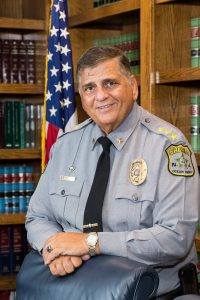 Michael G. Mastronardy brings 50 years of law enforcement experience to the Office of Ocean County Sheriff. He started his law enforcement career with the Berkeley Township Police Department in 1972. In 1974, the Sheriff became a Dover Township Police Officer and served for over 40 years until his retirement. While a Dover Township Police Officer, he was a Planning Officer, Explorer Advisor, and the Chief’s Administrative Assistant. Later on, he served as a Supervisor in Patrol, Communications, Jail, and the Detective Bureau. Having worked his way up the ranks of the Dover Township Police Department, Mastronardy was named Chief of the Department in November 1992. He served in that capacity for 22 years until his retirement on December 31, 2013.
Currently serving his 5th Term as Ocean County Sheriff, Mastronardy is responsible for preserving the peace and providing security for the judges, the courts, and the people who use them. He is responsible for the Ocean County Office of Emergency Management, Communications Division, Enhanced 911, the Criminal Investigation Unit, Criminalistics, Project Lifesaver, the Drone Unit, the Marine Unit, the Countywide Identification Program, the Child Passenger Safety Seat Program, and the Ocean County Police Academy. He provides K-9 support to all 33 municipalities, including bloodhounds for tracking missing people, bomb dogs, and drug dogs. The Sheriff, with his staff, has made many technological and operational improvements that have made the Ocean County Sheriff’s Office a leading public safety agency in the state. The Sheriff ensures the Ocean County Sheriff’s Office works with the Prosecutor’s Office and every public safety and emergency management partner to keep Ocean County safe.
Sheriff Mastronardy is the past president of the Ocean County Association of Chiefs of Police and the New Jersey State Chiefs of Police Association. He has served as a consultant to NOBLE (National Organization of Black Law Enforcement Executives) on cultural diversity issues and on the New Jersey Human Relations Commission. He is the past President of the Constitutional Officers Association of New Jersey. He is the Past President of the New Jersey Sheriff’s Association, and currently serves as 1st Vice President. He serves on the National Sheriff’s Association Executive Board as 2nd Vice President and is also the Chairman of the Technology Committee. In addition, he serves on the Board of Directors and as Vice President of the National Public Safety Cadet Program.
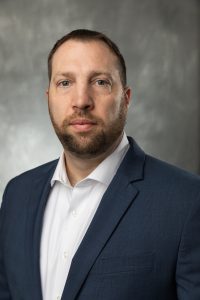 David A. Grantham, Ph.D., is the CEO of Threat Management Group – a small business providing elite threat mitigation training and mission support to public and private sectors — and also serves as a law enforcement advisor to Draganfly drones. Dr.
Grantham previously served as the Chief of Intelligence and Technology at the Tarrant County Sheriff’s Office and, before that, as a Special Agent with the Air Force Office of Special Investigations (AFOSI). Dr. Grantham holds a PhD from Texas Christian University and is the author of the award-winning Consequences: An Intelligence Officer’s War.
Conducting an Internal After-Action Review or Having an Independent Review
3:15 PM TO 4:15 PM | ROOM 206 | LEADERSHIP
When a critical incident occurs, the manner in which a law enforcement agency examines its own response can be just as consequential as the response itself. This seminar will explore the value and application of both internal after-action reviews (AARs) and independent external reviews for sheriff’s offices and law enforcement agencies. Internal AARs, when conducted with discipline and candor, offer agencies the opportunity to rapidly identify operational gaps, reinforce effective tactics, and build a culture of continuous improvement from within. Independent reviews, by contrast, bring credibility, objectivity, and community trust — particularly in high-profile or politically sensitive incidents where the perception of impartiality is essential to maintaining public confidence.
However, not every incident calls for the same approach, and one of the most critical decisions a sheriff executive will make in the aftermath of a significant event is selecting the right type of review. Choosing incorrectly can undermine the integrity of the process, expose the agency to legal or political risk, or fail to produce the actionable change the organization needs. This presentation will guide sheriff executives through a practical framework for evaluating incident circumstances, organizational capacity, community expectations, and legal considerations to determine when an internal AAR may be preferred, when an independent review is warranted, and how to structure either process for maximum effectiveness and accountability.
PRESENTERS: Chief (ret.) Humberto Cardounel, Senior Director, National Policing Institute, Sheriff (Ret.) Rich Stanek, Public Safety Strategies Group, LLC., Sheriff Michael Chapman, Loudon County, VA
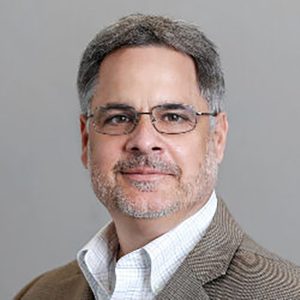 Humberto I. Cardounel, Jr., joined the National Policing Institute in 2022 and is the Senior Director of Training and Technical Assistance. He is a highly regarded and accomplished bilingual law enforcement executive with more than three decades of distinguished public safety service. Over his career, he successfully led a large, nationally accredited law enforcement agency, earning recognition for his commitment to integrity, innovation, and community trust.
Before joining the National Policing Institute, Humberto served nearly 32 years in law enforcement before retiring as the Chief of Police from the Henrico County (VA) Police Department in 2020. During his law enforcement career, he held many command and executive-level positions in Patrol, Criminal Investigations, Organized Crime, Special Operations & Homeland Security, Internal Affairs, Personnel, Training, and Accreditation. He also served on various local and state committees, including two appointments to Virginia Gubernatorial committees.
He brings vast experience in managing and modernizing core policing functions, including investigations, special operations, patrol, training academies, and internal affairs. He is widely recognized for implementing intelligence-led policing principles to enhance crime prevention and for building multidisciplinary investigative teams to reduce violent crime, spearheading internal affairs reforms, and advancing community policing strategies that strengthened relationships among law enforcement, prosecutors, and the communities they serve. Experienced in critical incident management, Humberto has directed operations for professional sporting events, large-scale public gatherings, presidential and dignitary visits, and high-profile mutual aid deployments. His law enforcement experience includes serving as a state-certified criminal justice instructor and as the director of an internationally accredited law enforcement training academy that provides basic, advanced, supervisory, and executive-level police training for local and regional law enforcement agencies.
As an international law enforcement accreditation assessor, he has led multiple assessments of law enforcement agencies both nationally and abroad, ensuring adherence to the highest standards of professional policing.
Today, Humberto serves on the senior leadership team at the National Policing Institute, where he oversees multiple training and technical assistance initiatives across a diverse portfolio of projects. His work includes leading after-action reviews, conducting functional assessments, providing training, supporting crime gun intelligence centers, implementing crime-reduction strategies, and advancing data-driven policing strategies.
Humberto has a Bachelor of Arts in Political Science and Spanish, with a minor in International Relations, from the University of Richmond (VA), and a Master of Public Administration from Virginia Commonwealth University. He is a graduate of the 221st Session of the Federal Bureau of Investigation’s National Academy, the F.B.I National Executive Institute, and the F.B.I. International Leadership in Counter-Terrorism Program; the Police Executive Research Forum’s Senior Management Institute for Police at Boston University; the Police Executive Leadership School of the Jepson School of Leadership at the University of Richmond; the Virginia Police Chiefs Foundation Institute for Leadership in Changing Times at Virginia Tech University; and the Leading, Educating and Developing Program of the Weldon Cooper Center for Public Service at the University of Virginia.
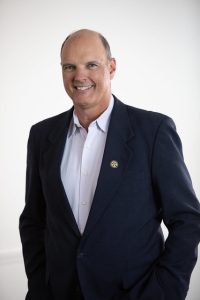 Rich Stanek is an internationally recognized expert in law enforcement, public safety, and corrections. While licensed as a police officer for more than four decades, Rich served as Minnesota’s Commissioner of Public Safety and Director of Homeland Security. He was elected Sheriff of Hennepin County, Minnesota, for three terms. Sheriff Stanek (Ret.) has led national, state, and local law enforcement agencies and is well known as an innovator and champion of the public safety mission; he is a published author, frequent conference speaker, and media guest.
Rich is the Principal Consultant and co-owner of Public Safety Strategies Group, LLC (PSSG), a national consulting firm providing subject matter expertise and services to public sector agencies and national and international firms. Rich works with executive-level leaders from small agencies to Fortune 500 companies, providing PSSG’s clients with a broad portfolio of services, including organizational and leadership studies and guidance, strategic planning, and information sharing. His focus areas include leveraging and developing new technology and relationship development.
Rich Stanek’s policy leadership has included service as Law Enforcement Senior Advisor to the Director of National Intelligence (DNI), the Secretary of the Department of Homeland Security (DHS), and the Director of the Federal Bureau of Investigation (FBI). He was an integral contributor to FirstNet, serving as a Board member for 6 years. Rich served as President of the Major County Sheriffs of America (MCSA), Vice President of the National Sheriffs Association (NSA), President of the Leaders in International Counterterrorism (LinCT), and President of the Minnesota Sheriffs’ Association (MSA). He continues his service to the law enforcement community and, on behalf of PSSG’s clients, his membership and work with national Public Safety and Corrections Associations, including the International Association of Chiefs of Police, National Policing Institute, Police Executive Research Forum, National Sheriffs’ Association, and Major County Sheriffs of America.
Sheriff Stanek’s legacy continues through his creation of the Hennepin County Sheriff’s Community Engagement Team, Jail Mental Health reforms, Violent Offender Task Force, Criminal Information Sharing & Analysis Unit, and construction of a new regional Communications Facility. He is acknowledged to have reduced violent crime across the county by 38% between 2007 and 2018. He was among the first in the nation to serve as Incident Commander under the revised National Incident Management System (NIMS) after the collapse of the 35W Bridge in Minneapolis in 2007.
Rich earned a Bachelor’s degree in criminal justice from the University of Minnesota and a Master’s degree in public administration from Hamline University. He has been married to Sally Stanek since 1984; they have two children and two grandchildren. He is an avid Minnesota outdoorsman and enjoys fishing, boating, hunting, snowmobiling, and ice fishing, even in below-zero temperatures.
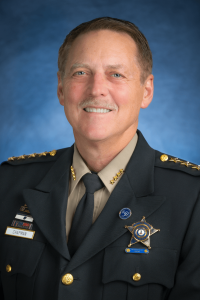 Mike Chapman was elected Sheriff of Loudoun County, VA, in 2011 and took office in January 2012. He was reelected to serve his fourth term in 2023. He was selected as the National Sheriffs’ Association Ferris E. Lucas “Sheriff of the Year” in 2023. He was voted “Best Public Servant” by readers of the Loudoun Times-Mirror in 2021, 2022, 2023, and 2024, and Favorite Public Servant in 2021, 2022, 2023, 2024, and 2025 by readers of Loudoun Now, the two newspapers serving Loudoun County.
Sheriff Chapman directs an $155M budget and operations for the largest Sheriff’s office in the Commonwealth of Virginia, which handles county-wide law enforcement, the jail, and the courts. The Sheriff’s Office employs approximately 700 sworn deputies and 200 civilian personnel. The Loudoun County Sheriff’s Office serves a population of 450,000 and an area of 519 square miles.
During his terms in office, Sheriff Chapman expanded the Drug Abuse Resistance Education (DARE) to include both Elementary and Middle Schools (named DARE Executive of the Year), enhanced media outreach, and, through his Step Up initiative, improved service, technology, efficiency, and professionalism. Sheriff Chapman initiated Crisis Intervention Team (CIT) training for deputies and dispatchers in 2012 – a program that leads the region for CIT Training. With federal counterparts and other stakeholders, he addressed the rapidly growing national and local heroin and opioid problem, and more recently has become laser-focused on fentanyl related poisonings.
Sheriff Chapman serves on the Board of Directors for the National Sheriffs’ Association and the DARE Law Enforcement Advisory Board . He served for five years as Vice President of Homeland Security for the Major County Sheriffs of America (MCSA) and was a two-time Chair of the Washington-Baltimore High Intensity Drug Trafficking Area Board. Sheriff Chapman graduated from the FBI National Executive Institute (NEI) and Law Enforcement Executive Development Association (LEEDA); the US Army War College – National Security (Certificate of Leadership Development); the National Sheriffs’ Institute, the Virginia Sheriffs’ Institute (VSI), Virginia Commonwealth University’s Sheriffs’ Institute, and earned the Virginia Department of Criminal Justice Services’ Executive Certification and received the VSI Certification. He has had numerous articles published in professional periodicals to include The Hill, International Chiefs of Police The Police Chief, FBI LEEDA Insighter magazines, and other publications.
Sheriff Chapman formerly worked for the Howard County Maryland Police Department in the Divisions of Patrol, SWAT and Criminal Investigations; and for the DEA where he directed all operations throughout the Far East, served as the Assistant Special Agent in Charge in San Francisco, CA; as DEA’s Chief of Public Affairs; as the Country Attaché for Seoul, Korea; as a Supervisor in McAllen, Texas; and in field assignments in Miami, Tampa, and Pakistan. Before his election, Sheriff Chapman worked as a Subject Matter Expert on the Global Security/Law Enforcement team with Booz Allen and Hamilton.
Sheriff Chapman is married to the former Ann Rafferty, and they have six children and eleven grandchildren. He has a Bachelor of Science in Business Management from the University of Maryland and a Master’s in Public Administration from Troy State University, Alabama.
ICE: A Sheriff’s Perspective
3:15 PM TO 4:15 PM | ROOM 207 | JAIL OPERATIONS
A town hall-style event to facilitate collaboration between sheriffs and the U.S. Immigration and Customs Enforcement. The goal is to improve information sharing, coordination, and trust while addressing common concerns and ensuring that approaches are lawful, ethical, and community-focused. How to navigate the Intergovernmental Services Agreement (IGSA) Process. From negotiation and implementation to Inspections, media relations, and NGO engagement.
PRESENTERS: Daniel Marquith, Former Deputy Chief of Staff for ICE Director, Sabot Consulting, Sheriff Rick Staly, Flagler, FL, Dir (ret.) Garrett Ripa, ICE Field Office
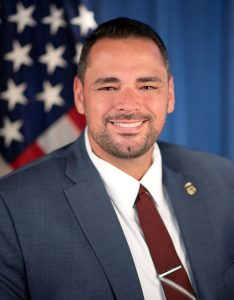 Daniel P. Marquith is a Senior Advisor and executive-level law enforcement expert with more than 20 years of experience leading public safety operations at the local and federal levels. Skilled in planning, organizing, and coordinating sensitive activities in conjunction with federal agencies, including DEA, DHS, Secret Service, and FEMA, he specializes in investigations, risk assessment, disaster response, security planning, and anti-terrorism. Of notable mention is Mr. Marquith’s assignment in 2004 to the Patrol Division and Sexual Offender Task Force as a Deputy Sheriff, and one of the founding members of this important task force. Mr. Marquith trained and commanded teams and established relationships with community, political, and agency-level stakeholders to achieve organizational goals.
His law enforcement career began when he was hired at the Hendry County, Florida, Sheriff’s Office. In 2002, Mr. Marquith relocated to the Florida Keys and accepted a position as a Deputy Sheriff with Monroe County Sheriff’s Office. He was ultimately transferred to the OSCEOLA Sheriff’s Department, where he served as an Aggressive Driving Deputy, DUI Investigator, DUI Instructor, and Drug Recognition Expert. The leadership team quickly recognized his strong knowledge of police operations and ability to build consensus. He would go on to receive a series of promotions that eventually led to him becoming a Captain. Under his leadership, the organization has delivered a double-digit reduction in crime, improved officer performance, and increased inter-agency collaboration with federal authorities.
After he retired from law enforcement, Mr. Marquith served as an Adviser to Congressman Darren Soto of Florida’s Ninth Congressional District in the U.S. House of Representatives. He entered nonprofit senior management as the Deputy Regional Executive Director at Mothers Against Drunk Driving, where he managed operations in Florida, Puerto Rico, and the Caribbean. While with MADD, he developed, implemented, and managed initiatives to reestablish the organization’s brand and increase victim services to those impacted by impaired driving. Mr. Marquith also oversaw MADD’s expansion into the Caribbean. He was instrumental in engaging with territorial leaders, resulting in the funding and hiring of five full-time employees for the first time in the organization’s history.
In October 2022, President Joseph R. Biden, Jr. announced Mr. Marquith’s appointment to his administration as Deputy Chief of Staff for U.S. Immigration and Customs Enforcement. Mr. Marquith currently serves as a Senior Advisor to the Office of the Director. He oversees engagement with our nation’s state, local, and tribal law enforcement agencies and leads a cabinet-level initiative supporting United States veterans.
Mr. Marquith is a former member of the National Sheriff’s Association and a former co-chair of the Florida Public Service Association. He continues his law enforcement service in Florida as a reserve Deputy Sheriff for the Seminole County (FL) Sheriff’s Office. He graduated from the College of the Florida Keys in 2002.
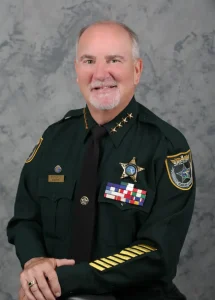 Sheriff Rick Staly is serving his third 4-year term as Flagler County Sheriff. He was first elected to the office of Sheriff in 2016 and was sworn in as the 18th Sheriff of Flagler County on January 3, 2017. Following his first term, he was overwhelmingly re-elected in 2020. Following his second term, he was re-elected unopposed in 2024, joining Sheriff Zip Edmonson in 1968 as the only incumbent Sheriff in agency history to be re-elected unopposed. As Sheriff, he leads a workforce of more than 400 employees and volunteers, with a budget of over $ 48 million.
Sheriff Staly holds a master’s degree in Justice Administration from the University of Louisville and a bachelor’s degree in Criminal Justice from Rollins College. Sheriff Staly is a graduate of the 177th Session of the FBI National Academy, the 79th Session of the FBI LEEDS Program, and the Southern Police Institute’s 79th Administrative Officer’s Course. He is also a graduate of the 112th Session of the National Sheriff’s Institute and Session 2 of NSI’s Jail Administration, making him the first Sheriff in Flagler County to graduate from the NSI.
Sheriff Staly is the past president of the Florida Deputy Sheriffs Association. During his tenure as president, he led FDSA through its fastest period of membership growth, making it the largest Deputy Sheriffs Association in the United States. He has served as board chair of the Florida Sheriffs Association and is currently an officer. Sheriff Staly is the past board chair of the Florida Sheriffs Youth Ranches. He previously served as board chair of the Florida Commission on Florida Law Enforcement Accreditation, where he served a 6-year appointment. In 2023, Sheriff Staly was appointed by the Florida Commissioner of Agriculture to the Florida Private Investigation, Recovery and Security Advisory Council as the law enforcement representative. Sheriff Staly serves as chairman of the Flagler County Public Safety Coordinating Council.
Sheriff Staly has been awarded lifetime memberships in the National Sheriffs’ Association, International Association of Chiefs of Police, Southern Police Institute Alumni Association, Florida Sheriffs Association, FBI National Academy Associates, and the Florida Police Chiefs Association. He is also a lifetime member of the National Rifle Association (NRA).
Sheriff Staly is an active member of the local community. He is on the Board of Directors for the Boys and Girls Clubs of Volusia/Flagler Counties. He is the Past President of the Rotary Club of Flagler County and of Crimestoppers of Northeast Florida. He is also a member of the Volusia-Flagler Police Chiefs Association, the B.P.O.E. Elks of Palm Coast, Bunnell Lodge No. 200 F&AM, and the Flagler County Gun and Archery Club.
Sheriff Staly and his wife, Debbie, are members of Flagler Beach United Methodist Church and live in Bunnell. Sheriff Staly has two grown daughters, Lauren and Diana, and three grandchildren, Aiden, Lexi, and Adalynn.
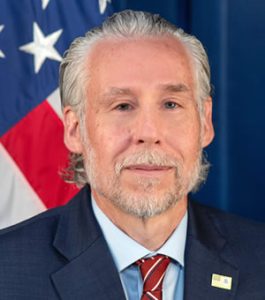 Garrett John Ripa is a retired federal law enforcement executive with nearly three decades of experience in immigration enforcement, public safety operations, and field leadership. He most recently served as Field Office Director for U.S. Immigration and Customs Enforcement, Enforcement and Removal Operations’ Miami Field Office, where he oversaw operations across Florida, Puerto Rico, the U.S. Virgin Islands, and the Migrant Operations Center in Guantanamo Bay, Cuba.
Mr. Ripa began his federal career in 1996 with the U.S. Immigration and Naturalization Service as a Detention Enforcement Officer in Miami, Florida. He was later promoted to Deportation Officer and continued to rise through the ranks following the creation of the Department of Homeland Security and ICE. Throughout his career, he held several leadership roles, including Supervisory Detention and Deportation Officer, Assistant Field Office Director, Deputy Field Office Director, and Senior Executive Service member.
During his career, Mr. Ripa earned recognition for his work with ICE Attaché Offices, Fugitive Operations teams, and nationally recognized programs supporting enforcement and removal operations. As Assistant Field Office Director, he also served as the Union Liaison for the Miami Field Office, representing management in union relations and negotiations.
Mental Health in Rural Jails: Low-Cost Strategies for High-Impact Change
3:15 PM TO 4:15 PM | ROOM 208 | RURAL & SMALL AGENCY
Rural jails face distinct challenges in supporting individuals with mental health needs, including limited access to services, minimal staff training, geographic isolation, and persistent stigma. This presentation explores practical, low-cost interventions that correctional facilities can implement to improve mental health outcomes and foster a more therapeutic environment. Drawing on principles of environmental psychology and behaviorism, I will highlight strategies such as creating garden spaces, promoting healthy sleep and activity routines, enhancing staff communication skills, and shifting from punitive to reward-based behavioral models. Attendees will gain actionable insights to help build a culture of care and resilience within their facilities—regardless of budget constraints.
PRESENTER: Dr. Deanna Dwenger, Chief Behavioral Health Advisor, Elevatus Architecture
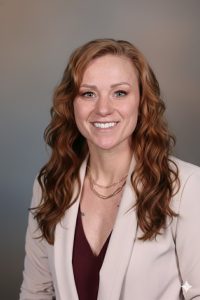 Dr. Deanna Dwenger knows what it’s like to walk the tiers. She spent over a decade inside the Indiana Department of Correction, from serving as a prison psychologist to leading the state’s most acute mental health unit, and ultimately directing behavioral health for all Indiana prisons. She’s worked alongside custody staff, written policies that changed operations, and testified in courtrooms and legislatures.
Today, as Chief Behavioral Health Advisor at Elevatus Architecture, she helps sheriffs and correctional leaders design facilities that support safety, wellbeing, and rehabilitation—because she’s seen firsthand how the right environment can change lives on both sides of the bars.
Combating Transnational Criminal Organizations: Practical Tools, Training, and Strategic Approaches for Local Law Enforcement
3:15 PM TO 4:15 PM | ROOM 209 | FUTURE OF LAW ENFORCEMENT
Transnational criminal organizations (TCOs) continue to expand their footprint within the continental United States, posing significant challenges to public safety and community stability. Agencies are increasingly encountering cartel-linked activity ranging from drug trafficking and financial crime to intimidation, violence, and exploitation of vulnerable populations. This seminar highlights resources to support investigations, officer safety, and multi-agency coordination. Attendees will be introduced to the Collaborative Reform Initiative Technical Assistance Center’s (CRI‑TAC) TCO Training Program and learn how to request customized, no-cost assistance to strengthen response efforts and partnerships at the local, state, and federal levels.
PRESENTERS: Deputy Chief Mitch Cunningham (ret.), Chief Law Enforcement Advisor, National Sheriffs Association, Dylan McGrath, Project Manager, IACP, Assistant Chief Thomas Pedersen, Intelligence Division, US Border Patrol Headquarters, Sheriff Tyler S. Brown, Arapahoe County, Colorado Sheriff’s Office
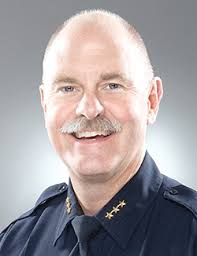 Deputy Chief Mitch Cunningham (ret.) has been a police officer for 40 years, most recently as Deputy Chief of the Wilmington, North Carolina, Police Department, retiring in 2019 and remaining as an auxiliary officer. Before that, he was a police officer for the Montgomery County Department of Police in Maryland from 1985-2012. There, he started several crime-fighting initiatives, including the first Career Criminal Unit, the first regional auto theft team, and started the regional data sharing system NCR LInX, in the National Capitol Region, which connects hundreds of police agencies, leading to countless arrests and supporting anti-terrorism efforts in the wake of 9-11.
After being selected as Deputy Chief of the Wilmington (North Carolina) Police Department in 2012, he launched several successful efforts to reduce gang violence plaguing the city. He also started the agency’s first Peer Support team, created a college scholarship fundraiser -Send a Cop to College- to assist with the professionalization of its future leaders, and initiated several leadership, crime-fighting, and morale-building efforts. Wilmington, North Carolina, was designated as the city with the worst opioid crisis, so it implemented several initiatives to address this, including being the second program in North Carolina that outfitted WPD officers with naloxone. He also began the LEAD program, a pre-arrest diversion program that brought public safety and public health officials to work together to reduce the impacts of opioids. He was also a founder of the Quick Response Team that ensured those who overdosed received care within 72 hours. He was selected to serve on the NC Attorney General’s Task Force on Opioids.
He is a certified training instructor who worked as a law enforcement training coordinator at Cape Fear Community College and taught at the University of North Carolina at Wilmington and Louisiana State University.
He is currently the Chief Law Enforcement Advisor for the National Sheriffs’ Association. In this role, he provides technical support to clients across the country on a variety of topics and needs. He also serves on the advisory board of PTACC, a police and treatment community consortium. He writes articles and reports on innovations in law enforcement that assist in successful opioid response strategies.
He is also an accreditation SME for IADLEST, the International Association of Directors of Law Enforcement Standards and Training.
He was previously a member of Big Brothers Big Sisters of the National Capitol Region and is currently the Vice Chairman of the Board for Soaring as Eagles, a community outreach nonprofit serving families of Title I schools. He is also a founding member of the Carolina Beach Police Foundation and serves on its board.
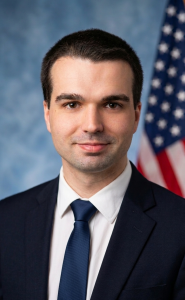 Dylan McGrath is a Project Manager at the International Association of Chiefs of Police (IACP), where he supports the Collaborative Reform Initiative Technical Assistance Center (CRI-TAC), a U.S. Department of Justice Office of Community Oriented Policing Services (COPS Office)-funded program. His work at the IACP has included promotional testing, executive searches, agency assessments, and technical assistance initiatives supporting law enforcement agencies and local governments nationwide.
Prior to joining the IACP in 2023, Dylan served as an AmeriCorps VISTA member with a nonprofit organization focused on helping law enforcement agencies address the opioid crisis. He earned a bachelor’s degree with honors in Politics and International Relations from the University of Southampton in the United Kingdom.
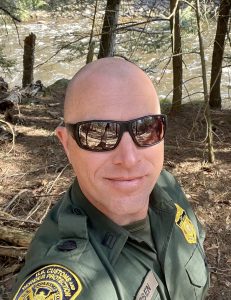 Assistant Chief Pedersen has over 18 years of experience with the US Border Patrol. He has worked along both the Southern and Northern borders, and served in a variety of intelligence roles, including positions at the CBP National Targeting Center, US Special Operations Command, and as a Task Force Agent with the FBI in San Diego, CA.
Agent Pedersen currently serves as an Assistant Chief with the Intelligence Division at US Border Patrol Headquarters, where he oversees the National Gang Unit and intelligence related to all Transnational Criminal Organizations with a nexus to our borders.
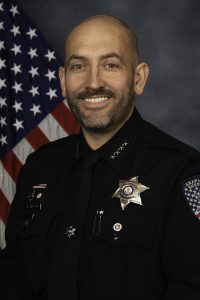 Tyler S. Brown was elected Sheriff of Arapahoe County by the citizens of Arapahoe County, effective January 8th, 2019.
As Sheriff, Tyler has the responsibility for the overall operation of the Arapahoe County Sheriff’s Office and the 850 members who are proud to serve the community. As a full-service sheriff’s office, the major functions and operating components include patrol, detentions, investigations, dispatch, budget, emergency management, human resources and professional standards.
Bachelor of Science Degree, Political Science – Eastern New Mexico University. Graduate of the 89th Session of the Senior Management Institute for Police.
Tyler began his career in law enforcement in 2007 as a civilian Code Enforcement Officer with the City of Aurora. In January 2009 Tyler attended the Adams County Sheriff’s Office Basic Academy. After graduating the academy, Tyler became a Police Officer with the City of Northglenn and then went on to work for the Aurora Public School District as a Campus Safety Officer. Following his service to the Aurora Public School District, Tyler served the citizens of the Town of Mountain View as a Patrol Officer.
Tyler sits on the Board of the Unified Metropolitan Forensic Crime Lab; Co-Chair of the Highlands Ranch Law Enforcement Training Foundation (Facility); Chair of the Centennial Public Safety Advisory Committee; the Board of the Arapahoe County Justice Coordinating Committee; and is on the Jail Based Behavioral Services steering committee. Tyler has served as the President of the County Sheriff’s of Colorado and is currently the Region 2 representative for the Major County Sheriff’s of America.
Tyler is married with two children. Personal interests include: traveling with the family, being a professional chauffeur for his daughters’ activities and spending time as a family. When time allows Tyler also enjoys golfing, baseball, and running. Tyler and his wife Kimberly, who is a school teacher in the county, are committed to serving the citizens of Arapahoe Count
Normative Detention Environments: How Well Do They Actually Work?
3:15 PM TO 4:15 PM | ROOM 210 | JAIL OPERATIONS
This session features a discussion with social researchers, operational leadership, and an architectural planner, all of whom have experience designing, researching, and working in normative detention environments. Join us to hear about the impacts of these spaces on detainee and staff well-being and safety, the logistics of running such facilities, and best practices for designing these spaces.
PRESENTERS: David Bostwick, Justice Consultant, HDR; Chief Deputy Geoff Stobart, Franklin County Sheriff’s Office; Lucy Easley, Facility Administrator, Behavioral Care Center, Davidson County Sheriff’s Office; Francesqca Jemenez, Social Scientist
 David is a justice consultant with HDR. David specializes in strategic master planning, needs assessments, programming, and design of criminal justice facilities, especially jails. He has been involved in over 100+ justice planning and design projects in his 36-year career. His passion is helping clients achieve their goals through thoughtful, structured processes during the pre-design and design phases of projects.
David currently serves as a Technical Resource Provider and instructor on jail planning and design for the National Institute of Corrections (NIC), US Department of Justice. In addition, David’s articles on jail planning and design have been published in industry journals, including American Jails, Correctional News, and Sheriff Magazine.
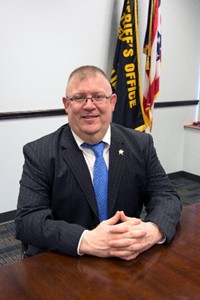 Chief Deputy Geoff Stobart is the Chief Deputy of Corrections, Research, Development, and Major Projects for the Franklin County Sheriff’s Office, Columbus, Ohio. With a career spanning over 35 years, Chief Stobart has gained wide and deep experience within the Sheriff’s Office. He manages the Office’s largest division and is responsible for the custody and care of more than 2,000 inmates in Franklin County’s two jails. He has been assigned to every Division of the Office, supervising Patrol, Community Relations, Internal Affairs, and Investigations.
Chief Stobart obtained a Graduate Certificate in Management Development from the School of Industrial and Labor Relations of Cornell University and is a graduate of Northwestern University’s School of Police Staff and Command. He serves on the Franklin County Re-Entry Coalition and the Franklin County Criminal Justice Planning Board. He is a member of the Ohio Attorney General’s Task Force on Criminal Justice and Mental Health, Co-Chairing the Best Practices and Mental Health for Jails Training committee, and sits on the Board of the Ohio Justice Alliance for Community Corrections. He serves on the National Sheriff’s Association Jail and Detention Committee and sits on the Advisory Board for the National Sheriff’s Association Center for Jail Operations.
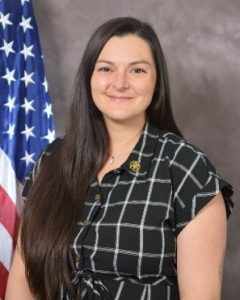 Lucy Easley is a Licensed Professional Counselor and Mental Health Service Provider (LPC MHSP) in the state of Tennessee. She became interested in mental health from a young age as she watched the challenges some of her loved ones faced while navigating the world with serious and persistent mental illness. This interest grew further when she was working as a pharmacy technician in 2009, just as the nation’s opiate crisis was rapidly developing. She received her undergraduate degree in psychology from Murray State University and her Master’s degree in Clinical Mental Health Counseling from the University of Tennessee at Chattanooga. She has experience working with residential treatment programs and nonprofits across Tennessee, providing community mental health services.
Lucy began working in corrections in 2020. She now serves as the Facility Administrator at the Behavioral Care Center (BCC), a state-licensed residential treatment program within the Davidson County Sheriff’s Office. The BCC provides short-term mental health and substance abuse treatment to individuals who are currently incarcerated. She and her team have worked diligently to decriminalize mental illness in Davidson County.
Mission Ready, Always: The Strategic Case for Agency-Wide eLearning
4:30 PM TO 5:30 PM | ROOM 206 | Recruitment, Retention, and Training
Like all law enforcement, sheriff’s offices may struggle to balance rising training and community safety demands against limited staffing and funding. Better-trained deputies have a stronger understanding of the “why” behind their agencies’ approaches, are more confident in their work, and can lead to fewer citizen complaints. However, traditional training models often force a choice between operational readiness and professional development, leading to critical gaps in agency compliance. This session demonstrates how strategic eLearning eliminates this trade-off by delivering high-frequency, verifiable training that fits into the rhythm of active duty, allowing agencies to train their deputies on a range of topics without having to backfill shifts or pay overtime, and focusing training dollars and time on subjects that must be taught in person. Participants will learn how to leverage immediately available, no-cost eLearning resources provided through the U.S. Department of Justice, Office of Community Oriented Policing Services (COPS Office) and the National Center for Policing Innovation (NCPI) to maximize training budgets and ensure every deputy—from patrol to command—is mission-ready at a moment’s notice.
PRESENTERS: Jeremy Kommel-Bernstein, Policy Analyst, United States Department of Justice, Office of Community Oriented Policing Services; Sheriff Todd Delain, Brown County Sheriff’s Office (Wisconsin); Jessica Huff, Instructional Technology Specialist, National Center for Policing Innovation; Sergeant Casey Freund, Hot Springs County Sheriff’s Office
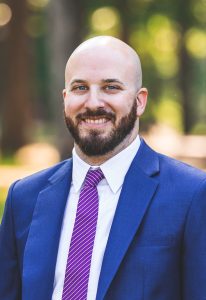 Jeremy Kommel-Bernstein is a Policy Analyst with the Department of Justice’s Office of Community Oriented Policing Services, where he oversees the COPS Training Portal, develops new training policies, and manages grant programs providing funds for a variety of law enforcement-focused issue areas.
Prior to joining the COPS Office, Jeremy served as an immigration officer, including training officers to conduct humanitarian-related interviews. During and for several years after college, he worked in law enforcement in Massachusetts. He holds degrees from the University of Massachusetts and Missouri State University.
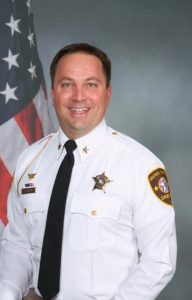 Todd Delain has been the Sheriff of Brown County (Wisconsin) since January of 2019. In 1990, he began his service in the United States Army as a Counterintelligence Special Agent. While in the Army, he was deployed for the Persian Gulf War and Operation Uphold Democracy in Haiti. In 1995, he completed his Army enlistment and accepted a position as a Correctional Officer for the State of Wisconsin. In 1996, he was hired by the Brown County Sheriff’s Office. As a member of the Brown County Sheriff’s Office, he has held numerous positions, including the Chief Deputy (#2 In-Command) for eight years before being elected Sheriff.
He has an Associate’s and a Bachelor’s Degree in Criminal Justice and a Master’s Degree in Management and Organizational Behavior. He has a Graduate Certificate of Achievement in Criminal Justice from the University of Virginia. He is a graduate of the FBI National Academy, 252nd Session, and the Department of Homeland Security Leadership Academy, 15th Session, and has completed the Penn State University Police Officer Executive Development Program. Additionally, he has completed the Missing Children’s Seminar and Exploited Children Seminar for Chief Executives at the National Center for Missing & Exploited Children in Alexandria, Virginia.
Sheriff Delain is a Past President of the FBI National Academy Associates – Wisconsin Chapter. Currently, Sheriff Delain is the President of Badger State Sheriffs’ Association and Chairperson of the State of Wisconsin Law Enforcement Standards Board.
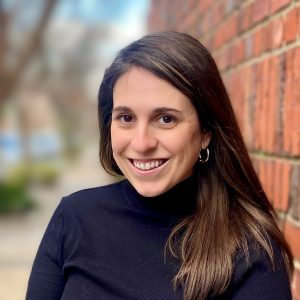 As an NCPI Instructional Technology Specialist, Jessica Huff works to both develop and deliver engaging web-based training and resources for public safety nationwide. Since joining the team in 2023, Jess has developed courses from start to finish: researching existing literature and the latest innovations; collaborating with subject-matter experts nationwide; and creating technology-enhanced, engaging, and effective web-based learning experiences. In addition to developing these resources, Jess also works to ensure their delivery by supporting NCPI’s learning management systems and web-based training platforms.
With over 10 years of experience in instructional design in public schools, both in a classroom setting and supporting her colleagues in their use of technology resources, as well as the private sector, Jess has designed content for many unique learning audiences and experiences. Jess holds certifications in web-based accessibility and user experience, and has a bachelor’s degree from Virginia Commonwealth University.
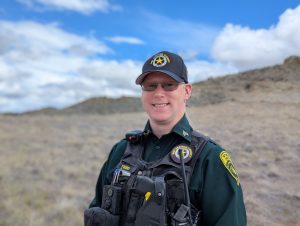 Casey Freund graduated with an Associate of Applied Science in Law Enforcement from Alexandria Technical and Community College (MN) in 2011 and a Bachelor of Science in Law Enforcement with a minor in Computer Forensics from Metropolitan State University (MN) in 2013. He has over 9 years of sworn law enforcement experience, with 7 of those years serving at the Hot Springs County Sheriff’s Office (WY).
Casey has served as Patrol Sergeant since 2022, managing the department’s four-person patrol unit. Casey is the department’s Training Coordinator and is POST-certified as an instructor for firearms, Taser, aerosol chemical agents, and technology. As part of this role, Casey works directly with Wyoming POST to ensure his department’s training is approved and logged correctly.
Partnering with Coinbase: Tackling Crypto Crime
4:30 PM TO 5:30 PM | ROOM 207 | CYBER SECURITY
This session will provide an in-depth look at how law enforcement agencies can collaborate with Coinbase during cryptocurrency investigations. The presentation will feature a case study highlighting Coinbase’s efforts to identify and escalate high-impact social engineering scams and home burglary and theft cases to law enforcement, showcasing our commitment to protecting victims and combating criminal activity.
PRESENTER: Sandy Fernandez, Senior Investigator, Global Intelligence, Coinbase, Inc.
 Sandy Fernandez, a Global Intelligence Senior Investigator at Coinbase, Inc., plays a crucial role in combating cryptocurrency crimes and conducting blockchain analysis. Since joining Coinbase in early 2018, Sandy has been on multiple “Tours of Duty,” contributing significantly to the Security, Talent, and Trust & Risk organizations. Her diverse experiences include hiring exceptional university graduates, enhancing user and employee safety, and scaling Coinbase’s operations.
As a graduate of San Diego State University with a B.A. in International Security, emphasizing Justice within the Global System, Sandy brings a wealth of knowledge of international crime to her role. With Coinbase, she investigates suspected criminal activities, such as account takeovers, sex trafficking, terrorist financing, money laundering, and scams, collaborating closely with law enforcement to elevate and support ongoing investigations. In essence, Sandy is at the forefront of safeguarding Coinbase’s security and integrity in the ever-evolving global financial landscape.
Optimizing Jail Staffing: Practical Strategies to Reduce Overtime and Improve Safety
4:30 TO 5:30 PM | ROOM 209 | JAIL OPERATIONS
Staffing shortages, rising overtime costs, and increasing operational demands are challenges facing jails across the country. This presentation will provide sheriffs and jail administrators with a practical overview of how a professional staffing analysis can identify structural inefficiencies, optimize post-deployment, and improve workforce stability without compromising safety.
Drawing on real-world correctional assessments conducted in large state systems and county jails, this session will highlight proven methodologies for evaluating posts, validating staffing levels, and aligning staffing patterns with actual operational needs. Participants will learn how agencies have used staffing analysis to reduce unnecessary overtime, improve shift coverage, strengthen supervision, and support long-term workforce planning.
The session will also discuss common hidden drivers of overtime and staffing stress and provide practical steps sheriffs can take to begin evaluating their own staffing structures.
PRESENTERS: Tracy Johns, Subject Matter Expert, Creative Corrections; Christopher Bergan, Assistant Program Manager, Creative Corrections
 Tracy Johns is a senior corrections professional with more than 40 years of experience in institutional security, correctional operations, staffing analysis, and emergency preparedness. He serves as a Subject Matter Expert for Creative Corrections, supporting correctional staffing analysis and operational assessment projects for state, county, and contract detention systems nationwide. His recent work includes staffing analysis projects for the Maryland Department of Public Safety and Correctional Services, New York State Department of Corrections and Community Supervision, Milwaukee County Detention, and Hidalgo County Detention.
Prior to his consulting work, Johns held multiple leadership positions within the Federal Bureau of Prisons and contract detention facilities, including Warden, Associate Warden, Captain, and Correctional Services Administrator. Throughout his career, he has led large-scale correctional operations, supervised institutional security programs, developed operational policies, and managed emergency preparedness and incident response initiatives.
Johns also serves as a Subject Matter Expert for the ICE Office of Detention Oversight, conducting nationwide inspections of detention facilities and evaluating compliance with federal detention standards. He specializes in correctional staffing analysis, security operations, roster management, and operational risk assessments that help correctional agencies improve safety, operational efficiency, and workforce effectiveness.
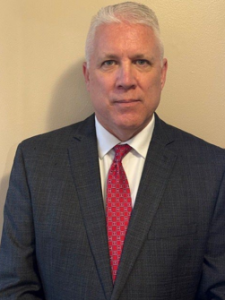 Christopher Bergan is a senior corrections professional with more than 30 years of experience in institutional security, correctional operations, emergency preparedness, and staffing analysis. He serves as Assistant Program Manager at Creative Corrections, where he leads correctional staffing analysis and operational assessment projects for state and local correctional systems.
Before joining Creative Corrections, Bergan held several leadership roles within the Federal Bureau of Prisons, including serving as Captain at the Federal Correctional Complex Allenwood, where he supervised more than 140 staff members and managed daily security operations. He also served in the Bureau of Prisons Central Office as an Emergency Management Specialist, coordinating national crisis-response activities and emergency-preparedness initiatives.
Bergan also serves as a Subject Matter Expert for the ICE Office of Detention Oversight, conducting inspections of detention facilities nationwide and evaluating compliance with federal detention standards.
He specializes in correctional staffing analysis, security operations, and operational risk assessments that help correctional agencies improve safety, strengthen workforce stability, and enhance operational efficiency.
30 Years of Service. 30 Seconds to Lose It: Leading Through the First 72 Hours of a Modern Crisis
4:30 PM TO 5:30 PM | ROOM 210 | LEADERSHIP
You’ve invested decades protecting your community.
A crisis can put all of it at risk in 30 seconds.
When crisis impacts your community, whether a violent protest erupts, a mass shooting occurs, a natural disaster overwhelms your community, or other crises emerges the first minute’s matter—not just operationally, but publicly.
PRESENTERS: Mark Pfeifle, Founder, Off the Record Strategies, Mark Albert, CEO, Media Advisory Experts, Kimberly Starks
 Mark Pfeifle is a former White House Deputy National Security Advisor for Strategic Communications and Global Outreach. He is the founder of Off the Record Strategies in Washington, D.C.
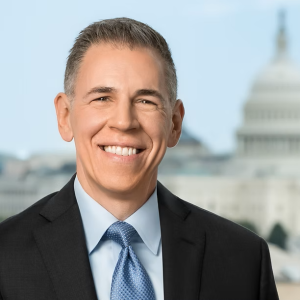 Mark Albert is a Peabody and Emmy award-winning former investigative journalist and founder of Media Advisory Experts in Washington, D.C. His career includes reporting as a correspondent for CBS News and Hearst Television.
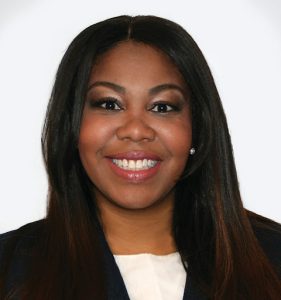 Kimberly M. Starks, APR, is founder of Blue Scorpion Reputation Management in Atlanta and a former journalist and public relations executive.
Pfeifle, Starks, and Albert are partners in Public Safety Media Strategies, providing crisis communications, media training, and strategic communications support for law enforcement and public safety organizations. For assistance, visit www.pubsafemedia.com.