
MONDAY, JUNE 8, 2026 SEMINAR SESSIONS
From Roadside to Courtroom: Mental Health and Impaired Driving
8:00 AM TO 9:00 AM | ROOM 205 | Traffic Safety
This session provides a comprehensive understanding of the intersection between mental health and impaired driving. Participants will learn how mental health disorders, trauma, and co-occurring substance use can influence impaired driving behavior, decision-making, and recidivism. Researchers, law enforcement officers, prosecutors, clinicians, judges, and probation staff will encourage justice partners to abandon a one-size-fits all approach to impaired driving in favor of evidence based practices and the use of comprehensive mental health screening and assessment in the criminal justice setting to identify DUI offenders who have substance use and/or mental health disorders that require intervention, all in an effort to reduce recidivism.
PRESENTERS: Chris Konschak, Senior Director, Traffic Safety and Government Relations; Mary K. Huffman, Judge, American Bar Association Judicial Fellow; and Officer Mike Thomas, Spokane, Washington Police Department
 Chris is an impaired driving and traffic safety professional and lawyer with over 35 years of proven experience and leadership success in strategy capacity building, legislative and judicial outreach, media relations, and management of mission-driven program initiatives.
He joined Responsibility.org in 2020 and works with both the Traffic Safety and Government Relations teams. Key responsibilities for Chris include managing the Responsibility.org Judicial Advisory Board, leading educational efforts on the link between impaired driving and mental health disorders, serving as the lead on the Computerized Assessment and Referral System (CARS), and guiding responses to state legislation in all 50 states and the District of Columbia.
Chris began his career as a Congressional Aide to Senator Alan Cranston and later transitioned to the Virginia Federation of Communities for Drug-Free Youth. He also worked within Virginia’s political and criminal justice systems in a variety of capacities. Chris has devoted his life and career to serving others and working to prevent drunk and drugged driving.
Prior to joining Responsibility.org, he served as Virginia’s Director of Mothers Against Drunk Driving. Under his 17 years of leadership there, he built, maintained, and expanded relationships with Virginia legislators, law enforcement, prosecutors, and a myriad of traffic safety partners. While working with DUI victims and the media, his team developed a successful “Victim Stories” campaign across multiple platforms, reaching over 96 million people. He also guided efforts for 6 years to pass Virginia’s mandatory ignition interlock law for all DUI convictions.
Chris has a Juris Doctorate from Howard University School of Law and a Bachelor of Arts in Political Science and Speech Communications from the University of Richmond. He resides in Richmond, VA, with his family.
 Kate Huffman served for twenty-one years as a General Division Judge on the Montgomery County Common Pleas Court and was elected to the Second District Court of Appeals in 2022. During her trial court tenure, she presided over the Drug Court and the Women’s R.I.S.E. court at various times.
Judge Huffman received her B.A. in political science from Wright State University and her J.D. from the University of Dayton School of Law, and an M.A. in Judicial Studies from the University of Nevada; she earned a Certificate in Judicial Development General Jurisdiction Trial Skills and a Certificate in Judicial Development Dispute Resolution Skills from the National Judicial College.
Judge Huffman is a member of the Innovative Specialized Docket Committee and the Criminal Law and Procedure Committees of the Ohio Judicial Conference. She recently served two terms on the Board of Trustees of the Ohio Judicial College. Judge Huffman completed two terms on the Commission for the Rules of Practice and Procedure of the Ohio Supreme Court and served as Chair of that Commission from 2021 to 2022.
She recently chaired the Ohio Supreme Court Task Force to Examine Ohio’s Bail System. Judge Huffman teaches as an adjunct faculty member at the University of Dayton School of Law and as a faculty member at the National Judicial College. She currently serves as the American Bar Association Judicial Fellow, providing peer-to-peer training on a variety of topics associated with impaired driving.
 Mike Thomas has worked as a Police Officer for the past 28 years. Much of his career has focused on impaired driving, serious injury, and fatal collision investigations. As Washington State’s most experienced Drug Recognition Expert, he has spent the past 25 years working with individuals who have struggled with Substance Use Disorder.
He has worked in the Spokane Municipal DUI Therapeutic and Accountability Court since 2019. While working as part of the DUI Court, Mike works with the community’s highest-risk/high-needs individuals. As a team, they guide and assist them in making lifelong changes so they can be successful in recovery, thereby making communities safer.
Mike is currently a DUI Officer, Drug Recognition Expert, and Motor Officer assigned to the Spokane Police Department’s Traffic Unit. He is the D.R.E. Region-4 Coordinator, D.R.E. Instructor, and currently holds a position on the Washington State Traffic Safety Commission’s D.R.E. Advisory Board. He is also currently SPD’s Impaired Driving Training Coordinator.
Leadership Under Pressure: Strategic Decision-Making for Today’s Sheriffs
8:00 AM TO 9:00 AM | ROOM 206 | LEADERSHIP
This session addresses real-world challenges facing sheriffs and command staff, including high-risk decision-making, multi-agency coordination, crisis leadership, accountability in the public eye, and maintaining operational discipline in evolving threat environments.
Participants will gain actionable leadership tools rooted in street-level experience and executive governance responsibility — equipping them to strengthen agency performance, manage risk proactively, and lead with credibility in today’s demanding public safety climate.
PRESENTER: Dexter Cunningham, Chief Operating Officer, DW-Enterprises
 Dexter W. Cunningham is a seasoned public safety leader and current Pension Board Trustee with more than three decades of experience in law enforcement, risk management, and executive security leadership. A retired Police Detective Sergeant from the City of Birmingham Police Department, Mr. Cunningham served with distinction for 27 years, including extensive work in narcotics enforcement and federal task force collaboration.
Following his retirement from active police service, he continued his leadership in public safety, serving as Director of Public Safety and Security Manager for major institutions, including Children’s of Alabama. In these roles, he oversaw operations, conducted risk assessments, managed large security teams, and implemented high-level safety protocols for medical and public environments. Mr. Cunningham currently serves as a Trustee on the Retirement & Relief Pension Board, where he plays a critical role in overseeing the stewardship of more than $1.2 billion in pension assets. His financial oversight includes investment strategy, fund allocation, and safeguarding the retirement security of city employees and retirees.
A U.S. Navy veteran and active civic leader, Mr. Cunningham is deeply involved in anti-violence initiatives and community safety planning. He is also a lifetime member and former president of the Fraternal Order of Police, Birmingham Lodge #1. Mr. Cunningham holds an Associate of Applied Science in Criminal Justice and a Bachelor of Science degree in Community Justice & Health at the University of Alabama at Birmingham.
One Badge, One Culture: Aligning Law Enforcement, Corrections, and Dispatch
8:00 AM TO 9:00 AM | ROOM 207 | LEADERSHIP
Sheriffs lead organizations where law enforcement, corrections, and communications each carry different responsibilities, pressures, and perspectives. Without intentional leadership, these differences can quietly turn into cultural divides that impact trust, communication, and effectiveness. This session explores how sheriffs shape culture across divisions and how everyday leadership decisions influence whether an agency operates as separate units or one cohesive team. Participants will learn practical leadership strategies to strengthen shared identity, reinforce respect across roles, and build an organizational culture where every division understands its value in serving the same mission.
PRESENTERS: Paul Laney, President/CEO, Drive the Road Leadership, and Mary Phillippi, President/CFO, Drive the Road Leadership
 Paul D. Laney served as Sheriff in Cass County, ND, from 2007 to 2018. He worked for the Fargo Police Department from 1989 to 2007. He is a Marine Corps veteran. Sheriff Laney is co-owner/CEO of PDL Connect Consulting LLC. He consults for several organizations and instructs for the National Staff and Command College and the National Sheriff’s Association. Sheriff Laney has over 2,000 hours of law enforcement training in his career.
Sheriff Laney is a graduate of Class 137 of the School of Police Staff and Command (SPSC) and graduated from the FBI National Academy (FBINA) Class 255 in 2014. He has taught courses for Rasmussen College and the University of Mary. Sheriff Laney has served on the Board of Directors for the Dakota Territory Sheriff’s Association and has served on the Board of Directors of the North Dakota Sheriff’s and Deputies Association. He also served on the Board of Directors of the North Dakota Association of Counties (NDACo) and on the Board of Trustees of the United Way of Cass Clay. Sheriff Laney served on the Board of Directors for the National Sheriff’s Association for 6 years and still serves on three national committees: the Drug Enforcement Committee, the Awards Committee, and the Homeland Security Committee for the National Sheriff’s Association.
Sheriff Laney hosted a weekly radio show called Law Talk with Sheriff Laney on KFGO Radio from 2010 to 2012. Sheriff Laney was named the E911 Institute’s “Government Leader of the Year” for 2011 and was the National Sheriff’s Association’s 2012 Ferris E. Lucas “National Sheriff of the Year.” On August 13, 2015, during the North Dakota Peace Officers Association Annual Conference, Sheriff Laney was presented with the Lone Eagle Award in recognition of his “Outstanding and Dedicated Law Enforcement in the State of North Dakota.” He was also presented the National Sheriff’s Association’s 2017 “President’s Award” for his leadership and service during the Dakota Access Pipeline (DAPL) protests.
 Mary Phillippi is the retired Director of the Red River Regional Dispatch Center (RRRDC) located in the heart of the Fargo-Moorhead metropolitan area. This consolidated Center has been recognized as the first of its kind because it serves Public Safety agencies in two states. The Center, which began in 2002, employs fifty full-time employees and serves fifty-seven Public Safety agencies in North Dakota and Minnesota. Ms. Phillippi has nearly 36 years of experience in Public Safety Communications.
She started her career in Moorhead/Clay County, MN, in 1988 as a Communications Operator. In 2002, when the Fargo/Cass, ND, and Moorhead/Clay, MN, dispatch centers consolidated, she was promoted to Shift Supervisor. She was promoted to Assistant Director in 2010. Ms. Phillippi served as Director from April 2015 to January 1st, 2024.
Ms. Phillippi is a member of the Association of Public-Safety Communication Officials (APCO) and the National Emergency Number Association (NENA). She received the ND Chapter of APCO Supervisor/Manager of the Year award in 2004 for her exceptional leadership and professionalism in advancing public safety in North Dakota. She received the designation of Emergency Number Professional (ENP) from the National Emergency Number Association. Ms. Phillippi holds a Bachelor of University Studies with a Management Concentration from the University of Mary, Fargo. Ms. Phillippi is the co-owner/CFO of PDL Connect Consulting, L.L.C.
Reducing Jail Suicides: Save Lives & Avoid Lawsuits
8:00 AM TO 9:00 AM | ROOM 208 | JAIL OPERATIONS
Jail suicide attempts and deaths continue to occur, even in jails implementing a multitude of suicide prevention strategies. This high-energy, fast-moving session focuses on how to strengthen (8) lesser-known yet very important practices to better avoid tragic suicide deaths and large lawsuits. Practical material with photos, audience participation, and lessons learned from jail suicide litigation.
PRESENTER: Dr. Lisa Boesky, Jail Suicide Expert, Jail Suicide Expert Service
 Dr. Lisa Boesky is a Jail Suicide Expert who has consulted with corrections for close to 30 years and trained thousands of professionals on how to reduce suicides in their facilities. Dr. Boesky goes into jails to evaluate their suicide prevention policies/practices and provides recommendations for improvement. She serves as a source of opinion for national media outlets, including USA Today, CNN, Fox News, & The Wall Street Journal, among others. Dr. Boesky is an expert witness who regularly works on lawsuits involving incarcerated individuals who kill themselves in jail. Additional information at JailSuicideExpert.com
BTAM in Action: Lessons Learned and Best Practices for Preventing Targeted Violence
8:00 AM TO 9:00 AM | ROOM 209 | PUBLIC SAFETY
Behavioral threat assessment and management (BTAM) teams have quickly become a core mechanism via which threats posed by those at risk of committing acts of targeted violence and domestic terrorism are identified, assessed, and managed. These teams are tailored to the environments in which they operate, meaning that in some instances sheriffs will lead these efforts (e.g., county-level sheriff-led teams) while in other instances they will play a supporting role (e.g., school-level school-led teams). This session—co-facilitated by a sheriff currently leading a BTAM team, and a researcher who has studied and evaluated BTAM teams—will use real-world examples to identify critical issues, common challenges, and best practices to keep in mind when designing, implementing, and participating on BTAM teams.
PRESENTERS: Sheriff Craig D. Apple, Sr., Office of the Albany County Sheriff, and Dr. Megan McBride, Director, DVERT Center
 Sheriff Craig D. Apple, Sr. has served in the Albany County Sheriff’s Office since 1987, being elected Sheriff in 2011, in charge of all department operations with oversight of over 800 employees and a $115 million operating budget. He leads a fully accredited agency across all disciplines, including Law Enforcement, Corrections, Emergency Management, EMS, and Telecommunications.
Throughout his tenure, Sheriff Apple has emphasized rehabilitation, public health, and community engagement, implementing innovative programs such as the Sheriff’s Heroin Addiction Recovery Program (SHARP), the Soldier On program for veterans, the Steps To Adoption Readiness (STAR) program for animals in shelters, the Sheriff’s Inmate Fire Training (SHIFT) program to train inmates to become volunteer firefighters, and the Inmate Work Force Program, and in 2020, he repurposed underutilized correctional space as a respite housing area for our local homeless population and created the Sheriff’s Homeless Improvement Program (SHIP). The sole purpose of the Sheriff’s Homeless Improvement Program (SHIP) is to lower the recidivism rate and create an opportunity for individuals to be healthy and productive in society. He also began the practice of enrolling eligible inmates for the Affordable Healthcare Program, at a savings of half a million dollars annually. In 2021, Sheriff Apple created a mental health crisis response unit, Albany County Crisis Officials Responding and Diverting (ACCORD), which partners with EMS personnel and is used primarily for emergent mental health situations.
He has placed a strong emphasis on public service, and many of the life-changing programs he has implemented over his four terms reflect this. He has significantly reduced recidivism while earning both statewide and national recognition. In June of 2024, Sheriff Apple was named the Ferris E. Lucas Sheriff of the Year by the National Sheriffs Association. He was recognized for his contributions to law enforcement and the criminal justice profession, demonstrating exceptional service to the community and to the betterment of the National Sheriffs’ Association.
 Dr. Megan K McBride is a Senior Research Scientist at CNA’s Institute for Public Research, where she is the Director of the DVERT Center, an NIJ Center of Excellence dedicated to collaborating with practitioners on issues related to domestic terrorism and targeted violence prevention. She is a 2024 Harry Frank Guggenheim Distinguished Scholar and a former Research Associate in the Division of Policy Translation and Leadership Development at the Harvard T.H. Chan School of Public Health. She has led domestic terrorism and targeted violence research and evaluation projects for a range of sponsors, including the Department of Homeland Security Office of Science and Technology (DHS S&T), the National Institute of Justice (NIJ), the New York State Division of Homeland Security and Emergency Services, and the City of Houston.
Before joining CNA, she served as a Middle East intelligence analyst with the National Security Agency for five years. During her tenure with the US government, she spent time in both Iraq (2007–2008) and Jordan (2008). McBride has a PhD in Religious Studies from Brown University, where her research focused on the relationship between religion and contemporary terrorism; she also has an MA in Government from Johns Hopkins University, an MA from the Great Books program at St. John’s College, and a BA in Psychology from Drew University.
The Next Generation of Corrections: Community-Based Reentry and Diversion Centers
8:00 AM TO 9:00 AM | ROOM 210 | FUTURE OF LAW ENFORCEMENT
As law enforcement agencies look toward the future, sheriffs’ offices are increasingly expected to play a larger role not only in custody, but in prevention, rehabilitation, and successful community reintegration. This session explores how a modern sheriff’s office can develop and expand community-based support centers and regional reentry programs that reduce recidivism, strengthen public safety, and address the evolving needs of incarcerated or formerly incarcerated individuals.
Using Worcester County, Massachusetts’ nationally recognized multi-site Community Support Centers and Regional Reentry Center model as a reference, this presentation examines how partnerships with local courts, probation departments, state agencies, and local service providers can create a coordinated system of support outside traditional correctional facilities. Attendees will learn how integrated services, including behavioral health referrals, substance use recovery support, workforce development, education, housing, and transportation, can be delivered through a law-enforcement-led framework.
The seminar will also look ahead at the future of community corrections, including case management, expanded diversion opportunities, and the growing role of sheriffs as community conveners. Participants will leave with practical strategies for building scalable, collaborative reentry infrastructures that align with the next generation of public safety priorities.
PRESENTERS: Sheriff Lew Evangelidis, Worcester County Sheriff’s Office, and Eric Eisner, Director of Communications, Worcester County Sheriff’s Office
 Sheriff Lew Evangelidis was elected Worcester County Sheriff on November 2, 2010. Since then, Sheriff Evangelidis has remained committed to running the Sheriff’s Department based on the mission of professionalism and public safety. As Worcester County Sheriff, Evangelidis has increased the hiring standards to the highest in the field of corrections in the Commonwealth. Evangelidis is also currently the only Sheriff in Massachusetts who does not accept political contributions from employees or their spouses, a policy that has promoted a better working environment for all employees.
Evangelidis’ previous public service includes serving as an Assistant State Attorney in Miami-Dade County, Florida, and an Assistant District Attorney in Suffolk County, MA. Evangelidis also served in the Massachusetts Legislature from 2002 to 2010, serving on the Joint Committee on the Judiciary and the Committee on Public Safety. Additionally, Evangelidis practiced law for over 20 years as an Associate at Wausau Insurance Company and the law firm of Pellegrini and Seeley.
Sheriff Evangelidis attended the University of Massachusetts at Amherst, graduating with a Bachelor of Science in Economics in 1983, and received his Juris Doctorate from Temple University School of Law in Philadelphia in 1987. Evangelidis currently serves as a member of the Massachusetts Port Authority Board of Directors and serves on the Worcester County Opioid Task Force. Lew Evangelidis is honored to serve as Sheriff in the largest county in Massachusetts, which includes 60 towns and over 850,000 residents.
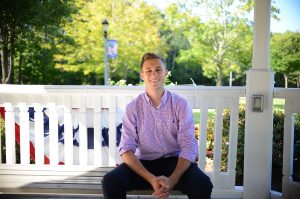 Eric Eisner serves as the Director of Communications for Massachusetts’ Worcester County Sheriff’s Office. Eisner has worked to improve the branding of the sheriff’s office as well as implement new technology to bolster recruitment efforts for correctional officers. He works with every department under the sheriff’s office to disseminate information to the public and educate citizens on the role of the sheriff’s office.
Before joining the Evangelidis Administration, Eisner served as a Chief of Staff in the Massachusetts House of Representatives, where he worked on policy and managed constituent services.
Eisner also serves as a member of the Board of Directors for the Blackstone Valley Hub for Workforce Development, an organization that aims to positively contribute to a collaborative workforce pipeline by providing a centralized location for students to gain the technical and employability skills needed to meet the needs of the region and beyond. Eisner attended the University of Massachusetts at Lowell, graduating with a Bachelor of Science in Environmental Geoscience and Business Administration in 2021.
Are America’s Schools Prepared for Overdoses?
9:15 AM TO 10:15 AM | ROOM 205 | PUBLIC SAFETY
Across the United States, overdose is now the third leading cause of death for individuals under age 18. Between 2019 and 2021, monthly youth overdose deaths more than doubled, contributing to more than 107,000 deaths nationally in 2023, most linked to illicit synthetic opioids such as fentanyl. Although deaths declined 27% in 2024, progress remains fragile. New national surveys indicate that more than 1 in 10 U.S. adults used synthetic opioids in 2024. This is up sharply from 0.3% just two years earlier. Youth remain on the front lines, with over 20% of high school students reporting drug exposure on school campuses. Yet preparedness lags: while 37 states reference school-based overdose management in statute, only 13 require schools to stock naloxone, and just 7 mandate student opioid education. For sheriffs and law enforcement leaders, this crisis is operational and often personal. Deputies are often first to respond to 911 calls from school campuses and frequently serve as embedded School Resource Officers. This session highlights the evolving multi-phase national RESPONSE Campaign, built on cross-sector collaboration and high-impact partnerships across education, medicine, and government. Drawing on Arizona’s statewide STOP-IT model, presenters will evaluate emerging practical tools, including sample statewide legislation for elective adaptation, model school overdose-response policies, low-cost naloxone access pathways, statewide reporting and recording tools, and staff/student training curricula. Participants will evaluate their own state’s landscape and leave with actionable strategies to strengthen school overdose preparedness, prevention, and policy leadership in their jurisdictions.
PRESENTERS: Dr. Holly Geyer, President, Arizona Society of Addiction Medicine; Co-Chair STOP-IT and Deputy Sheriff Randy Moffitt, Navajo County Sheriffs’ Office
 Holly L. Geyer, M.D., is an Associate Professor of Medicine and consultant in the Division of Hospital Internal Medicine at Mayo Clinic. She is dual board-certified in Internal Medicine and Addiction Medicine. She serves as Physician Lead of the Opioid Stewardship Program at Mayo Clinic in Arizona and as Medical Director of Mayo Clinic Arizona Occupational Health Services. She is also the president of the Arizona Society of Addiction Medicine (AZSAM) and is a nationally recognized speaker on the topic of opioids and addiction neurobiology.
She has authored more than 200 journal articles, book chapters, educational pieces, and abstracts, and is a featured television and radio media consultant. She is also the author of the patient-education book, “Ending the Crisis: Mayo Clinic’s Guide to Opioid Addiction and Safe Opioid Use”.
She is active at the local and national level, addressing opioid policy, and co-chairs multiple national and state task forces and working groups. As a Medical Advisor and addiction expert for the NFL Alumni Association Health Initiative, she additionally helps coordinate national activities and partnerships to educate the public about this critical topic.
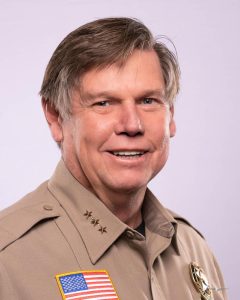 Randy has been in law enforcement for 37 years, with a focus on narcotics in our communities. For approximately 14 years of his career, he supervised two very active drug task forces, PANT in Prescott and MCAT for the Navajo County Sheriff’s Office. After successfully leading the MCAT and serving as the HIDTA Initiative Commander, he was promoted to Chief Deputy for the Navajo County Sheriff’s Office. After 29 years in law enforcement, Randy retired from the Sheriff’s Office in January of 2020 to join the Arizona Southwest Border HIDTA as the first Drug Intelligence Officer for the state of Arizona. For five years, he served Arizona HIDTA and other states’ law enforcement with drug intelligence, and Arizona’s communities with support and education against the harmful effects of fentanyl. In December of 2025, Randy was asked to serve in Navajo County once again as a Special Detective with the Major Crimes Apprehension Team. After three weeks, he was promoted to Chief Deputy for the second time, where he is serving the citizens of Navajo County. He has also attended the Drug Unit Commanders Academy in Quantico, VA, and the Arizona Police Leadership Program. Randy is an Arizona native and currently resides in the cool pines of Lakeside, Arizona. He has a strong belief in networking both in Arizona and across the nation.
The Next Era of Policing: Evidence-Based Crime Reduction Through Deflection.
9:15 AM TO 10:15 AM | ROOM 206 | FUTURE OF LAW ENFORCEMENT
Communities nationwide continue to experience recurring low-level crime and disorder associated with substance use and mental health challenges. Repeated arrest and short-term detention often do little to resolve these underlying drivers, leading to continued law enforcement contact, increased system costs, and persistent threats to community safety.
Deflection provides law enforcement with a practical, evidence-based strategy to intervene earlier and more effectively. By redirecting appropriate individuals away from arrest and toward treatment, recovery supports, housing stability, and other proven services, deflection helps disrupt repeat offending, reduce recidivism, and enhance public safety outcomes. When implemented with clear protocols and strong partnerships, deflection strengthens, not replaces, traditional enforcement by reserving arrest and incarceration for serious and violent crime.
This session will examine deflection as a law–enforcement–led crime-reduction tool, highlighting how early intervention, coordinated service delivery, and officer discretion can break cycles of repeat offenses while improving community conditions. Participants will hear from experienced practitioners and review findings from the peer-reviewed article “Preventing Substance Use-Related Crime through Deflection,” published in the Journal of Multidisciplinary Studies in Human Rights & Science (Volume 7, Issue 3), authored and co-authored by two panelists.
Designed as an interactive, practice-focused discussion, this session will provide law enforcement leaders with real-world examples, implementation considerations, and actionable steps to strengthen or expand deflection within their existing crime reduction strategies. Participants will leave with a clearer understanding of how deflection can improve efficiency, reduce repeat calls for service, and deliver measurable public safety benefits for their communities.
PRESENTERS: Guy Farina, Senior Program Manager, TASC’S Center for Health and Justice; Juanita Hotchkiss, LMSW, Director of Community & Incarcerated Services, Ulster County Sheriff’s Office; and Mitch Cunningham, Chief Law Enforcement Advisor, National Sheriffs Association (Moderator)
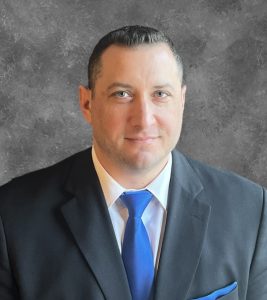 Guy Farina is a retired Detective Supervisor with a distinguished career dedicated to public safety, youth engagement, and substance use prevention. He brings decades of frontline experience addressing drug impairment, substance use disorders, and the impact of adverse childhood experiences (ACEs). Farina is a nationally certified Drug Recognition Expert (DRE) and Instructor, a former member of the New York State DRE Technical Advisory Panel, and the past Region One Coordinator for New York State’s DRE program. He has led critical initiatives, including Narcan training and deployment and medication drop-off programs, and has served as Hudson Valley Regional Director for the New York Gang Investigators Association. In 2016, he spearheaded the development and oversight of New York’s first law enforcement deflection program. In 2018, Farina assumed the role of Law Enforcement Liaison for Hope Not Handcuffs – Hudson Valley, a position he originated to strengthen collaboration between law enforcement and community-based deflection efforts. In addition to his law enforcement leadership, Farina holds advanced training in victim services, including certifications as a Victim Advocate, Domestic Violence Advocate, Sexual Assault Advocate, and Certified Forensic Interviewer of Child Sexual Assault Victims. He is also credentialed in victim assistance, crisis intervention, trauma-informed care, and the impact of sexual assault. From 2005 to 2023, he served as a New York State Certified Emergency Medical Technician (EMT).
Currently, Farina is a Senior Program Manager with the National Deflection Technical Assistance Center at TASC’s Center for Health and Justice, where he provides expert consulting, training, and technical assistance under the Bureau of Justice Assistance’s Comprehensive Opioid, Stimulant, and Substance Use Program (COSSUP).
Guy is the lead author of the peer-reviewed article “Preventing Substance Use-Related Crime through Deflection,” published in the Journal of Multidisciplinary Studies in Human Rights & Science (JMSHRS)*, Volume 7, Issue 3.
 Juanita Hotchkiss is a Licensed Master Social Worker who has dedicated her career to bringing behavioral health and criminal justice systems together, and closer to the communities that they serve. She is currently the Director of Community and Incarcerated Services at the Ulster County Sheriff’s Office. Previously, she worked with the Ulster County Department of Mental Health as the Project Manager for the Columbia University Healing Communities Study. In her tenure with Ulster County, Juanita has engaged key stakeholders to implement more than 26 strategies to address the Opioid Epidemic, securing more than $5 million dollars in federal grant funding to launch, enhance, and sustain initiatives such as; peer street outreach teams, 24/7 peer supports, and the expansion of the Sheriff’s Opioid Response as County Law Enforcement (O.R.A.C.L.E) program, CIT Mental Health Team (S.A.F.E), County-wide First Responder Wellness Unit, as well as, Jail based ReEntry Services for incarcerated individuals with Substance Use Disorder.
In addition to this, she assisted the Ulster County Sheriff’s Office in launching the Anti-Violence Effort Response Team (AVERT) and the Medication for Opioid Use Disorder program in the Jail, as well as several community outreach initiatives to address the opioid epidemic. Juanita received her Bachelor of Professional Studies in Human Service, Program Development & Management from SUNY Empire State College and her Master’s in Social Work from Adelphi University’s Hudson Valley Center.
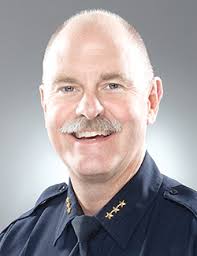 Deputy Chief Mitch Cunningham (ret.) has been a police officer for 40 years, most recently as Deputy Chief for the Wilmington North Carolina Police Department, retiring in 2019 and remaining as an auxiliary officer. Prior to that he was a police officer for the Montgomery County Department of Police, in Maryland, from 1985-2012. There he started a number of crime fighting initiatives including the first Career Criminal Unit, the first regional auto theft team and started the regional data sharing system NCR LInX, in the National Capitol Region which connects hundreds of police agencies, leading to countless arrests and supporting anti-terrorism efforts in the wake of 9-11.
After being selected as Deputy Chief for the Wilmington (North Carolina) Police Department in 2012, he launched a number of successful efforts to drive down gang violence plaguing the city. He also started the agency’s first Peer Support team, created a college scholarship fundraiser -Send a Cop to College- to assist with the professionalization of its future leaders and initiated a number of leadership, crimefighting and morale building efforts. Wilmington North Carolina was designated as the city with the worst opioid crisis so he implemented a number of initiatives to address this including being the second program in North Carolina that outfitted WPD officers with naloxone. He also began the LEAD program, a pre-arrest diversion program that brought public safety and public health officials to work together to reduce the impacts of opioids. He also was a founder of the Quick Response Team that ensured those who overdosed received care within 72 hours. He was selected to serve on the NC Attorney General’s Task Force on Opioids.
He is a certified training instructor who worked as a law enforcement training coordinator for Cape Fear Community College as well as teaching for the University of North Carolina at Wilmington and Louisiana State University.
He is currently the Chief Law Enforcement Advisor for the National Sheriffs’ Association. In this role he provides technical support for clients all around the country on a variety of topics and needs. He also serves as an advisory board member for PTACC, a police and treatment community consortium as well as written articles and reported on innovations in law enforcement which assist in successful opioid response strategies.
He also is a accreditation SME for IADLEST, the International Association of Directors of Law Enforcement Standards and Training.
He was previously a member of Big Brothers and Big Sisters of the National Capitol Region and is currently the Vice Chairman of the Board for Soaring as Eagles a community outreach non-profit serving families of Title 1 schools. He is also a founding member of the Carolina Beach Police Foundation and serves as a board member.
Creating a Digital Forensics Task Force
9:15 AM TO 10:15 AM | ROOM 207 | RURAL & SMALL AGENCY
More criminal investigations than ever involve digital evidence. From burglary to domestic violence to homicide, cell phones and technology are key factors in case outcomes and protecting victims. These investigations require specialized equipment and training, both of which are very expensive and time-consuming. This seminar will discuss how local agencies in Iowa are working together to share the workload and the cost while enhancing public safety and creating a model for interagency cooperation. Case examples will include local and international examples.
PRESENTERS: Sheriff Brad Kunkel, Johnson County Sheriff’s Office, and Det. Sgt. Ben Lord, Johnson County Sheriff’s Office
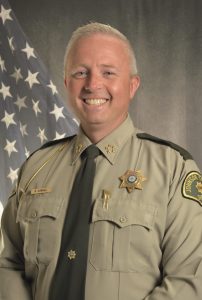 Johnson County Sheriff Brad Kunkel is a 24-year law enforcement veteran who has spent his entire law enforcement career with the Johnson County Sheriff’s Office. During his career at the Sheriff’s Office, he has worked in the Jail, Patrol, and Investigations Divisions, holding the titles of Deputy Sheriff, Patrol Sergeant, and Detective Sergeant before running for office in 2020 and beginning his first term as Sheriff in 2021. He was re-elected to a second term in 2024. As Sheriff, he has followed through with enhancing investigations into domestic violence, was instrumental in creating a multi-agency digital forensics task force, and enhanced jail diversion efforts within the Sheriff’s Office.
Sheriff Kunkel is a graduate of the University of Iowa and holds a Bachelor’s Degree in Political Science with a Minor in Religious Studies. Sheriff Kunkel previously served as a City Council member and Mayor Pro Tempore for 6 years with the City of Solon, as well as serving as a board member for multiple non-profits in his community. Board experience includes the Domestic Violence Intervention Program, where he served as Co-Chair, as well as the 100+ Men Who Care Board and the North Liberty Community Food Pantry Board. In 2022, he was elected to the Iowa State Sheriffs’ and Deputies Association Board of Directors, where he served as a Sheriff Board Member and on the Legislative Committee. He is the Vice-Chair of the Iowa Law Enforcement Accreditation Program, representing large Iowa sheriff’s offices. Sheriff Kunkel is also a member of the National Policing Institute’s Rural Violent Crime Reduction Initiative, where he serves as a subject-matter expert. In 2024, Sheriff Kunkel was designated as the Sheriff Affiliate to the Iowa State Association of Counties Board of Directors and currently serves as the 3rd Vice President.
Brad and his wife Julie live in rural Johnson County and are the parents of three sons. Sheriff Kunkel is committed to supporting victims of intimate partner violence, hiring great people, and ensuring local government provides quality public service with a priority on public safety. In his free time, Sheriff Kunkel enjoys spending time with his family, hunting, fishing, and golfing.
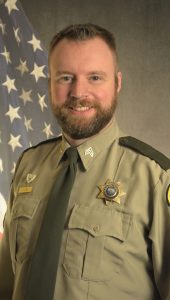 Det. Sgt. Ben Lord grew up in Iowa City and is a 2003 graduate of City High School. From 2003 to 2007, he attended Iowa State University, where he studied criminology, criminal justice, and history. He completed a master’s degree in Criminal Justice through Arizona State University in 2015, with relevant coursework in Policing and Homeland Security, Police Accountability and Criminal Justice Ethics, Criminal Justice Planning, Program Evaluation, Policymaking, Data Analysis, Theory of Criminology, and Theory of Criminal Justice.
Det. Sgt. Lord was hired as a deputy sheriff in 2012 and is currently assigned to the Johnson County Joint Forensic Analysis Cyber Team (JFACT) task force, a group of investigators responsible for digital forensic analysis and Internet Crimes Against Children investigations. He recently completed a master’s degree in Digital Forensics at Champlain College and holds numerous digital forensics and IT industry certifications, including CFCE, CAWFE, ICMDE, CFME, EnCE, A+, Network+, Linux+, and CySA+. Ben has been a volunteer staff member with the International Association of Computer Investigative Specialists for several years and currently serves as the chair of the Advanced Windows Forensic Examiner training program.
Rebuilding the Force: Evidence-Based Strategies for Recruiting and Retaining Law Enforcement Officers
9:15 AM TO 10:15 AM | ROOM 208 | Recruitment, Retention, and Training
The law enforcement workforce crisis is hollowing out agencies across the country. Seventy percent of agencies report greater difficulty hiring than five years ago, dozens of the nation’s largest departments have shrunk by 10 percent or more, and resignations and retirements surged by 47 percent and 19 percent, respectively, between 2020 and 2023. Most officers who leave do so within their first three years. For sheriffs’ offices, many serving rural or mid-size jurisdictions with limited budgets, these trends are especially acute.
This session examines the economic, demographic, and institutional forces driving the shortage and offers practical, evidence-based strategies to address it. The presenters will analyze how shifting labor market dynamics, generational workforce expectations, declining public trust, and private-sector competition have fundamentally altered the recruiting landscape.
On recruitment, the session will cover modernizing hiring processes, expanding candidate pools without lowering standards, leveraging employee referral systems, and navigating the expectations of Gen Z and millennial candidates. On retention, which research shows is more cost-effective than recruitment alone, the discussion will address why officers leave, the role of compensation and pension structures, career development and dual-track promotion systems, wellness programs, and managing expectations from the point of hire forward. The session will also address the risks of lowering hiring standards as a short-term fix, including increased liability exposure and diminished public trust. It will identify emerging federal and state legislative tools that sheriffs can leverage in their own jurisdictions.
SPEAKERS: Jillian Snider, Resident Senior Fellow, R Street Institute, Police Officer (Ret.), NYPD, and Logan Seacrest, Resident Fellow, R Street Institute
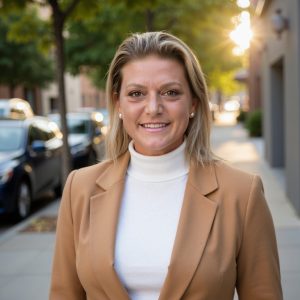 Jillian Snider is a Resident Senior Fellow at the R Street Institute, where she produces research and commentary on public policy related to all stages of the criminal justice system, with a focus on policing. Snider is a retired New York Police Department officer and currently works as an adjunct lecturer at John Jay College. In addition, she is an advisor to Respond Capture, an end-to-end recruitment partner for public safety agencies, and an elected member of the Council on Criminal Justice.
Snider has appeared as a subject matter expert in a variety of national media outlets, including CNN, C-SPAN, LiveNOW from Fox, MSNBC, NBC News, and NewsNation; been quoted in stories featured in The New York Times, New York Post, Fox News Digital, Vox, and Newsday; and her work has been published in outlets across the country. Additionally, she has been invited to testify as an expert before the U.S. Congress on several criminal justice issues. She regularly presents at academic and large-scale law enforcement conferences, including the Academy of Criminal Justice Sciences, the American Society of Criminology, the National Association of Women Law Enforcement Executives, and the National Sheriffs’ Association.
Snider is currently a PhD ABD in criminal justice with a concentration in behavioral science from Nova Southeastern University. She has received a master’s degree in criminal justice with dual specializations in police administration and criminology and graduated with distinction from John Jay College of Criminal Justice. She also earned an MPA with a concentration in ethical leadership from Marist College and a bachelor’s degree in legal studies from John Jay College of Criminal Justice.
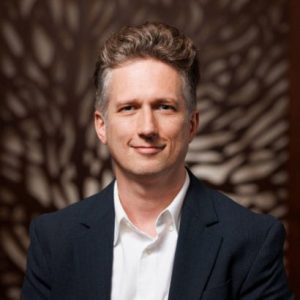 Logan Seacrest is a Resident Fellow on the Criminal Justice and Civil Liberties team, and co-author of the 2025 policy paper “The Past, Present, and Future of Police Body Cameras.” Logan’s award-winning research has formed the basis of innovative criminal justice policy, from police body camera programs to statewide juvenile deflection initiatives. Logan’s work draws on an interdisciplinary approach, incorporating a diverse set of ideas from ancient religion to behavioral economics.
R Street produces research and analysis that has appeared in the Washington Post, NPR, and The Hill. Before joining R Street, Logan served as a policy analyst for both the Nebraska Legislature and the Nebraska Supreme Court.
Logan received a bachelor’s degree from Colorado College in Colorado Springs, CO, and holds a master’s degree in public policy from the University of Nebraska-Omaha. In 2024, the UNO College of Public Affairs awarded Logan its first-ever Alumni Excellence Award. Logan also serves as Chair of the Board of the J.C. and Jessie Seacrest Family Foundation.
The Ethical Command: Leading a Culture of Active Bystandership
9:15 AM TO 10:15 AM | ROOM 209 | LEADERSHIP
Sheriffs manage a complex, high-stakes ecosystem in which jail operations are a foundational mandate and a primary source of organizational risk. While “duty to intervene” policies are standard, these mandates often fall short because they fail to equip the entire Sheriff’s workforce with the practical skills, confidence, and ethical grounding required to act in the moment. Compounding this challenge is the traditional siloing of Sheriff’s Offices, where patrol, jail, court, and civilian functions often operate in isolation.
In July 2025, Colorado launched a groundbreaking statewide pilot designed to bridge these gaps. By integrating ABLE (Active Bystandership for Law Enforcement) and Heroes (Active Bystandership for Corrections) into a unified cross-training model, Colorado has created a framework tailored to the Sheriff’s Office’s multifaceted nature. This session explores how this model empowers every member of the workforce, from sworn deputies to correctional officers and civilian staff, to foster a culture of mutual care and professional accountability. Attendees will discover how this statewide approach supports leadership in both large urban agencies and resource-constrained rural communities, setting a new national standard for organizational resilience, safety, and community trust.
PRESENTERS: Dr. Abigail S. Tucker, Psychologist, Heroes Active Bystandership Training, and Michael McIntosh, Division Chief, Special Operations, Douglas County Sheriff’s Office, Sheriff (Ret.), Adams County, Colorado
 Abigail S. Tucker, Psy.D., ABPP, is a licensed psychologist in Denver, Colorado, board-certified in Police and Public Safety with the American Board of Professional Psychology. She works directly with correctional staff, emergency responders, veterans, victims of crime, and behavioral health providers. She is an adjunct faculty member at Colorado State University Global and Nova Southeastern University.
Dr. Tucker is a national training instructor for the Active Bystandership for Law Enforcement (ABLE) Project and co-founder of Heroes Active Bystandership Training. Dr. Tucker’s pro bono contributions include serving on boards and justice-related committees, as well as in private practice. Her advocacy focuses on correctional staff well-being, recovery, and justice for individuals involved in criminal justice, suicide prevention, emergency responder psychology, and the intersection of behavioral health and justice.
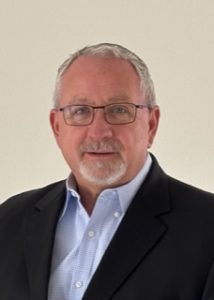 Michael McIntosh currently serves as the Chief Deputy for the Douglas County (CO) Sheriff’s Office. From 2015-2019, he served as the elected Sheriff of Adams County, Colorado. With more than 35 years of law enforcement experience and volunteer service, he has received numerous awards for excellence in service and leadership.
In 2009, he was selected to attend and graduated from Session 237 of the Federal Bureau of Investigation’s National Academy. He has served as Director of the Colorado County Sheriffs Association, the Colorado Peace Officer Standards and Training Board, and the Colorado Special Olympics. He is well known for his transformative leadership approach and has a proven track record of successfully leading teams and organizations through periods of change.
Reversing the Demonization of Law Enforcement in America
9:15 TO 10:15 AM | ROOM 210 | FUTURE OF LAW ENFORCEMENT
In the recent past, we have seen a shift in public perception of law enforcement from pillars of the community to public scapegoats. Reversing this shift requires fully understanding the forces behind the public narrative that seeks to scapegoat law enforcement. It also requires thinking in new ways about how to proactively project a positive counter.
PRESENTERS: Dr. Chuck Williamson, Dean, School of Public Safety & Administration, Anderson University, and Dr. Matthew Daniels, Distinguished Professor of Law, Politics & Human Rights, School of Public Safety & Administration, Anderson University
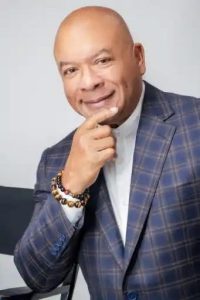 Dr. Chuck Williamson serves as Dean of the School of Public Service and Administration at Anderson University in Anderson, South Carolina. He brings a unique combination of law enforcement leadership and academic expertise to his work developing the next generation of public service professionals.
A 30-year veteran of the Guilford County Sheriff’s Office, where he retired as Major in 2018, Dr. Williamson holds a Ph.D. in Leadership Studies from North Carolina A&T State University, a Master of Public Administration from North Carolina Central University, and a graduate certificate in Criminal Justice Education from East Carolina University. With over 25 years in higher education, he has served as academic Dean, teaching professor, dissertation chair/methodologist, and curriculum developer. His research focuses on leader development pathways and high-performance team dynamics.
 Dr. Daniels was raised by a single mother on a welfare income in the section of Spanish Harlem with the highest rate of violent crime in New York City. After attending inner-city public schools in New York City, he received a full scholarship to Dartmouth College. He later received a Public Interest Law Scholarship to the University of Pennsylvania Law School, where he obtained both his law degree and a Master’s in Public Administration. He was subsequently awarded a doctoral fellowship in American Politics at Brandeis University.
Dr. Daniels was recruited by venture capital specialist Sequoia Capital, the lead backer of YouTube and Google, to launch a YouTube channel featuring the inspiring stories of men and women in uniform, including police, sheriffs, and other local, state, and federal law enforcement personnel. Dr. Daniels serves as Distinguished University Professor of Law, Political Science, and Human Rights at the School of Public Safety & Administration at Anderson University.
The Methodical and Successful Use of Artificial Intelligence
10:30 AM TO 11:30 AM | ROOM 205 | LAW ENFORCEMENT TECH
Given the pace and veracity of AI-based capabilities and functionalities making their way within the justice and public safety domain, and their direct impacts on the law enforcement domain, the methodical, thoughtful, and ethical usage of AI is of critical value and importance in order to ensure success and to reduce risk and liabilities. This presentation will focus on the specific value and impact of Artificial Intelligence on Law Enforcement. Specifics include 1) Overview of AI concepts; 2) Appropriate and well-defined Use Case examples; and 3) An AI Playbook to demonstrate the best path for the ethical use of AI-based capabilities.
SPEAKER: Ashwini Jarral, Senior Advisor, IJIS Institute
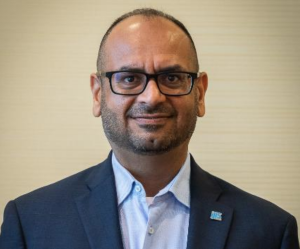 Ashwini Jarral currently serves as the senior advisor to the IJIS Institute Executive Director and is the founder of The Center of Excellence on Artificial Intelligence for Justice, Public Safety, and Security. The mission of the AI Center of Excellence is to help JPSS agencies better prepare to implement AI-based capabilities, and the private sector develop fully vetted solutions. The Center of Excellence will provide expertise on the responsible and ethical use of AI in justice, public safety, and security. Mr. Jarral also provides consulting services to non-profit and not-for-profit organizations, advising them on issues related to business and digital transformation strategies.
Before his current role, Jarral was the co-founder and Chief Operating Officer of the innovative healthcare technology company IDYA4, which was acquired by CloudMD in 2021.
Before IDYA4, Jarral served as the Executive Director (CEO) of the IJIS Institute, a nonprofit corporation formed by the U.S. Department of Justice, to help state and local governments develop ways to share information among disciplines engaged in homeland security, justice, and public safety.
With more than 25 years of experience in IT consulting and operations management, acquired through various executive roles, Jarral has been recognized nationally and internationally for his work in information sharing since the tragic event of 9/11. In addition to the Justice and Public Safety sector, he also worked in the private sector, providing professional technology services and solutions in finance and telecommunications.
Jarral has published numerous articles, white papers, and reports on technology standards, interoperability, and information sharing. He has played a key role in developing various information-sharing standards across Justice, Public Safety, Homeland Security, and Health.
Jarral holds a B.S. in Decision Science and Management Information Systems (DMIS) and an M.S. in Management Information Systems. He is a Project Management Institute (PMI) Project Management Professional (PMP) and Six Sigma Green Belt Certified Professional.
Ahead of the Curve: Leading the Modern Sheriff’s Office
10:30 AM TO 11:30 AM | ROOM 206 | LEADERSHIP
The profession of policing is at a crossroads. The expectations placed on sheriffs and their command teams have never been greater, and the old playbook isn’t enough. In this candid fireside chat, Chris Hsiung, co-founder of The Curve, former Police Chief, and current Undersheriff for the San Mateo County Sheriff’s Office (CA), sits down to explore the leadership lessons, hard truths, and quiet opportunities that define the modern sheriff’s role. From managing change to rebuilding trust, this session is an honest dialogue about what it takes to lead with purpose in one of the most complex jobs in public service.
SPEAKER: Chris Hsiung, Executive Director, The Curve
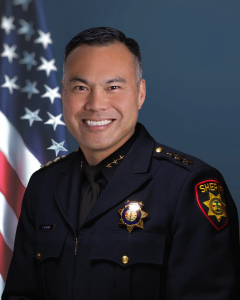 Chris is a founding board member and Executive Director of “The Curve,” a non-profit leadership organization co-founded with Simon Sinek and forward-thinking police chiefs and sheriffs from across the country. The Curve aims to provide inspiration, leadership development, and resources to modern-minded leaders, with the goal of advancing police culture from within the profession. A retired Police Chief with over 30 years of public service in the San Francisco Bay Area, Chris previously led the Mountain View Police Department and now serves as Undersheriff for the San Mateo County Sheriff’s Office in Northern California, where he oversees operations for an agency serving more than 700,000 residents.
An internationally recognized speaker, writer, and leadership coach, Chris specializes in organizational culture, adaptive leadership, crisis management, and digital communication. He has authored national articles on modern policing and frequently appears on leadership podcasts and conferences. In addition to his role at The Curve, Chris serves as vice-chair of the IACP Human and Civil Rights Committee, is a Board Advisor for the University of Virginia Center for Public Safety and Justice, is a fellow of the Future Policing Institute, and serves on the Global Advisory Council for the Crisis Ready Institute.
From Handcuffs to Hope: A Police Department’s Homelessness Revolution
10:30 AM TO 11:30 AM | ROOM 207 | CASE STUDIES
In this session, participants will learn from a real-world police department initiative that transformed the way chronic homelessness is addressed.
Drawing on 29 years in corrections and law enforcement, including founding the Tampa Police Department Homeless Initiative, Daniel McDonald shares how his team moved beyond arrests to proactive, compassionate interventions.
Attendees will see how data-driven strategies, partnerships with community services, and officer-led outreach can reduce repeat criminal justice involvement while building trust and improving community safety.
The session provides practical tools, templates, and lessons that other agencies can adapt to create lasting change.
PRESENTER: Daniel McDonald, Retired Police Officer & Law Enforcement Consultant, Tampa Police Department (Ret.)
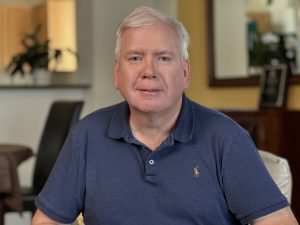 Daniel McDonald is a seasoned law enforcement professional with 29 years of experience in policing and corrections.
He founded the Tampa Police Department Homeless Initiative, leading innovative interventions that significantly reduced chronic homelessness and interactions with the criminal justice system.
Daniel is a sought-after speaker and consultant on community-focused policing strategies, helping agencies across the country implement compassionate, evidence-based solutions that improve outcomes for individuals and communities alike.
Building a Child Abduction Response Team (CART)
10:30 AM TO 11:30 AM | ROOM 208 | PUBLIC SAFETY
Take steps toward implementing a successful CART by bringing together a team of experts whose knowledge, skills, and abilities will be beneficial in a child abduction case. Join us to learn how to develop a multidisciplinary CART for responding to endangered, missing, or abducted children. Hear about the impact a child abduction has on the family and learn the fundamentals of developing an effective responsive CART team. Examine incident command considerations, search and canvassing operations, CART activation, and resources to improve the response, investigation, search, and canvass activities associated with missing children investigations.
PRESENTER: Derek VanLuchene, National Child Abduction Response Team Program Manager, National Criminal Justice Training Center (NCJTC)
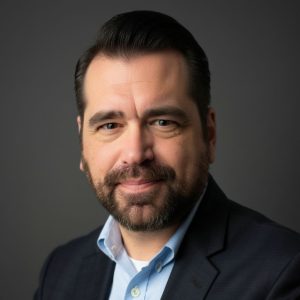 Derek VanLuchene is a Program Manager with the AMBER Alert Training and Technical Assistance Program (AATTAP), where he supports the development, certification, and sustainability of Child Abduction Response Teams (CART) nationwide. He works to expand DOJ-certified CART programs, strengthen response capabilities in Tribal and rural communities, and ensure teams maintain operational readiness. Derek collaborates closely with national trainers and certification specialists to enhance multidisciplinary response to child abduction cases across the United States.
Derek brings more than two decades of law enforcement experience, having served 22 years with the Conrad Police Department and the Montana Division of Criminal Investigation. He has also spent over 15 years as an instructor with the National Criminal Justice Training Center at Fox Valley Technical College and with the National Center for Missing & Exploited Children, delivering training on child abduction response and investigative best practices.
His commitment to this work is deeply personal. In 1987, Derek’s 8-year-old brother was abducted and murdered in rural Montana—an experience that continues to drive his dedication to improving child protection, offender management, and coordinated response efforts nationwide.
Assessing Future Leaders: Building a Promotional Process That Identifies the Right Leaders
10:30 AM TO 11:30 AM | ROOM 209 | LEADERSHIP
Many promotional systems reward performance in a single testing event rather than leadership demonstrated consistently over time. While these processes may measure knowledge and presentation skills, they often overlook the most important predictors of leadership success: character, judgment, and behavioral consistency.
When agencies promote the best test-takers instead of the best leaders, culture suffers. This workshop explores how Sheriffs’ Offices can design more intentional and defensible promotional processes that evaluate leadership readiness through documented behavior and long-term performance.
Participants will learn how to assess leadership character, reduce bias in promotion decisions, and build promotional systems that identify individuals who will strengthen culture and credibility.
PRESENTERS: Dr. Kimberly A. Miller, Police & Public Safety Psychologist & Consultant, Kimberly A. Miller and Associates, LLC, Chief Matthew Thomas, Florence Police Department, and Sheriff Kim Stewart, Dona Ana County Sheriff’s Office
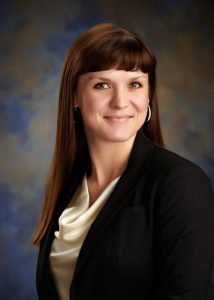 Kimberly A. Miller, Ph.D., is a licensed psychologist (Colorado PSY-3744) and founder of Kimberly A. Miller & Associates, LLC (est. 2004), where she provides training and technical assistance (TTA), executive coaching, and organizational consultation to law enforcement, sheriff’s offices, communications centers, and public safety agencies nationwide. Her work focuses on strengthening organizational effectiveness, leadership capacity, workforce resilience, and evidence-informed personnel systems.
Dr. Miller has delivered national-level training and strategic consultation to hundreds of agencies and thousands of justice professionals through conference presentations, executive retreats, webinars, and customized technical assistance engagements. Her areas of expertise include leadership development, succession planning, organizational culture assessment and change management, character-based promotional and selection processes, ethics and accountability systems, officer wellness and suicide prevention, workforce retention strategies, and implementation of structured decision-making frameworks.
Her technical assistance approach integrates research in police psychology, organizational behavior, trauma science, and adult learning theory with practical implementation strategies tailored to agency size, structure, and community context. She works directly with executive teams to assess organizational climate, identify operational gaps, strengthen promotional integrity, enhance peer support integration, and implement sustainable wellness initiatives aligned with national best practices.
Dr. Miller currently serves as President of the Psychological Services Boards for both the National Sheriffs’ Association and the Small & Rural Law Enforcement Executives Association. She has published in peer-reviewed journals and practitioner publications and has received national recognition for excellence in research and applied psychological practice.
She holds a Ph.D. in Counseling Psychology from Colorado State University, an MA in Clinical Psychology from Ball State University, and a BA in Psychology from Auburn University.
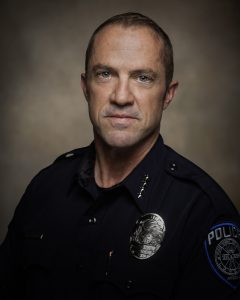 Chief Matthew Thomas is the Police Chief of Florence, Arizona, and a 32-year veteran of the Pinal County Sheriff’s Office, where he retired as Chief Deputy. He has led SWAT, narcotics, anti-smuggling, and major multi-agency operations targeting transnational cartels—and in 2022 became a best-selling author with Interceptors: The Untold Fight Against the Mexican Cartels.
A graduate of the FBI National Academy and a nationally recognized leader in intelligence-led policing, special operations, and innovative enforcement strategies, Chief Thomas is known for his no-nonsense leadership, deep community commitment, and passion for developing future law enforcement leaders. He’s an instructor, speaker, and trusted voice on border security, officer wellness, and modern policing.
 Sheriff Kim Stewart is the first woman to be elected Sheriff in Doña Ana County. She was sworn into Office in January 2019. Her staff consists of 150 sworn and 45 civilians, and together they serve a population of about 125,000.
She attended the University of California, where she received her Bachelor’s degree. Sheriff Stewart was a California law enforcement officer before moving to New Mexico. She served in various capacities in California, including Patrol Officer, Detective, Motor Officer, and District Attorney’s Investigator for several agencies.
Terrorism, torture, and tots: investigating online crimes
10:30 AM TO 11:30 AM | ROOM 210 | FUTURE OF LAW ENFORCEMENT
Communicating with others online or via cellphone has become a way of life. It’s not just how we talk to each other, it’s how we exchange photos and videos we care about. And if it’s good for a good guy, it’s even better for a criminal. Clandestine online networks (CONs) have become the prime venue for reaching out to terrorize someone – or a lot of someones. Groups like 764 and CVLT are not that different from street gangs. Members work together to target vulnerable youth, desensitizing them with images of sex, gore, and bestiality. The goal is to manipulate their victims into producing sexually explicit or other images that can then be used to threaten them into committing increasingly more dangerous or illegal acts. Animal crushing CONs target vulnerable animals that are systematically tortured to death, and the images are then distributed widely on the internet. Many of the perpetrators of animal violence also consume and share child pornography or participate in terroristic groups. This seminar will provide a high-level overview of how terror, torture, and child porn networks connect to one another and how infiltration and investigation of these networks is currently being done. Tips and techniques for local departments will be discussed.
PRESENTER: Jenny Edwards, Criminologist, Chandler Edwards, and Dr. Brian Holoyda, Forensic and Correctional Psychiatrist, Contra Costa County, California
 A renowned expert in animal torture and sexual abuse worldwide, M. Jenny Edwards is a criminologist with a cross-disciplinary approach of law, psychology, and sociology. With more than two decades of experience, Edwards has served as a subject-matter expert for law enforcement, prosecutors, and private law firms, and has drafted or testified on legislative acts throughout the U.S., as well as in France, England, Spain, Canada, and Australia.
She is a published author of original research and general-interest articles, as well as book chapter contributions, in publications on forensics and veterinary medicine. Edwards is a frequent guest lecturer at college and university programs and has developed specialized educational courses and materials for law enforcement, veterinarians, social workers, and criminal justice policymakers.
Edwards established the largest repository of animal sex abuse and torture offenders in the world. Her original research on the arrest and prosecution of animal sex offenders in the U.S., published in 2019, was the first study of its kind and the only study to date based on empirical data. Her current co-authored research project is focused on internet crimes involving sexual sadism and torture of animals, with publication expected in Spring 2026.
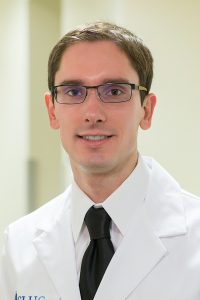 Dr. Brian Holoyda, M.D., M.P.H., M.B.A., is a forensic and correctional psychiatrist. In his clinical work, he treats patients at a pre-trial detention facility in Contra Costa County, California. He also administers the psychiatric services for the County’s detention system. In his forensic work, Dr. Holoyda specializes in sexual violence risk assessment, psychiatric malpractice, and correctional care. He conducts capacity evaluations related to the refusal of psychotropic medications for the Oregon Department of Corrections. He has performed sexual violence risk assessments related to paraphilic disorders and sleep-related sexual behavior internationally. Dr. Holoyda has served as the chair of the sexual offenders committee of the American Academy of Psychiatry and the Law. He teaches forensic psychiatry fellows at the Medical College of Wisconsin. In his spare time, Dr. Holoyda enjoys hiking, traveling, and playing the drums.
Tactical Drone Operations
1:30 PM TO 2:30 PM | ROOM 205 | LAW ENFORCEMENT TECH
Take your tactical awareness to the next level with a course built around the real-world use of drones in SWAT operations and crowd surveillance. From indoor and outdoor deployments to overwatch and suspect tracking, you’ll gain practical insight into today’s evolving capabilities—capped off by a timely case study on the New Jersey drone situation from last year.
PRESENTER: Kevin Fennessy, Chief Warrant Officer, Ocean County Sheriff
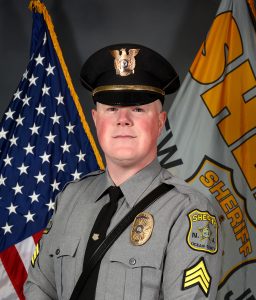 Kevin Fennessy serves as Chief Warrant Officer with the Ocean County Sheriff’s Office, assigned to emergency management, where he oversees both K9 and Drone Operations. With over two decades of law enforcement experience, he leads the agency’s drone program — supervising 18 pilots flying 26 drones — in missions including search & rescue, tactical support, SWAT deployments, and operations with the US Marshals NY/NJ Fugitive Task Force. A K9 handler himself for over 10 years, he also supervises the K9 Unit, managing 7 handlers and 12 canines, and oversees training and certifications in patrol, explosives, narcotics, and tracking.
What You Do Matters: Lessons from the Holocaust
1:30 PM TO 2:30 PM | ROOM 206 | LEADERSHIP
What You Do Matters: Lessons from the Holocaust is a highly interactive course developed in concert with the United States Holocaust Memorial Museum (USHMM), with a focus on ethical and bias-free leadership in the courts and the criminal justice system. How Germany changed in less than a decade from a free, democratic, and scientifically advanced community to a totalitarian regime that systematically targeted and murdered their own people is a lesson for every free society and those who practice and enforce the law. Course materials were developed to examine the “slippery slope” that occurred with law enforcement during nine short years. The course offers an incredibly powerful curriculum on ensuring that the core values of policing, the courts, and the criminal justice system are upheld. All courses are facilitated by law enforcement professionals and utilize historical images, videos, artifacts, and displays selected by museum historians to foster engaging conversations and thought leadership. The course is like no other course in criminal justice and is supported by several years of short-term and long-term survey results.
PRESENTER: Todd Larson, National Director, WYDM Institute
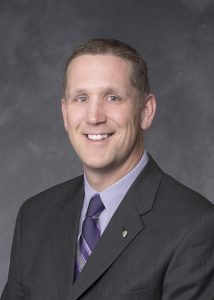 Todd Larson is the Director of the What You Do Matters (WYDM) Institute, focused on training of criminal justice personnel across the United States. Before this role, he was the Associate Vice President of Workplace and Public Safety for a large Arizona Hospital System. He was responsible for Security, Emergency Management, Central Communications, Access Control, Military Partnership, Simulations Training Center, Trauma Outreach, Injury Prevention, and the Forensic Nursing Program across six hospitals and over 100 other locations.
Prior to working in Healthcare, Todd retired from the Scottsdale (AZ) Police Department after 22 years of service. He spent the majority of his career investigating felony crimes within the Special Investigations Section, Violent Crimes Unit, and the Federal DEA Phoenix Task Force. He served for over ten years on the Scottsdale Police Department SWAT Team as an operator, sniper, and team leader. Todd has authored numerous court orders and warrants and has served as an instructor for the Drug Enforcement Administration (DEA), the Scottsdale Police Department, and the Arizona Narcotics Officers Association (ANOA) Annual Conferences.
Todd is a graduate of The Advisory Board’s High Performing Leadership Fellowship, The Northwestern School of Police Staff and Command, and is a Certified Force Science Specialist. Todd has authored several published articles involving police training, tourniquet research, TBI research, and healthcare technology. He holds a Bachelor’s degree in Education from Northern Arizona University, a Master’s Degree in Leadership with Emphasis in Crisis Management and Disaster Preparedness from Grand Canyon University, and a Doctorate in Organizational Leadership from Grand Canyon University.
Managing Offsite Inmate Medical Costs – How Sheriffs’ Can Lock Down Offsite Inmate Medical Costs Before They Escape Control
1:30 PM TO 2:30 PM | ROOM 208 | JAIL OPERATIONS
To educate Sheriffs, jail administrators, and county decision-makers on how to control and reduce offsite inmate medical expenses while ensuring compliance, transparency, and taxpayer value.
PRESENTERS: Sheriff Rick Staly, Flagler County, Florida; Chief Daniel Engert, Flagler County, Florida; Rich Stanek, Sheriff (Ret.), Hennepin County, MN; and Steve Casey, Executive Director (Ret.), Florida Sheriffs’ Association
 Sheriff Rick Staly is serving his third 4-year term as Flagler County Sheriff. He was first elected to the office of Sheriff in 2016 and was sworn in as the 18th Sheriff of Flagler County on January 3, 2017. Following his first term, he was overwhelmingly re-elected in 2020. Following his second term, he was re-elected unopposed in 2024, joining Sheriff Zip Edmonson in 1968 as the only incumbent Sheriff in agency history to be re-elected unopposed. As Sheriff, he leads a workforce of more than 400 employees and volunteers, with a budget of over $ 48 million.
Sheriff Staly holds a master’s degree in Justice Administration from the University of Louisville and a bachelor’s degree in Criminal Justice from Rollins College. Sheriff Staly is a graduate of the 177th Session of the FBI National Academy, the 79th Session of the FBI LEEDS Program, and the Southern Police Institute’s 79th Administrative Officer’s Course. He is also a graduate of the 112th Session of the National Sheriff’s Institute and Session 2 of NSI’s Jail Administration, making him the first Sheriff in Flagler County to graduate from the NSI.
Sheriff Staly is the past president of the Florida Deputy Sheriffs Association. During his tenure as president, he led FDSA through its fastest period of membership growth, making it the largest Deputy Sheriffs Association in the United States. He has served as board chair of the Florida Sheriffs Association and is currently an officer. Sheriff Staly is the past board chair of the Florida Sheriffs Youth Ranches. He previously served as board chair of the Florida Commission on Florida Law Enforcement Accreditation, where he served a 6-year appointment. In 2023, Sheriff Staly was appointed by the Florida Commissioner of Agriculture to the Florida Private Investigation, Recovery and Security Advisory Council as the law enforcement representative. Sheriff Staly serves as chairman of the Flagler County Public Safety Coordinating Council.
Sheriff Staly has been awarded lifetime memberships in the National Sheriffs’ Association, International Association of Chiefs of Police, Southern Police Institute Alumni Association, Florida Sheriffs Association, FBI National Academy Associates, and the Florida Police Chiefs Association. He is also a lifetime member of the National Rifle Association (NRA).
Sheriff Staly is an active member of the local community. He is on the Board of Directors for the Boys and Girls Clubs of Volusia/Flagler Counties. He is the Past President of the Rotary Club of Flagler County and of Crimestoppers of Northeast Florida. He is also a member of the Volusia-Flagler Police Chiefs Association, the B.P.O.E. Elks of Palm Coast, Bunnell Lodge No. 200 F&AM, and the Flagler County Gun and Archery Club.
Sheriff Staly and his wife, Debbie, are members of Flagler Beach United Methodist Church and live in Bunnell. Sheriff Staly has two grown daughters, Lauren and Diana, and three grandchildren, Aiden, Lexi, and Adalynn.
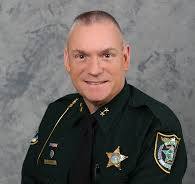 Daniel Engert began his career with the Niagara County (NY) Sheriff’s Office in 1990. He is a US DOJ PREA auditor, an AJA-Certified Jail Manager, and an NCCHC-Certified Correctional Health Professional. He served on the Board of Directors of the American Jail Association and is currently a Commissioner (Vice Chair) on the Florida Corrections Accreditation Commission. He served as an auditor for the New York State Sheriff’s Association Accreditation Program and is a graduate and member of the FBI Law Enforcement Executive Development Association. In 2019, he received a Gold Key Award from the Western New York Chemical Dependency Consortium for his efforts to address addiction and mental health issues. He has provided testimony to the NYS Legislature and the US Congress as a subject-matter expert on jail issues. Under his leadership, both the Niagara County (NY) Correctional Facility and the Sheriff Perry Hall Inmate Detention Facility (FL) have achieved correctional healthcare accreditation with the National Commission on Correctional Healthcare. The FCSO Detention Facility was awarded the 2023 American Jail Association’s Innovation Award and the Detention Facility Innovation Award from the National Institute for Jail Operations in 2022. He was selected as a fellow in the Florida Health Policy Leadership Academy Spring 2025 cohort. He serves as Chief of the Court and Detention Division with the Flagler County (FL) Sheriff’s Office.
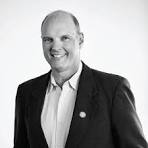 Rich Stanek is an internationally recognized expert in law enforcement, public safety, and corrections. While licensed as a police officer for nearly four decades, Rich served as Minnesota’s Commissioner of Public Safety and Director of Homeland Security, and as Sheriff of Hennepin County, Minnesota. Sheriff Stanek (ret.) has led national, state, and local law enforcement agencies and is well known as an innovator and champion of the public safety mission; he is a published author, frequent conference speaker, and media guest.
Rich is the Principal Consultant for Public Safety Strategies Group, LLC (PSSG), a national consulting firm providing subject matter expertise and services for public agencies and private firms across the United States. Rich works with Executive-level leaders from small agencies to Fortune 500 Companies, providing PSSG’s clients with a broad portfolio of services, including organizational and leadership studies and guidance, strategic planning, information sharing, leveraging and developing new technology, corporate security, and relationship development.
Rich Stanek’s national leadership influences included Law Enforcement Senior Advisor to the Director of National Intelligence (DNI), Secretary of the Department of Homeland Security (DHS), and Director of the Federal Bureau of Investigation (FBI). He was an integral contributor to FirstNet as a Board member for 6 years. Rich served as President of the Major County Sheriffs of America (MCSA), Vice President of the National Sheriffs Association (NSA), President of the Leaders in International Counterterrorism (LinCT), and President of the Minnesota Sheriffs’ Association (MSA). He continues his service to the law enforcement community and on behalf of PSSG clients through his membership and work with the National Public Safety and Corrections Associations, including the International Association of Chiefs of Police, Police Executive Research Forum, National Sheriffs’ Association, and Major County Sheriffs of America.
Sheriff Stanek’s legacy continues through his creation of the Hennepin County Sheriff’s Community Engagement Team, Jail Mental Health Services Reforms, Violent Offender Task Force (VOTF), Criminal Information Sharing & Analysis Unit (CISA), and construction of the new regional Communications Facility. He is acknowledged to have reduced violent crime across the county by 38% between 2007 and 2018; he was among the first in the nation to serve as Incident Commander under the National Incident Management System (NIMS) after the collapse of the 35W Bridge in Minneapolis in 2007.
Rich is a graduate of the University of Minnesota with a bachelor’s degree in Criminal Justice; he earned a Master’s Degree in Public Administration from Hamline University. He has been married to Sally Stanek since 1986, and they have two adult children. He is an avid Minnesota outdoorsman and enjoys fishing, boating, hunting, snowmobiling, and even ice fishing in below-zero temperatures.
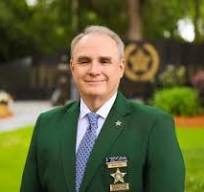 Steve Casey is a nationally recognized expert in law enforcement, public safety, corrections, and association management. He served as Executive Director of the Florida Sheriffs Association for 15 years, after 30 years of law enforcement service at the city, county, and state levels. In 2025, he was elected the 16th Honorary Sheriff in the State of Florida by the Florida Sheriffs’ Association; he is currently CEO of White Hat Advisors, LLC, and has been appointed as a senior advisor to several national associations.
During his distinguished career, Casey served as: Executive Director of the Florida Criminal Justice Executive Institute, Deputy Secretary of the Florida Department of Juvenile Justice, Chief Deputy of the Monroe County Sheriff’s Office, Director of Security for the Florida Lottery, as a Special Agent and Special Agent Supervisor with the Florida Division of Alcoholic Beverages & Tobacco, as a Police Officer for the City of Chipley and as a Deputy Sheriff for the Washington County Sheriff’s Office.
Steve Casey is a Senior Consultant with Public Safety Strategies Group, LLC (PSSG), a national consulting firm providing subject-matter expertise and services to public agencies and private firms across the United States. Steve works with Executive-level leaders from small agencies to Fortune 500 companies, providing PSSG’s clients with a broad portfolio of services: organizational and leadership studies and guidance, staffing, strategic planning, technology leveraging and development, enterprise security, and relationship development.
Director Casey (ret.) has provided ground-breaking leadership through his service in national, state, and local law enforcement organizations: the Florida Violent Crime and Drug Control Council, the Florida Supreme Court Taskforce on Treatment Based Drug Courts, the Florida Criminal Justice and Juvenile Justice Information Council, the Florida Criminal Justice Standards and Training Commission Regional Council, Rotary International and as a Board Member for the Monroe County Salvation Army. He is currently a member of the National Sheriff’s Association, the Florida Chapter of the FBI National Academy, the Tallahassee Committee of 99, and Past Master of Dade Lodge #14, Free and Accepted Masons, and the Scottish Rite of Florida.
Steve Casey earned a master’s degree in management from Troy University; he is a graduate of the FBI National Academy (163rd session), the Harvard University Senior Executive Program for State and Local Government, and the Florida Criminal Justice Executive Institute, Chief Executive Seminar #41. He and his wife, Diane, have four children and three grandchildren. They are members of the Tallahassee Heights Methodist Church and Element 3 Church in Tallahassee.
ERPOs in Practice: A Law Enforcement Panel
Monday, June 8, 2026 | 1:30 PM to 2:30 PM | Room 209
This seminar brings together a panel of Sheriffs and legal experts to bridge the gap between policy and practice in implementing Extreme Risk Protection Order (ERPO) laws. Participants will gain a direct “boots-on-the-ground” perspective on the tactical safety measures, legal due-process requirements, and inter-agency coordination necessary to manage firearm removals effectively.
PRESENTERS: Joshua Horwitz, J.D., Dana Feitler Professor of the Practice in Gun Violence Prevention and Advocacy, Co-Director, Johns Hopkins Bloomberg School of Public Health, Center for Gun Violence Solutions, Deputy Chief Mitch Cunningham (ret.), Chief Law Enforcement Advisor, National Sheriffs Association, Sheriff Michael Adkinson, Jr, Walton County Sheriff’s Office, Sheriff Robert Goldsmith, Tippecanoe County Sheriff’s Office
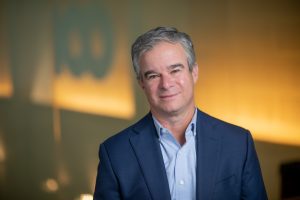 Joshua Horwitz, J.D., is the Dana Feitler Professor of the Practice in Gun Violence Prevention and Advocacy at the Johns Hopkins Bloomberg School of Public Health and the Co-Director of the Johns Hopkins Center for Gun Violence Solutions. He works to reduce gun violence by utilizing public health research and health equity analysis to build advocacy campaigns that meet critical opportunities in the policy development process. With over 30 years of experience, Professor Horwitz is a key leader in firearm policy development and education. Along with a small group of colleagues, Professor Horwitz developed the Extreme Risk Protection Order Policy, which is now law in 21 states and the District of Columbia. As a result, Josh is now the principal investigator of the National ERPO Resource Center at Johns Hopkins, a Department of Justice-funded training and technical assistance hub that supports states in implementing extreme risk protection orders. Professor Horwitz has also developed many policy translation reports, including the newly released Alcohol Misuse and Gun Violence: An Evidence-Based Approach for State Policy, and the original report from the Consortium for Risk-Based Firearm Policy identifying ERPO as a needed policy tool titled, Guns, Public Health, and Mental Illness: An Evidence-Based Approach. He has also testified before numerous state legislatures and the
U.S. Congress. Professor Horwitz is the co-author of Guns, Democracy and the Insurrectionist Idea, published by the University of Michigan Press in 2009. He received his B.A. from the University of Michigan in 1985 and his J.D. from The George Washington University in 1988.
 Deputy Chief Mitch Cunningham (ret.) has been a police officer for 40 years, most recently as Deputy Chief of the Wilmington, North Carolina, Police Department, retiring in 2019 and remaining as an auxiliary officer. Before that, he was a police officer for the Montgomery County Department of Police in Maryland from 1985-2012. There, he started several crime-fighting initiatives, including the first Career Criminal Unit, the first regional auto theft team, and started the regional data sharing system NCR LInX, in the National Capitol Region, which connects hundreds of police agencies, leading to countless arrests and supporting anti-terrorism efforts in the wake of 9-11.
After being selected as Deputy Chief of the Wilmington (North Carolina) Police Department in 2012, he launched several successful efforts to reduce gang violence plaguing the city. He also started the agency’s first Peer Support team, created a college scholarship fundraiser -Send a Cop to College- to assist with the professionalization of its future leaders, and initiated several leadership, crime-fighting, and morale-building efforts. Wilmington, North Carolina, was designated as the city with the worst opioid crisis, so it implemented several initiatives to address this, including being the second program in North Carolina that outfitted WPD officers with naloxone. He also began the LEAD program, a pre-arrest diversion program that brought public safety and public health officials to work together to reduce the impacts of opioids. He was also a founder of the Quick Response Team that ensured those who overdosed received care within 72 hours. He was selected to serve on the NC Attorney General’s Task Force on Opioids.
He is a certified training instructor who worked as a law enforcement training coordinator at Cape Fear Community College and taught at the University of North Carolina at Wilmington and Louisiana State University.
He is currently the Chief Law Enforcement Advisor for the National Sheriffs’ Association. In this role, he provides technical support to clients across the country on a variety of topics and needs. He also serves on the advisory board of PTACC, a police and treatment community consortium. He has written articles and reported on innovations in law enforcement that assist in successful opioid response strategies.
He is also an accreditation SME for IADLEST, the International Association of Directors of Law Enforcement Standards and Training.
He was previously a member of Big Brothers Big Sisters of the National Capitol Region and is currently the Vice Chairman of the Board for Soaring as Eagles, a community outreach nonprofit serving families of Title I schools. He is also a founding member of the Carolina Beach Police Foundation and serves on its board.
 Sheriff Michael A. Adkinson, Jr., is a sixth-generation native of Walton County and a 27-year law enforcement professional. He holds a BA in Criminology from Florida State University and a Master’s in Criminal Justice from St. Leo University.
Sheriff Adkinson was first elected in 2008 and re-elected in 2012, 2016, and 2020, all without opposition.
Sheriff Adkinson resides in Point Washington with his wife, Erin, and two daughters, Annabelle and Ava. His wife owns and operates her own business.
 Sheriff Robert Goldsmith is the sheriff of Tippecanoe County. He began his career in law enforcement in 1997 as a jail deputy for Tippecanoe County. He became a merit deputy for the Clinton County Sheriff’s Office in 1999 and then went back to Tippecanoe County as a merit deputy in 2002. He has worked as a patrol officer, a detective, a sergeant of detectives, and was a lieutenant of detectives when he was elected sheriff in 2018. He has also served on the dive team and crisis negotiations teams.
Early Intervention Reimagined: Standards, Research, and Technology for Proactive Public Safety Risk Management
1:30 PM TO 2:30 PM | ROOM 210 | OFFICER WELLNESS
Early Intervention (EI) systems are most effective when used as proactive, non-disciplinary personnel management tools. Research conducted by the National Policing Institute demonstrates that EI systems are most successful when agencies move beyond complaints and leave usage and incorporate a broader set of pre-disciplinary indicators tied to cumulative stress, exposure, and performance patterns. This session examines how public safety standards and EI research support the use of records management system data to identify exposure to high-impact events—including death investigations, serious injury cases, and juvenile abuse—that can affect long-term officer wellness and performance. Participants will explore standards-based approaches to early identification, review, and intervention.
PRESENTERS: Humberto I. Cardounel, Jr., Senior Director of Training & Technical Assistance, National Policing Institute and Brian Childress, Regional Program Manager, CALEA
 Humberto I. “Hum” Cardounel, Jr., is the Senior Director of Training & Technical Assistance at the National Policing Institute. Prior to joining the National Policing Institute, Humberto served nearly 32 years in law enforcement before retiring as the Chief of Police from the Henrico County (VA) Police Department in 2020. During his law enforcement career, he held many command and executive level positions in: Patrol, Criminal Investigations, Organized Crime, Special Operations & Homeland Security, Internal Affairs, Personnel, Training, and Accreditation. He also served on various local and state committees, to include two Virginia Gubernatorial committee appointments.
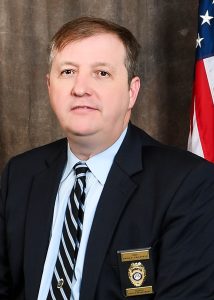 Brian Childress is the Southwest Regional Program Manager (RPM) for the Commission on Accreditation for Law Enforcement Agencies (CALEA). Mr. Childress has retired from several positions to include Chief of Police of the Valdosta (Georgia) Police Department, Deputy Chief of the Perry (Georgia) Police Department, and United States Air Force Security Police. His career spans 38 years where he has held other positions to include Patrol Officer, Commander over Patrol, Investigations, and Support Services.
Mr. Childress is a certified Instructor for the Geogia Peace Officer Standards and Training (POST) Council, he teaches part-time at the Georgia Law Enforcement Command College, and he has served as a CALEA Accreditation Manager, CALEA Site-Based Assessor, and CALEA Compliance Service Member (CSM). Mr. Childress spearheaded the CALEA Accreditation Programs for both Perry and Valdosta Police Departments and led the development of the Valdosta/Lowndes Regional Crime Laboratory, which became the first locally operated laboratory in Georgia to achieve lab accreditation through the ANSI National Accreditation Board (ANAB). Mr. Childress has a Bachelor of Arts in Criminal Justice, a Master of Public Administration, and a graduate of the Federal Bureau of Investigations (FBI) National Academy (NA), Session 235.